
Agricultural Research

Field studies on crop yield, food safety, post-harvest disinfection, shelf-life, and pathogen control using JC 9465 reactive oxygen species technology.

Approved, certified & independently validated

UC DavisUniversity of WashingtonSpecial Pathogen LaboratoryMontana State UniversitySawtooth Ag ResearchGreenAgri SolutionsSouthern California EdisonGoleta Water District

Highlights

Proven results in the field and packhouse.

+49%Vineyard yield (foliar)
50%Less sour rot
6-logPathogen kill in <10 sec
99.99%Bacteria & viruses inactivated
Vineyard field study

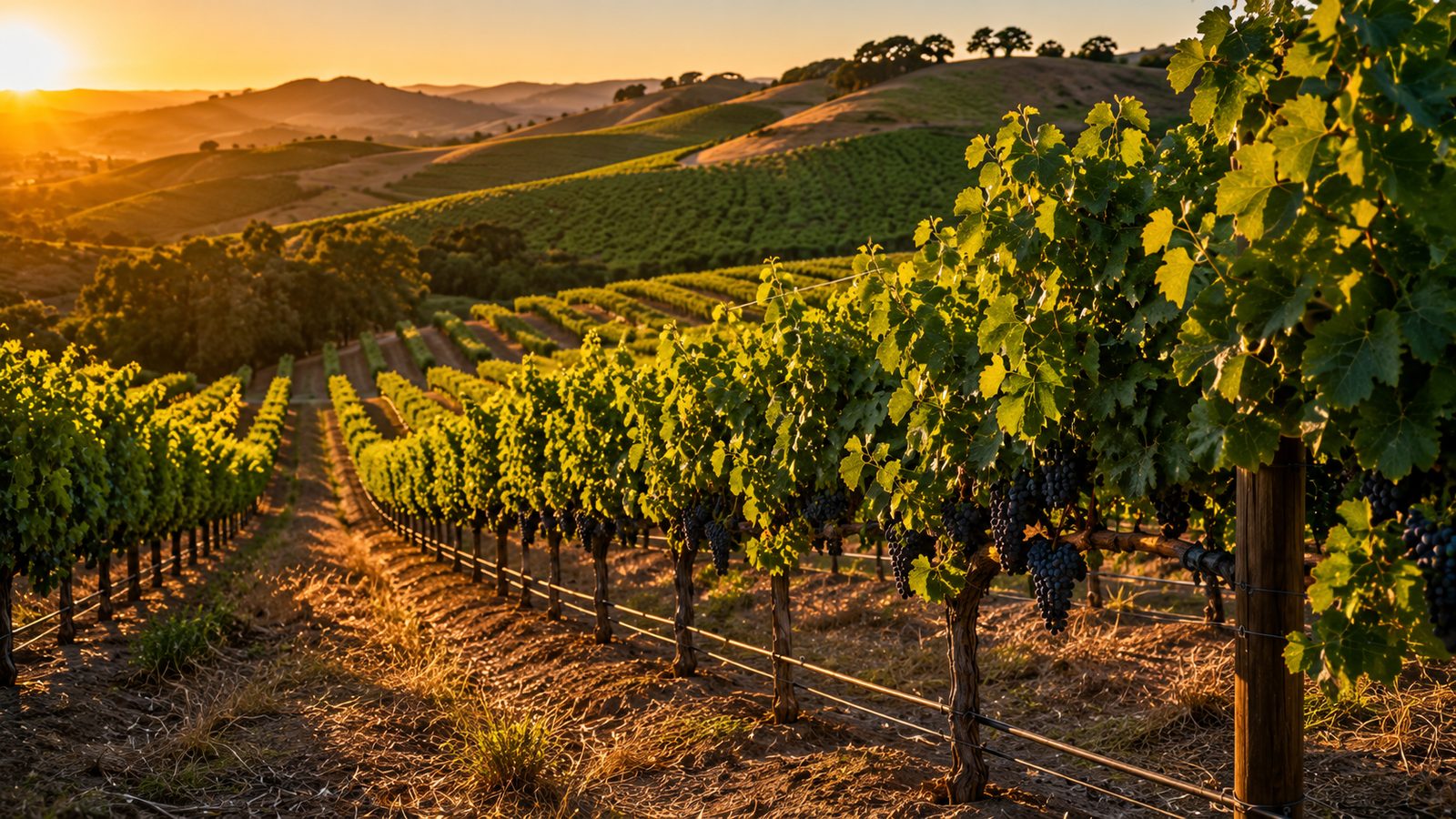
Field study — wine grapes

+49% yield in a mature French Colombard vineyard.

Sawtooth Ag Research (Steven Deitz) ran a 2023 field study on a mature six-year-old French Colombard vineyard in Selma, California. JC 9465 was applied four times — April 26, May 18, June 16 and July 14 — via both soil irrigation (78 mg/L) and foliar spray (390 mg/L).

  • Harvestable yield up 49% on the foliar treatment.
  • Sour rot cut by 50%.
  • Clusters per vine rose from 60 (control) to 73 (foliar).
  • Increased xylem and phloem flow through the vine.

Vineyard results

Control vs. treated (2023, Selma CA).

Sawtooth Ag Research field study, mature French Colombard. Four applications: Apr 26, May 18, Jun 16, Jul 14.
MeasureControlTreated (foliar)
Clusters per vine6073
Harvestable yieldBaseline+49%
Sour rotBaseline−50%
Foliar dose390 mg/L
Soil-irrigation dose78 mg/L
Citrus greening / HLB treatment

Citrus greening (HLB)

Bringing diseased citrus back into production.

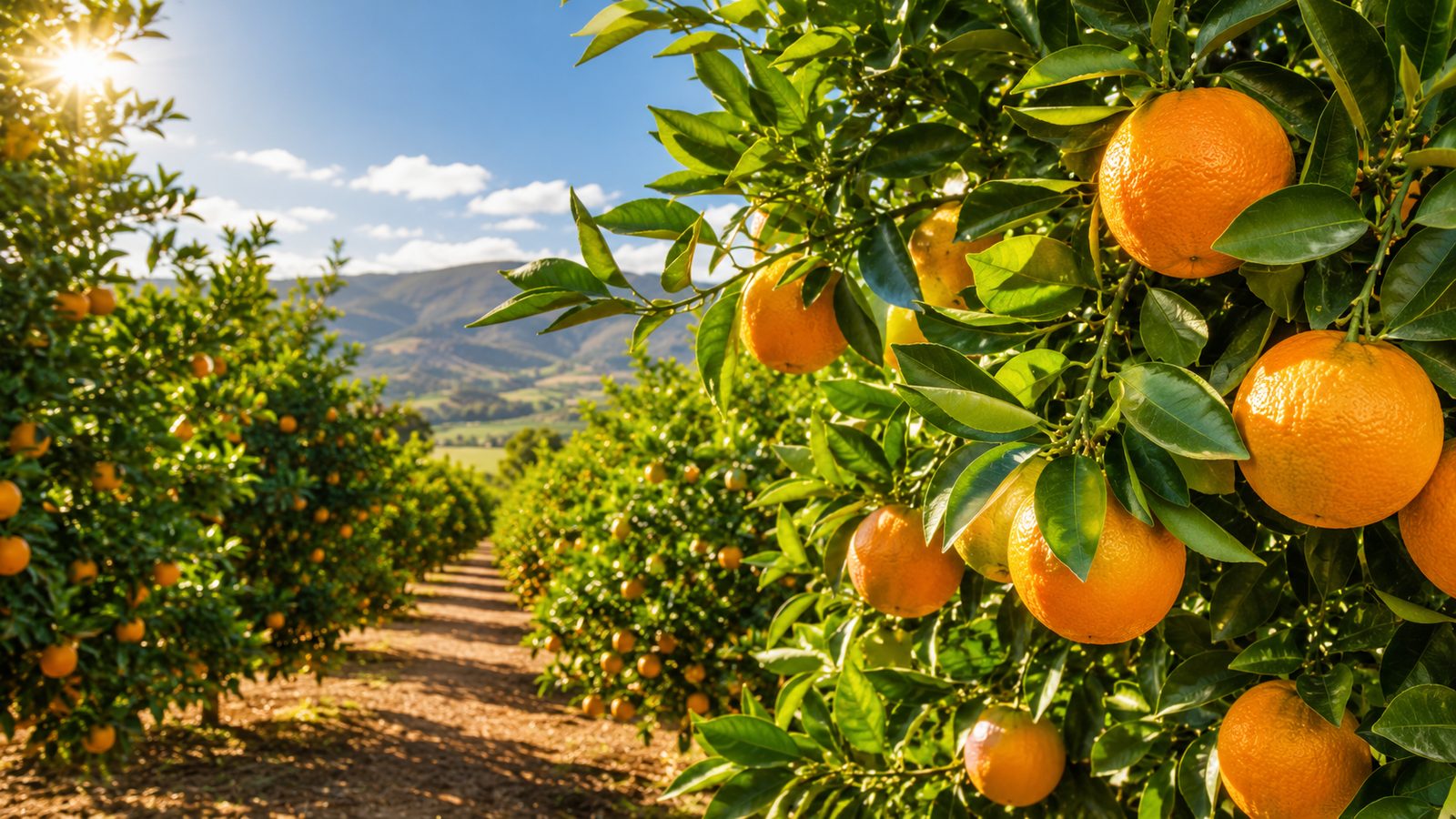
Since 2019, huanglongbing (citrus greening) has destroyed more than 75% of Florida citrus — roughly 75% of oranges and 85% of grapefruit. Working with GreenAgri Solutions LLC of Springhill, Florida, Jenfitch applied a 2% JC 9465 foliar spray plus a light soil drench early each morning, every two weeks over six weeks (three applications) at an ORP above +700 mV.

  • A single treated tree produced a healthy new flush within a week.
  • Scaled to 20 trees; after 60 days all developed marketable fruit.
  • Now in its fourth year across two acres (one control, one treated).
  • Effective against 99.99% of bacteria and viruses.

Emerging plant-disease work

Xylella in olives and Bakanae in rice.

Xylella fastidiosa — European olives

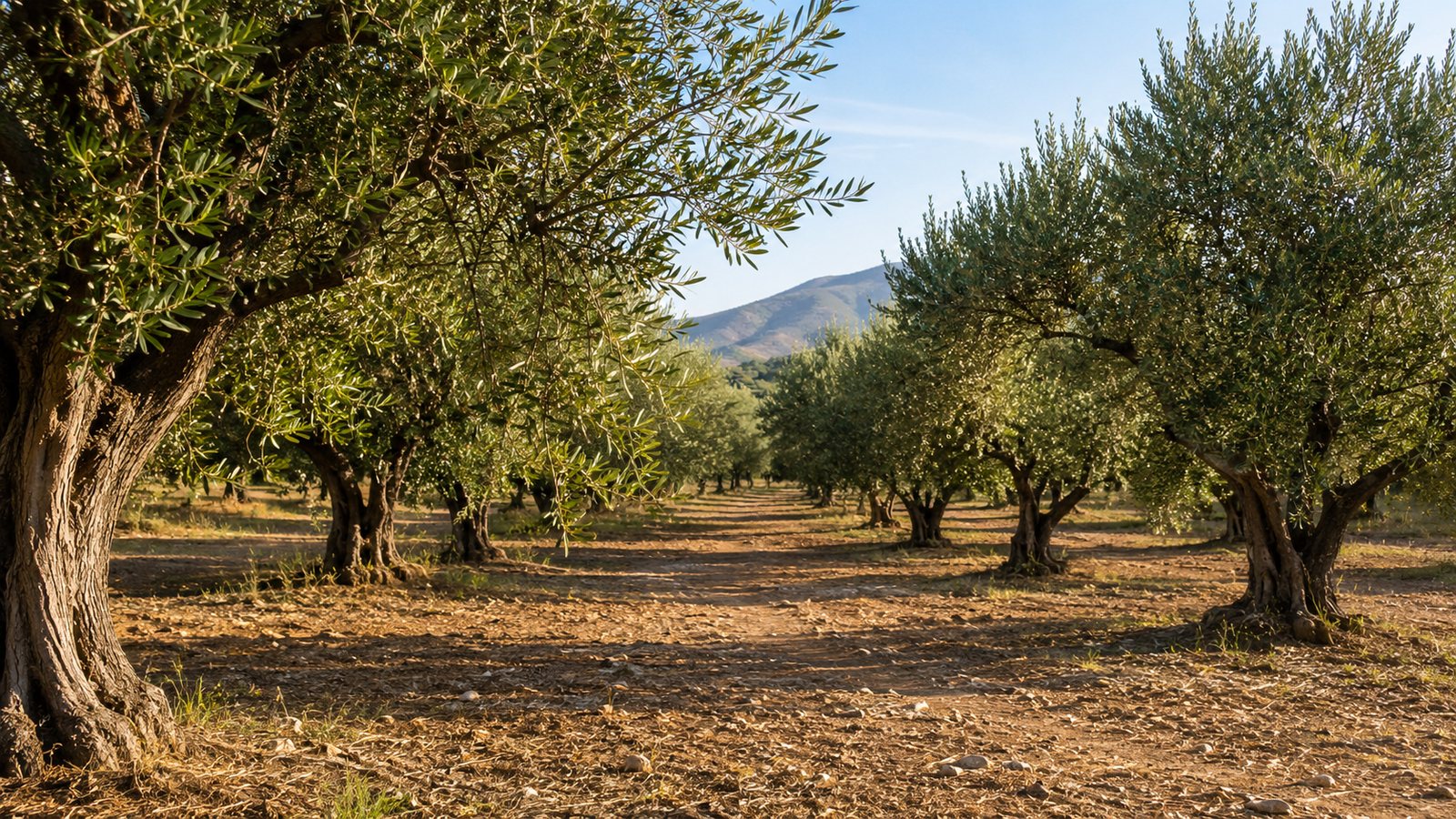
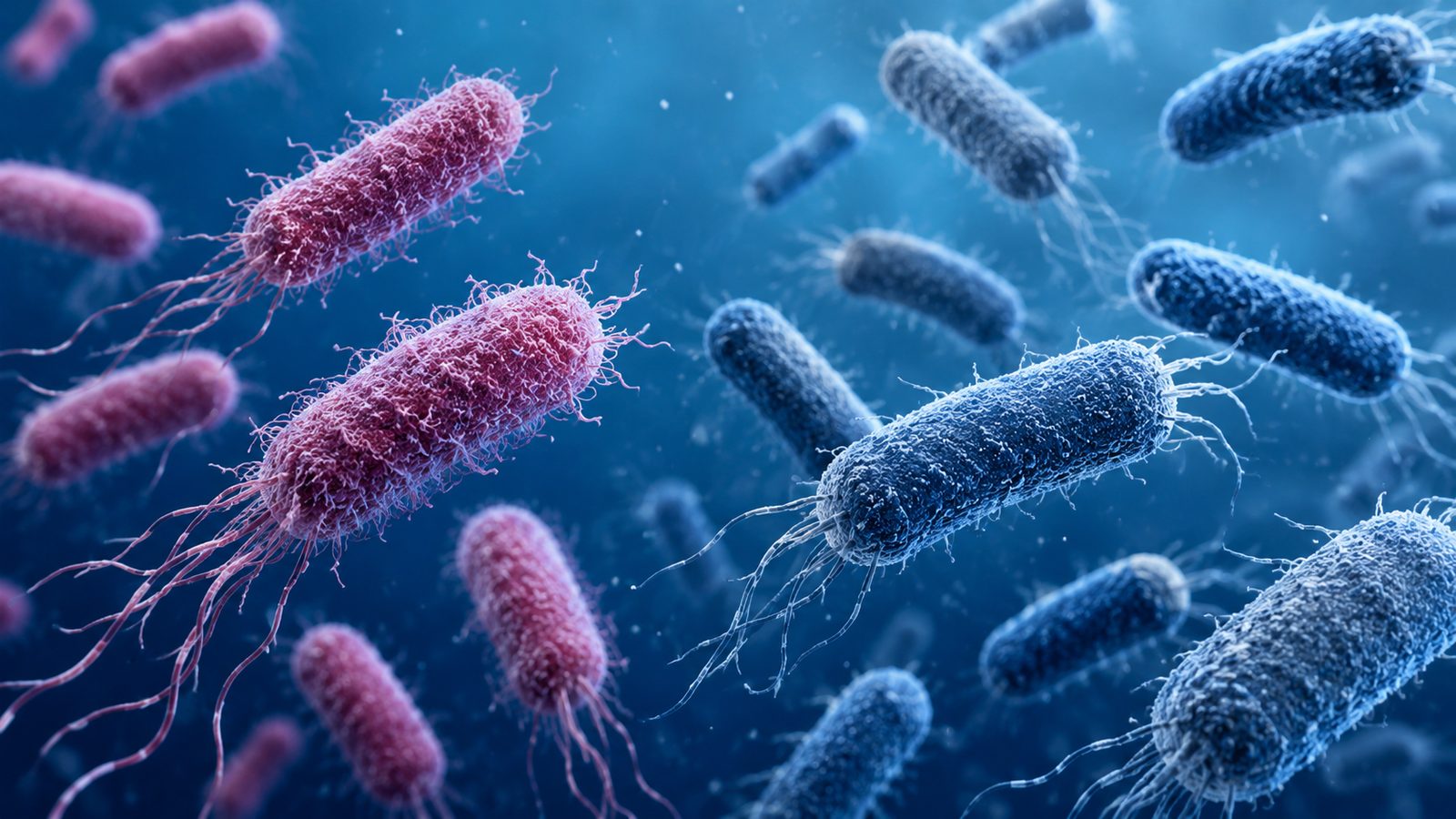
Xylella clogs olive xylem by building a protective biofilm. The hydroxyl radicals generated by JC 9465 break down the biofilm's EPS matrix, then oxidize the bacterial DNA. Results have been positive and PCR-based trials are expanding.
Bakanae — rice (SE Asia)

Bakanae disease (Fusarium fujikuroi) typically causes around 30% yield loss in Southeast Asian rice. In Jenfitch trials, loss was reduced to below 10%.

Food safety

A 6-log kill in under 10 seconds.

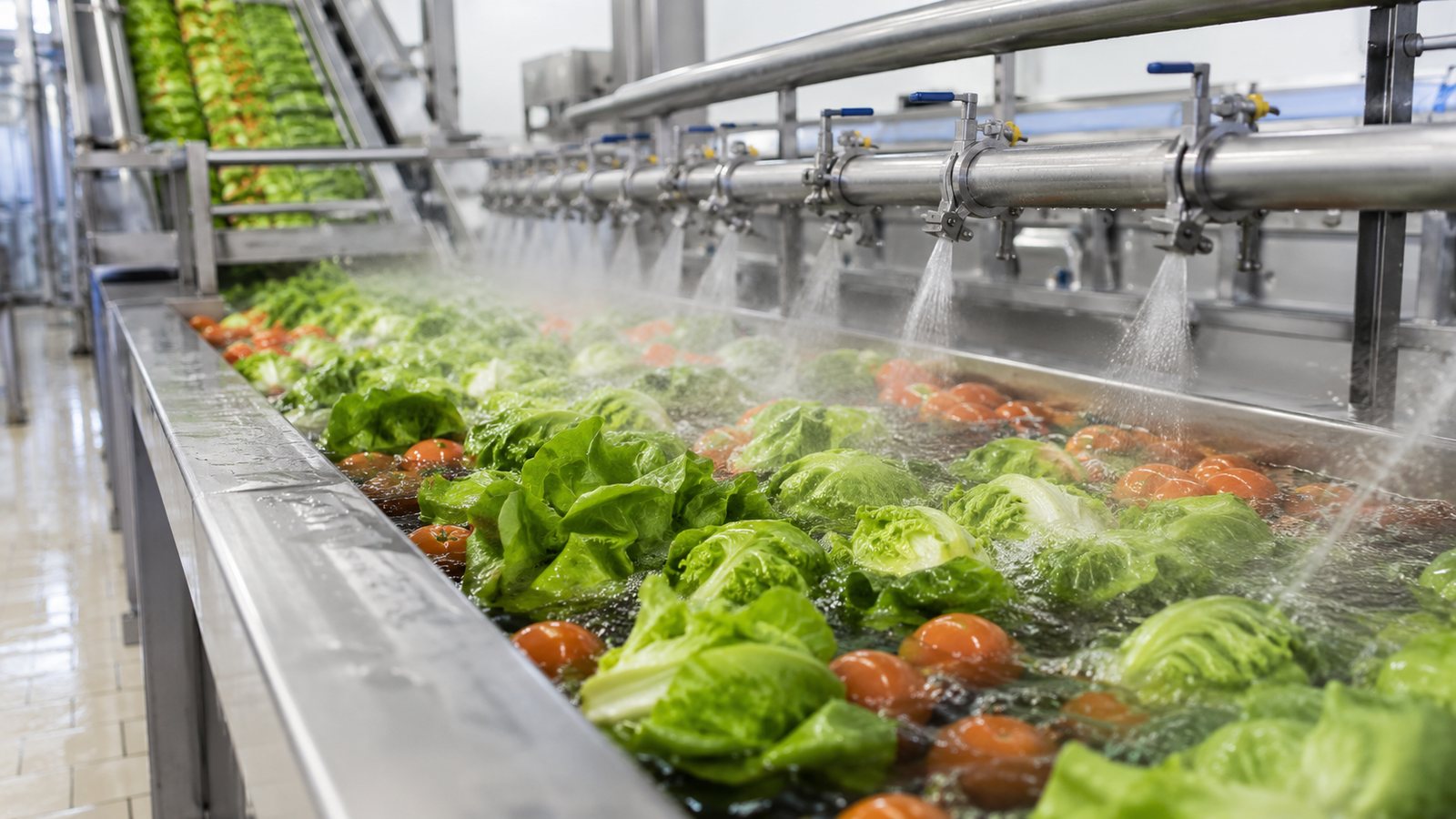
In UC Davis Post-Harvest testing, JC 9465 delivered a 6-log CFU reduction in under 10 seconds against E. coli, Listeria and Salmonella when held at +700 mV ORP. University of Washington work showed it eliminates cross-contamination during apple harvesting — a critical control point for post-harvest wash and hydro-cooler operations.

Across trials, crop-yield gains have ranged from 30% to 60%. The technology is also in use beyond row crops: aquaculture programs in Norway and Louisiana, and Canadian dairy hoof-disease studies. Because it works by oxidation rather than a persistent chemical residue, it extends shelf life without changing taste.

i

Disinfection barrier

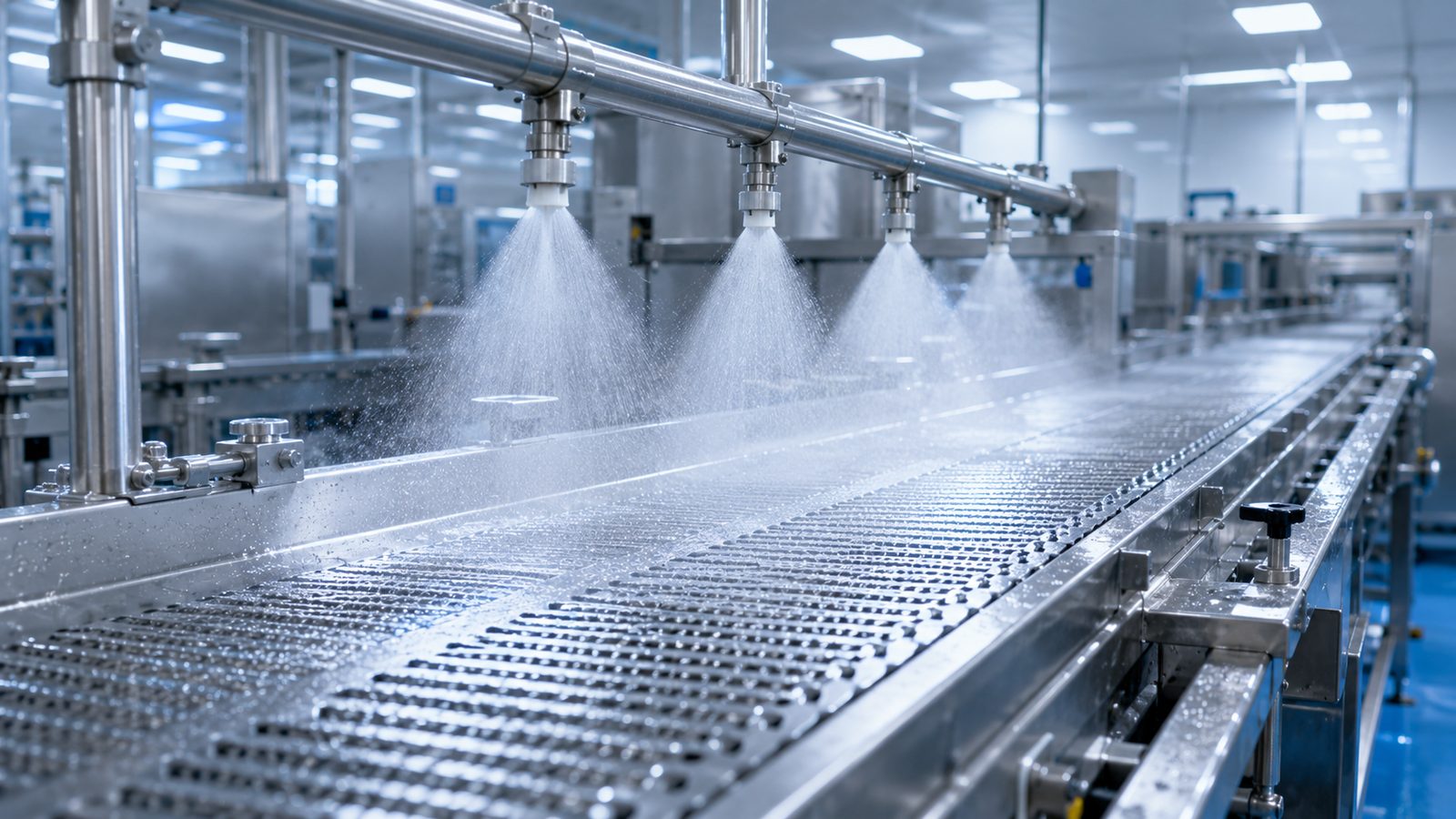
Held between +650 mV and +750 mV, JC 9465 creates a food-safety disinfection barrier for field harvesting, wash lines, hydro-coolers and ice — inactivating spoilage organisms as ROS-treated ice melts.

Questions

Common questions — agriculture

Is JC 9465 approved for organic use?

Yes. JC 9465 is EPA FIFRA registered (2020) and USDA NOP organic certified (2021, 7 CFR Part 205), so it can be used in certified-organic growing and post-harvest operations.

How much did the vineyard study actually improve yield?

In the 2023 Sawtooth Ag Research study on mature French Colombard, the foliar treatment increased harvestable yield by 49%, raised clusters per vine from 60 to 73, and cut sour rot by 50%.

Does treatment leave a residue or change flavor?

No. The chemistry works by generating reactive oxygen species that oxidize on contact and then revert to mild mineral-oxide by-products below FDA limits. It extends shelf life without altering taste.

What pathogens does it control post-harvest?

At +700 mV it produced a 6-log reduction in under 10 seconds against E. coli, Listeria and Salmonella in UC Davis testing, and eliminated cross-contamination in University of Washington apple-harvest work.

Applications

Where JC 9465 helps growers and processors.

Studies & Documents

Click any study to open the full document.

Let's talk water.

Need reliable treatment for an industrial facility, municipality, agricultural operation, or food process? We can help with quotes, safety data sheets, technical questions, and project scoping.

Contact Us