
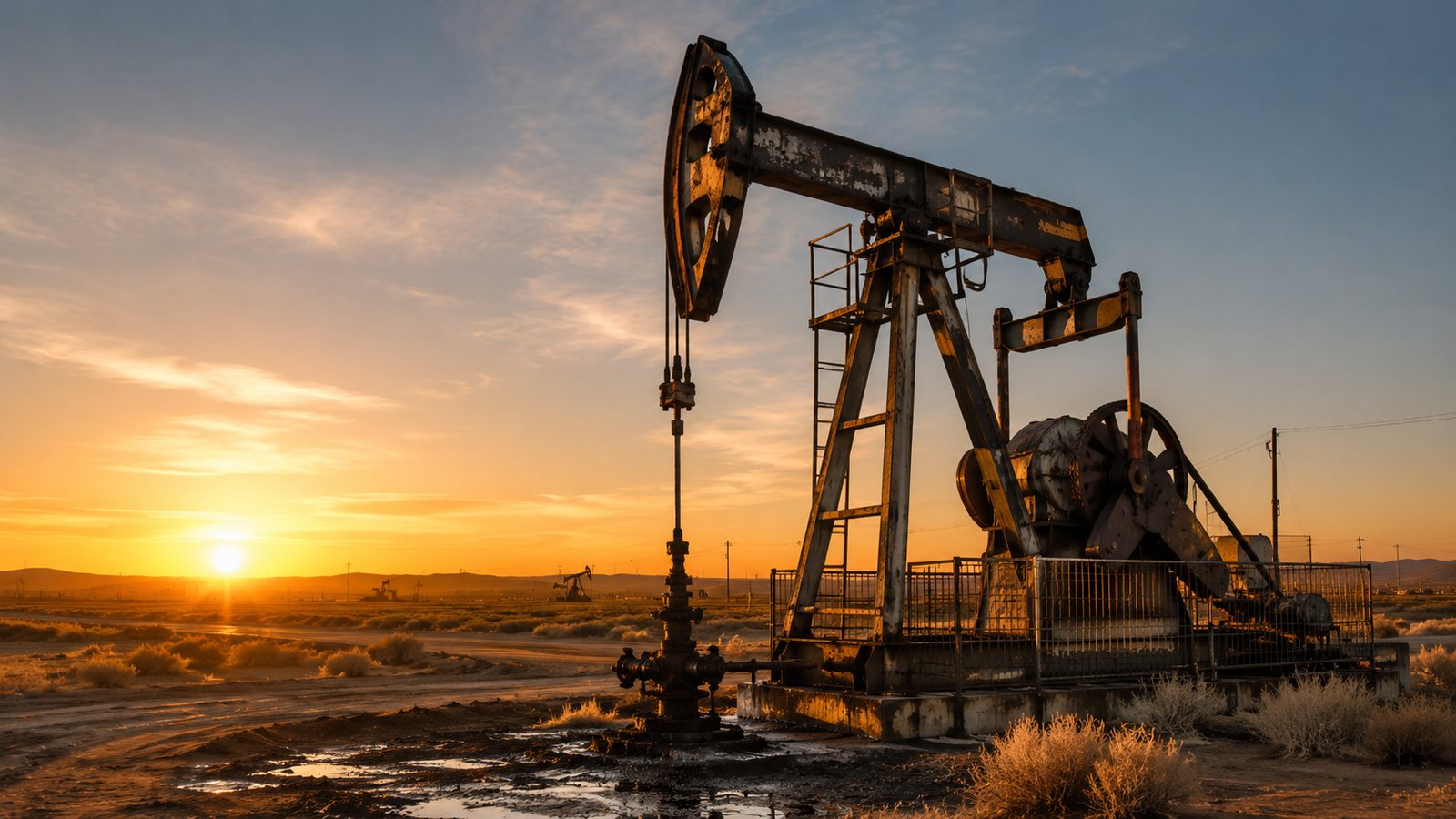
Stripper-Well Output Raised from 1–2 to 15 Barrels/Day
A February 2020 four-well field study in Pecos County, Texas, using JC 9450 ROS chemistry dosed into the well casing.
The Problem
The Challenge
A stripper well is a marginal oil or gas well averaging 15 barrels per day or less — and typically producing just 1 to 2. The National Stripper Well Association counts more than 770,000 of them in the U.S., accounting for 11.3% of domestic oil and 8.3% of gas. Yet 50 to 70% of the oil beneath them is considered unrecoverable due to pressure, permeability, and paraffin problems.
These wells are also plagued by H₂S, iron sulfide, biofilm, and bacteria that foul the formation and the produced water — and conventional stimulation is slow and expensive.
The Program
The Jenfitch Solution
JC 9450 releases reactive oxygen species that react with H₂S, iron sulfide, biofilm, and bacteria; it also acts as an emulsion breaker and micro-flocculant for produced water and destabilizes paraffin and asphaltene. In the Pecos County study it was dosed directly into the well casing.
- 5 gallons/day of JC 9450 into the casing across a four-well field study (February 2020).
- Output climbed from 1–2 bbl/day to 15 bbl/day — roughly 15 barrels produced per 12 hours — for less than $100/day.
- H₂S eliminated in both the gas and liquid phases; produced water showed no detectable iron, bacteria, or H₂S.
- In a June 2016 side-by-side stimulation, the treated well was cleaned up in 4 hours versus the 4–7 days a conventional job takes.
The Data
The Results
| Metric | Well 10 — JC 9450 | Well 12 — Control |
|---|---|---|
| Estimated output (bbl/day) | 33.5 | 19.5 |
| Output gain | +72% | — |
| Treatment time | 4 hours | 4–7 days |
| Material cost | $9,600 | $11,100 |
| Bottle test (bacteria, CFU) | <1,000 | <10,000 |
More oil, faster, for less
The JC 9450 well produced an estimated 33.5 bbl/day against the control's 19.5 — a 72% gain — and did it in 4 hours instead of 4–7 days, at lower material cost and with cleaner produced water.
Documentation
Read the full study
Related: Oil & Gas research · Mineral Oxychloride Technology
Frequently Asked Questions
About this stripper-well study.
What is a stripper well?
A stripper well is a marginal oil or gas well averaging 15 barrels per day or less, typically producing just 1 to 2. The U.S. has more than 770,000 of them, accounting for 11.3% of domestic oil and 8.3% of gas.
How was JC 9450 applied and what did it cost?
In the Pecos County field study, 5 gallons/day of JC 9450 was dosed into the well casing. Output rose from 1–2 to 15 bbl/day for less than $100/day in treatment cost.
How does it compare to conventional stimulation?
In a side-by-side, the JC 9450 well produced an estimated 33.5 bbl/day versus 19.5 for the control (+72%), was treated in 4 hours versus 4–7 days, and cost $9,600 in materials versus $11,100.
What happens to H₂S and produced water?
H₂S was eliminated in both gas and liquid phases, and the produced water showed no detectable iron, bacteria, or H₂S — JC 9450 also breaks emulsions and destabilizes paraffin and asphaltene.