


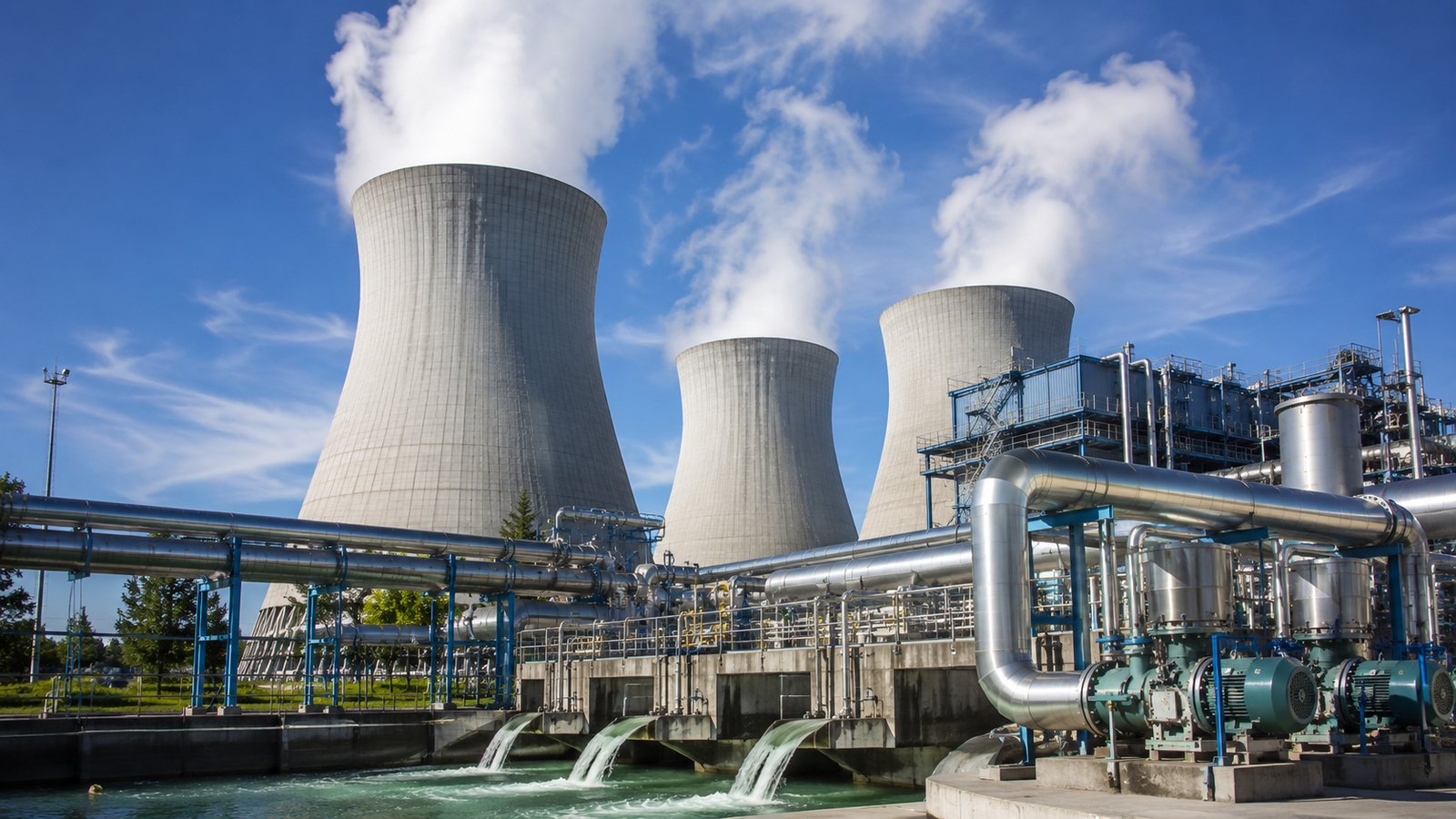
Cooling Towers & Scrubbers Research

Biofilm and MIC control, wet scrubber applications, Legionella performance, and zebra mussel elimination.

Approved, certified & independently validated

UC DavisUniversity of WashingtonSpecial Pathogen LaboratoryMontana State UniversitySawtooth Ag ResearchGreenAgri SolutionsSouthern California EdisonGoleta Water District
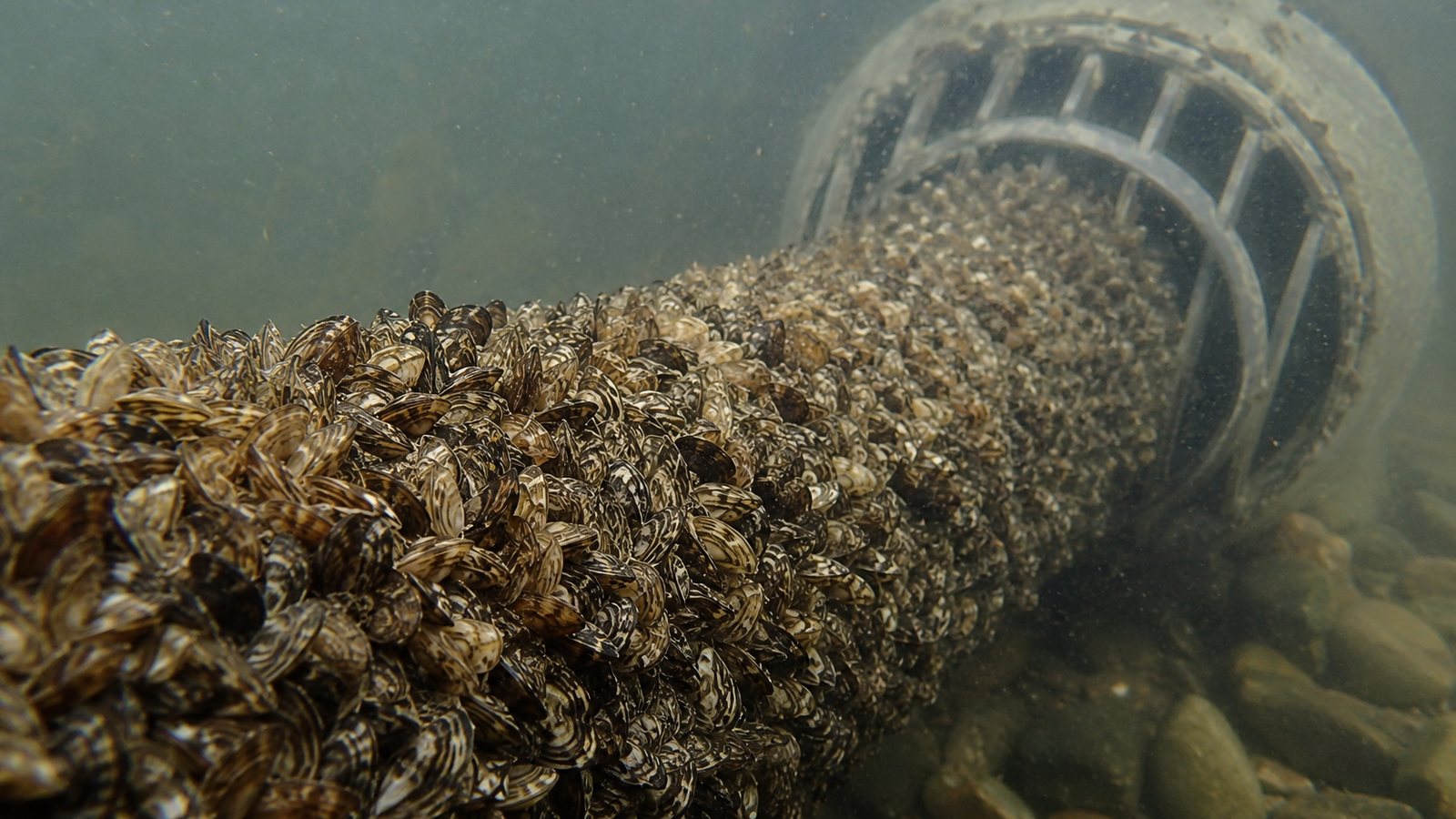
Zebra and quagga mussels clogging a water intake

Why it matters

Cleaner heat transfer, safer air handling.

Bacteria and organic deposits can lower heat-transfer rates up to 40%. JC 9465 helps prevent biofouling and scale, control biofilm and MIC, address Legionella in under 10 seconds, and eliminate zebra mussels.

The problem

Biofilm, scale and corrosion in one system.

300%Biofilm worse than CaCO₃ scale
~10%Efficiency loss at 0.001 fouling
3,125×More germicidal than chlorine
20%+Electricity savings (per SCE)

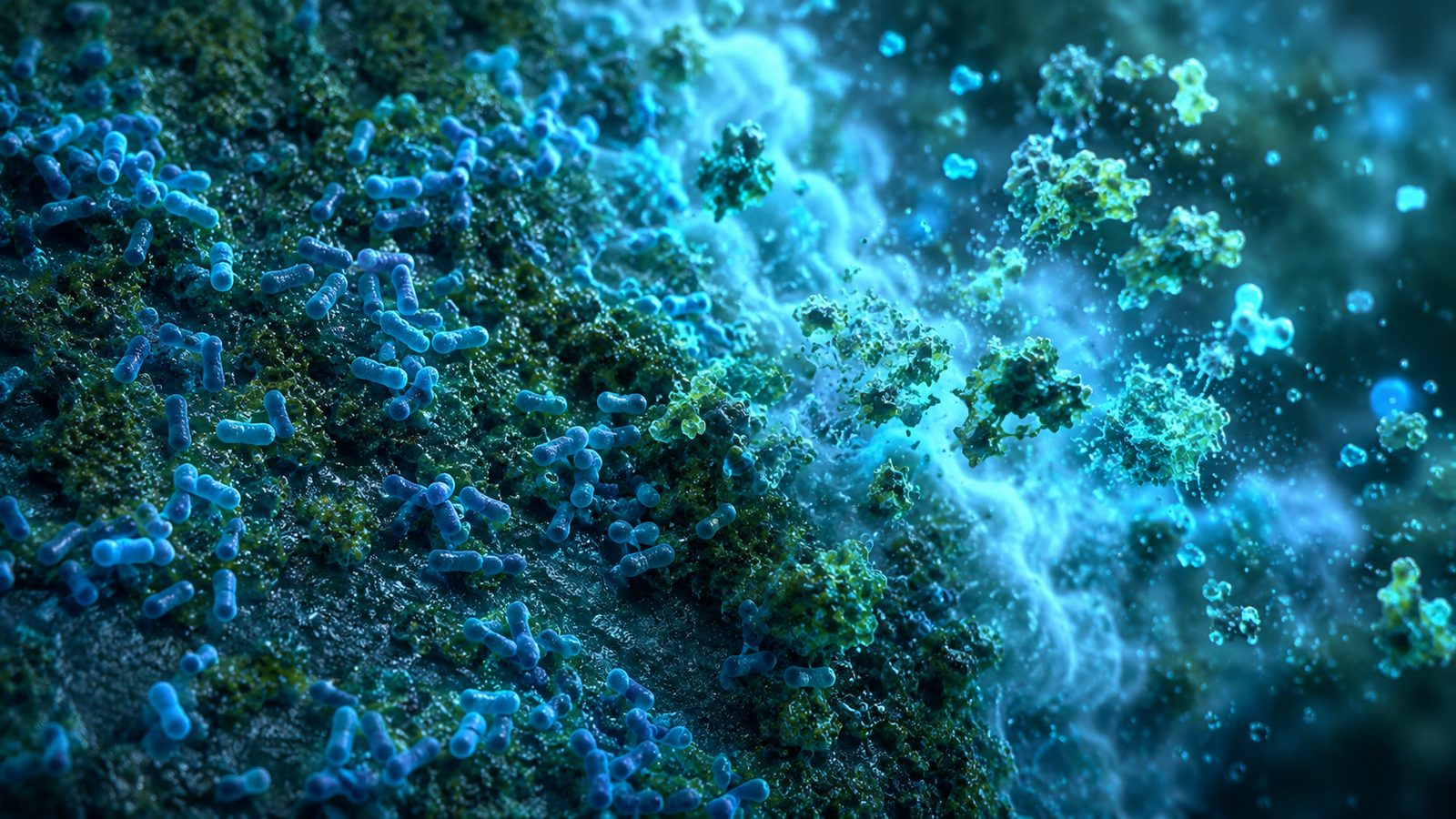
On a heat-transfer surface, biofilm is roughly 300% worse than calcium-carbonate scale as an insulator. ASHRAE data shows a fouling factor of just 0.001 can cut cooling efficiency by about 10%. Beyond lost heat transfer, biofilm shields anaerobic bacteria against the water treatment program, driving pitting and microbially influenced corrosion (MIC) of the metal underneath.

Biofilm control in cooling systems

The program

One chemical, controlled by ORP.

Instead of a stack of separate biocides, dispersants and scale inhibitors, the JC 9450 / JC 9465 program uses a single mineral-oxychloride chemistry controlled by oxidation-reduction potential (ORP). It controls biofilm, algae, scale and corrosion at once while improving heat transfer and lowering total cost.

  • 3,125× more germicidal than chlorine.
  • Microbial kill in under 10 seconds at target ORP.
  • 20%+ electricity savings cited by Southern California Edison (SCE).
  • Reduces Legionella risk by eliminating the biofilm it hides in.

Efficacy vs. ORP

Higher ORP, fewer surviving organisms.

ORP-to-CFU benchmark. Holding higher ORP drives microbial counts toward zero.
ORP (mV)Surviving CFU / 100 mLStatus
+200300Poor control
+30036Partial
+4003Improving
+6000Disinfection
+70006-log Legionella in <10 sec
+8000Sterilization
Legionella control in cooling towers

Legionella

Attacking Legionella where it actually lives.

Legionella thrives at 20–50°C (optimum 37°C) — the exact range of a warm cooling loop. Around 90% of Legionella lives inside biofilm (per Montana State University's Center for Biofilm Engineering), where it is more resistant and can harbor protective amoebae. A biocide that cannot break biofilm cannot reliably reach it.

  • Special Pathogen Laboratory (PA): holding ORP above +700 mV produced a 6-log Legionella reduction in under 10 seconds.
  • Eliminates legionellosis risk in most systems within four hours.
  • Works by oxidizing the EPS biofilm first, then the organisms inside it.

Also controlled

Mussels and wet scrubbers.

Zebra & quagga mussels

JC 9465 delivers ozone-class oxidation but, unlike ozone, leaves a residual in the water. That residual carries control downstream of the injection point — where dissipating ozone cannot — to eliminate invasive zebra and quagga mussels in intake and cooling systems.

Wet scrubbers & H₂S

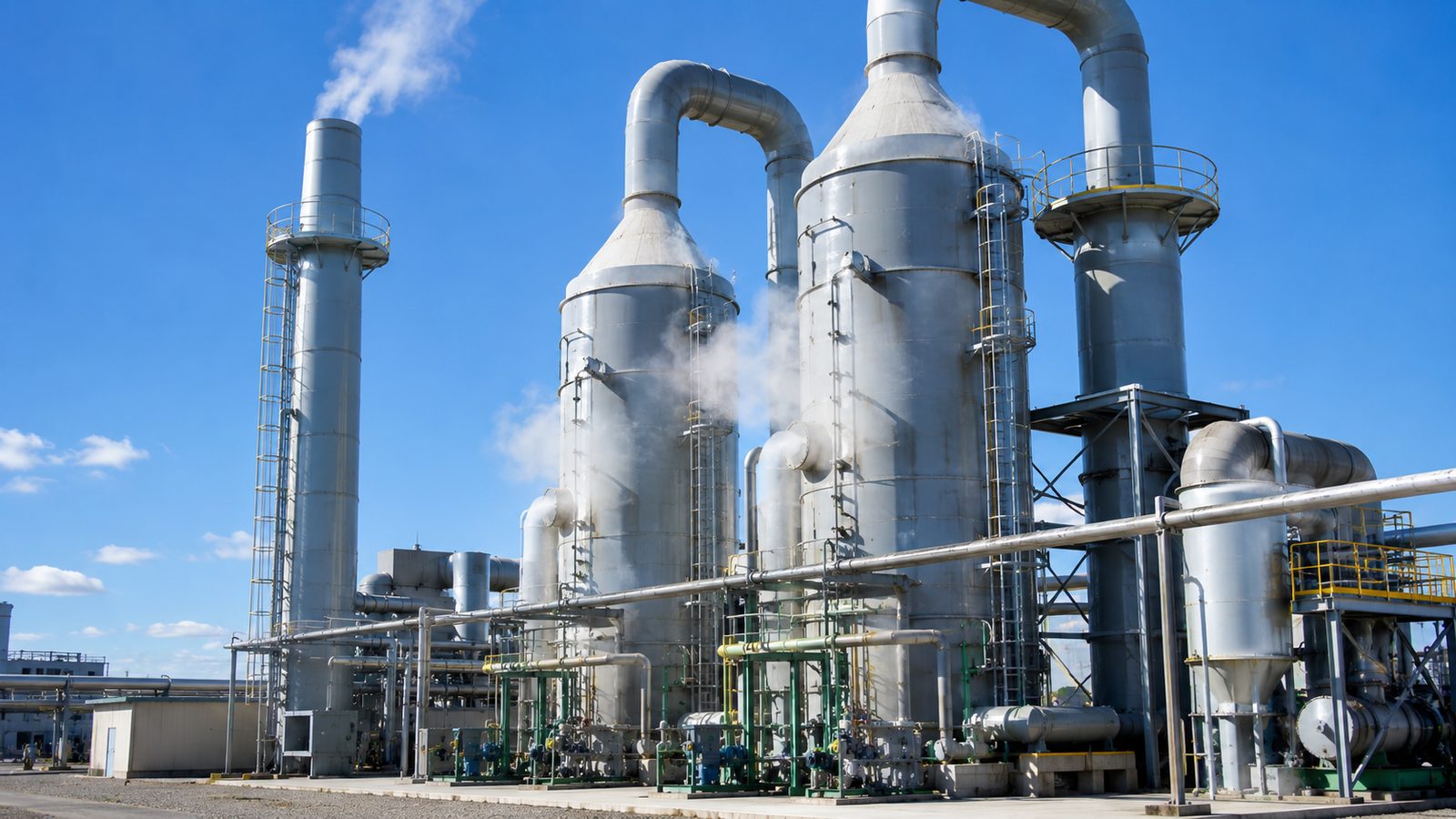
The same oxidative chemistry eliminates hydrogen sulfide in wet scrubbers, shifting ORP from reducing to oxidizing and converting H₂S to inert sulfates. See the Oil & Gas research page for the full H₂S wet-scrubber study.

i

Residual vs. gas

Ozone must be generated on-site and dissipates within seconds of leaving the contactor. Mineral-oxychloride ROS delivers comparable oxidation potential with a measurable residual you can control by ORP — without dissolving a gas into the water.

Questions

Common questions — cooling & scrubbers

Why does biofilm matter more than scale?

On a heat-transfer surface, biofilm insulates about 300% worse than calcium-carbonate scale, and even a 0.001 fouling factor can cut efficiency roughly 10% (ASHRAE). Biofilm also shields anaerobic bacteria, driving pitting and MIC.

How fast does it control Legionella?

Holding ORP above +700 mV produced a 6-log Legionella reduction in under 10 seconds in Special Pathogen Laboratory testing, and eliminates legionellosis risk in most systems within four hours — because it breaks the biofilm where ~90% of Legionella hides.

Can one product replace several cooling-water chemicals?

Yes. The single mineral-oxychloride chemistry, controlled by ORP, addresses biofilm, algae, scale and corrosion together — while cutting electricity use 20%+ (per SCE) by keeping heat-transfer surfaces clean.

How is this different from ozone for mussel control?

It provides ozone-class oxidation but leaves a residual, so control continues downstream of the injection point where ozone would have already dissipated.

Documents

Brochures, studies & labels

Let's talk water.

Need reliable treatment for an industrial facility, municipality, agricultural operation, or food process? We can help with quotes, safety data sheets, technical questions, and project scoping.

Contact Us