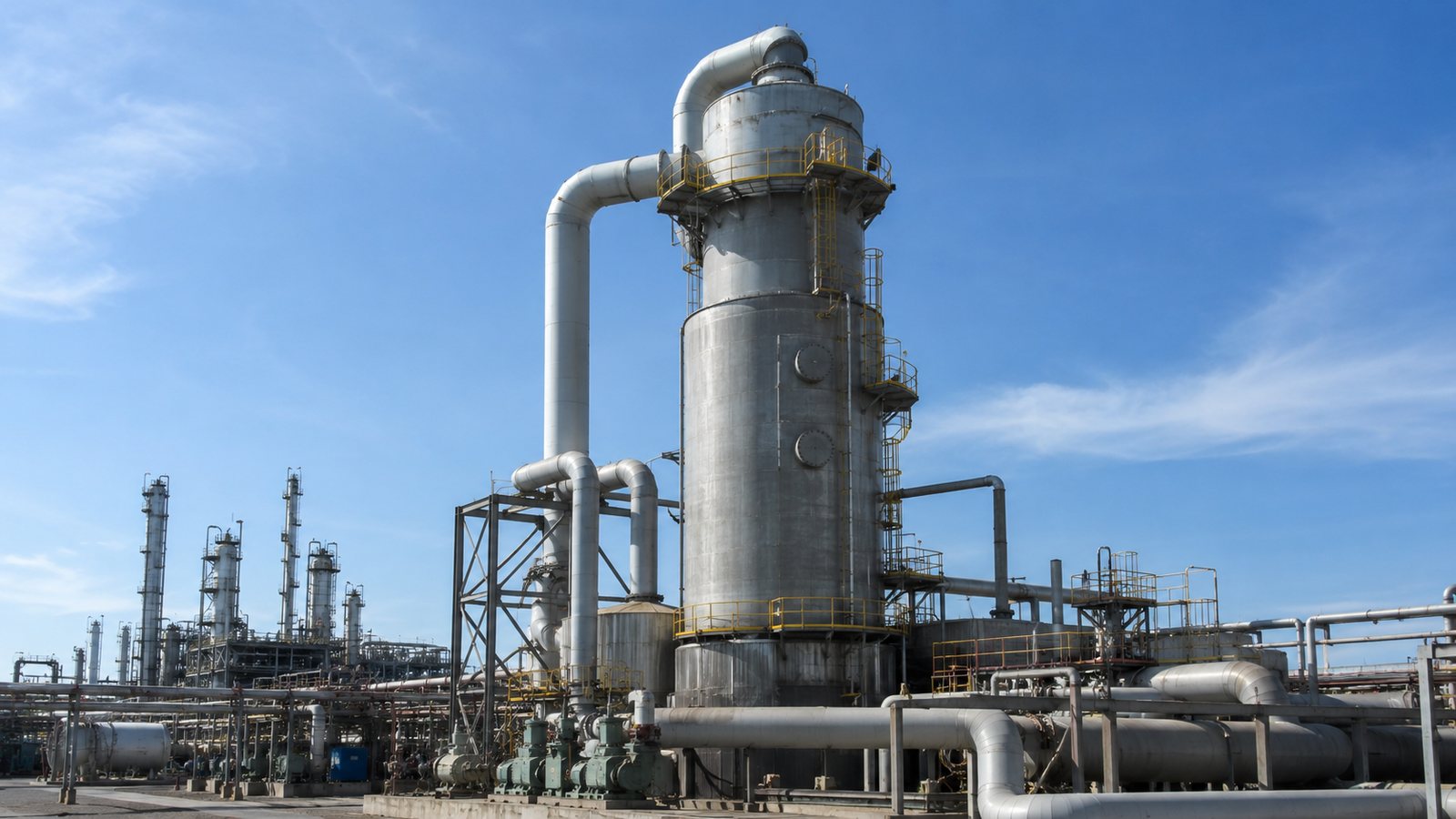
Wet Scrubbers
Hydrogen sulfide and odor in wet-scrubber loops that conventional chemistry struggles to knock down cleanly.
Learn more
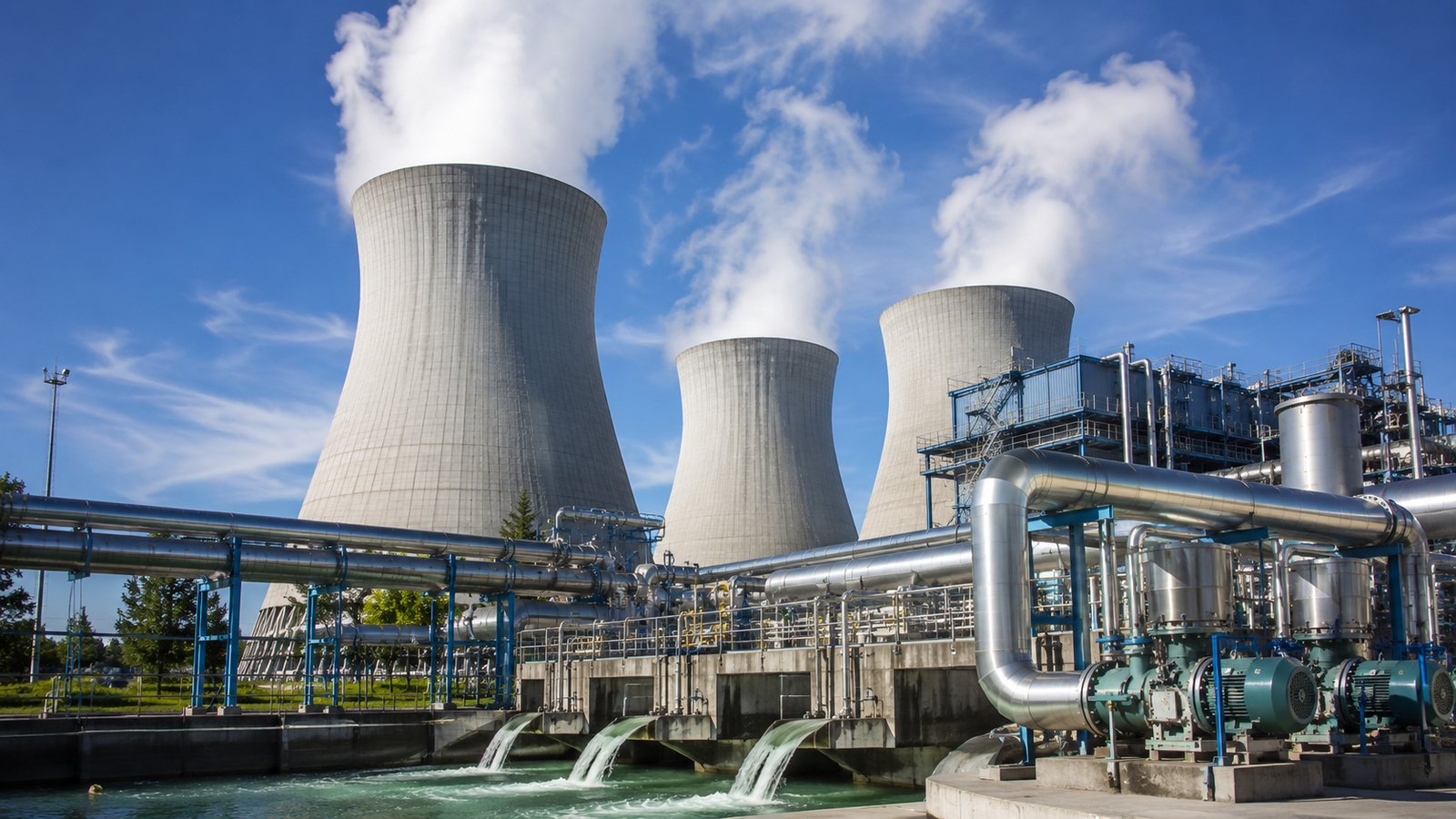
One ORP-controlled chemical replaces the biocide-plus-dispersant stack — controlling biofilm, scale, corrosion, and Legionella at once.
Challenges We Solve
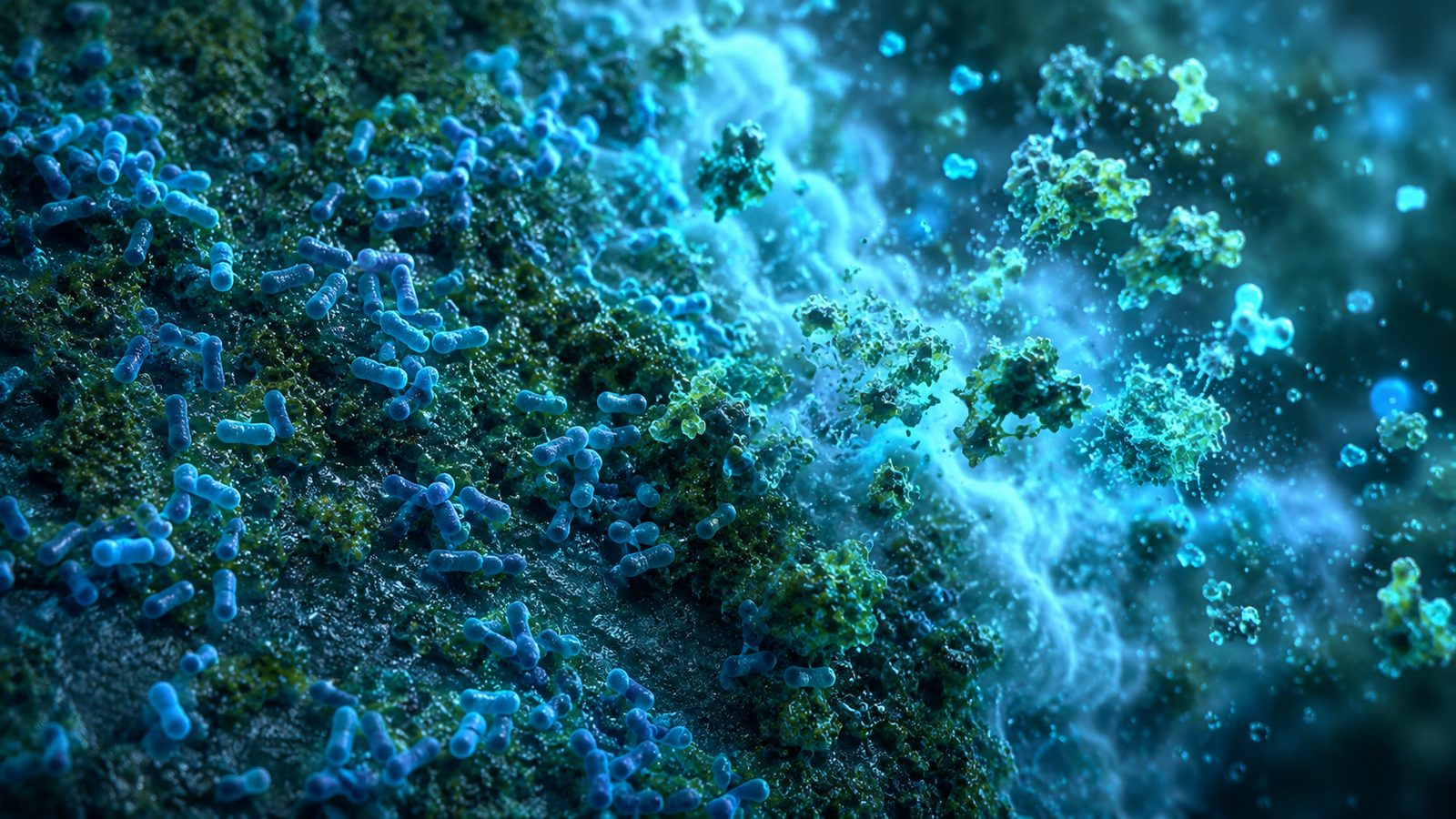
Biofilm on a heat-transfer surface is 300% worse than calcium-carbonate scale — ASHRAE notes a fouling factor of just 0.001 can cut efficiency around 10%. Biofilm also shields anaerobic bacteria, driving pitting and microbially-influenced corrosion.
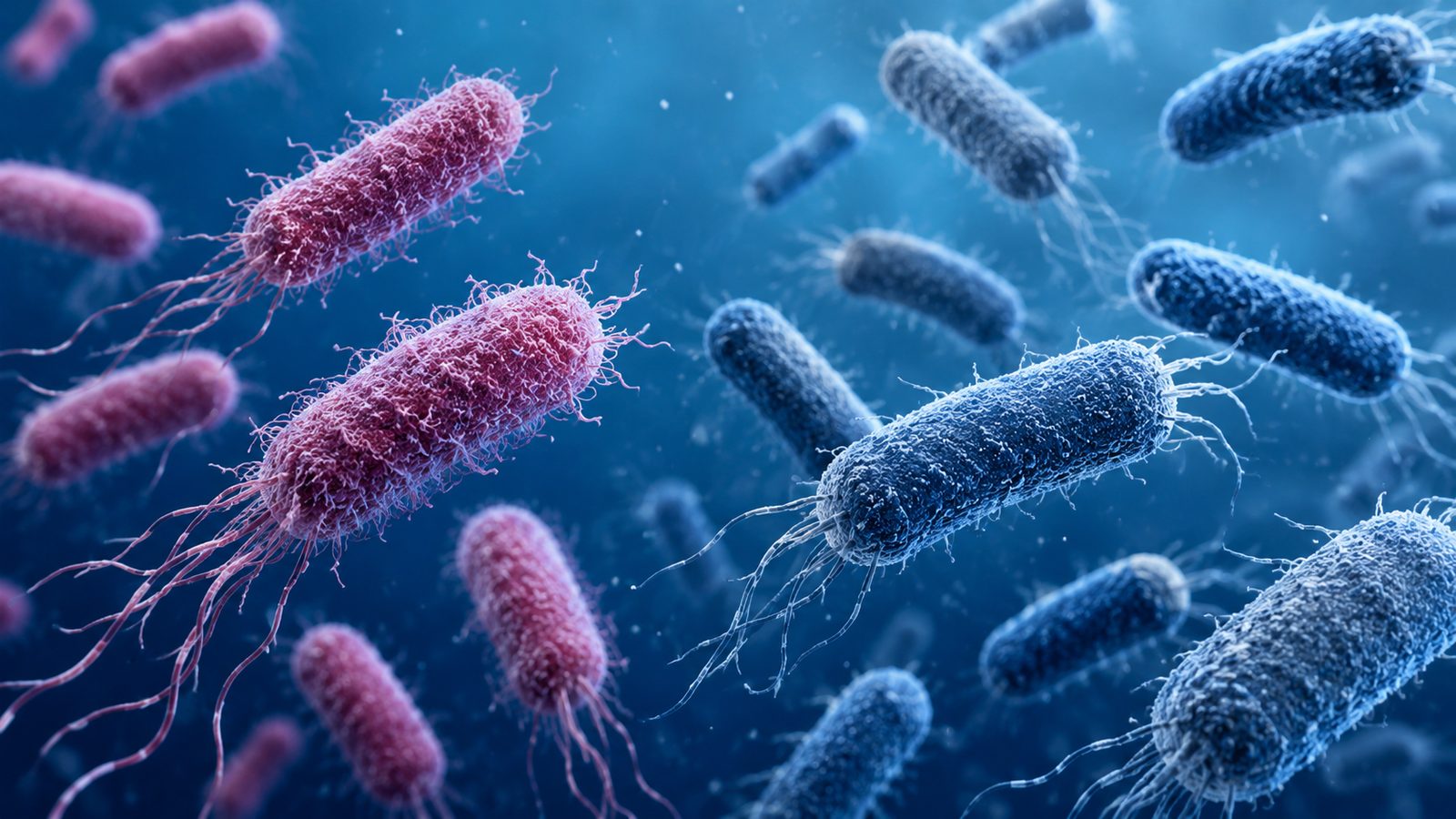
Legionella prefers 20–50°C (optimum 37°C), and roughly 90% of it lives inside biofilm, where it grows more resistant and harbors amoebae. Control the biofilm and you control the risk.
Hydrogen sulfide and odor in wet-scrubber loops that conventional chemistry struggles to knock down cleanly.
Learn more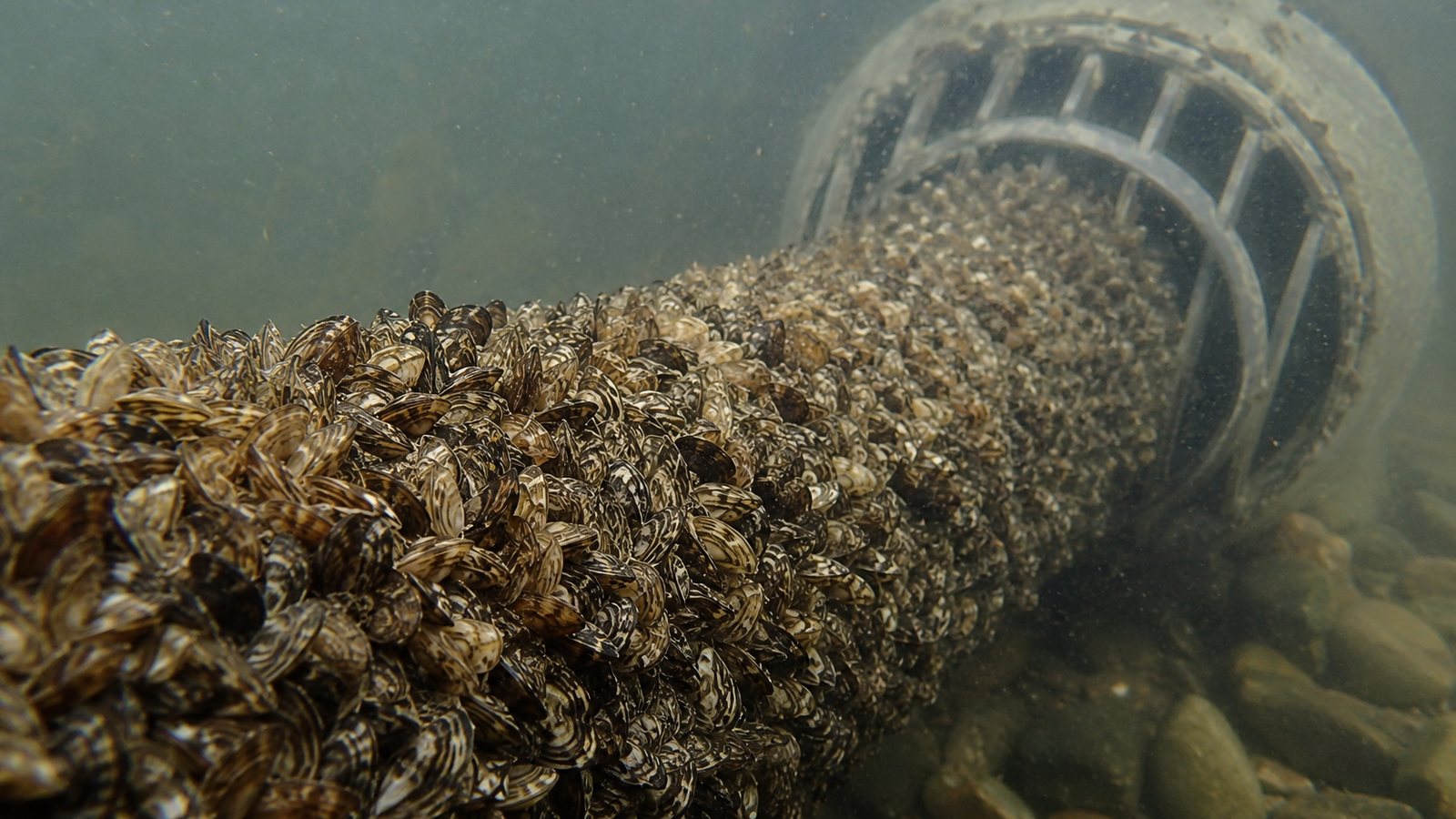
Invasive mussels that colonize intakes and piping — where ozone dissipates too fast to hold a protective residual.
Learn more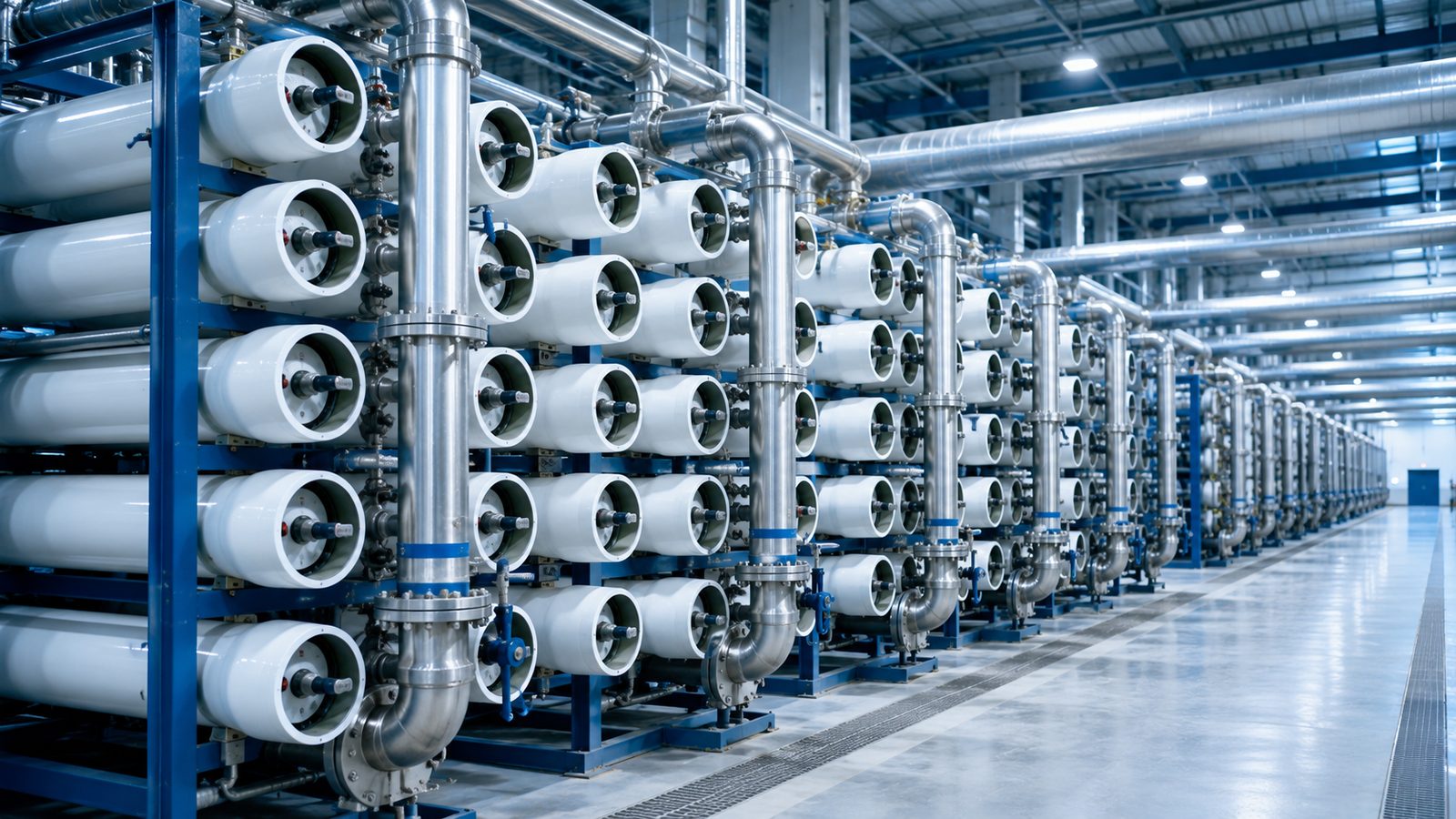
Biofouling and organics that shorten membrane life and drive up cleaning frequency on reverse-osmosis systems.
Learn moreHow Jenfitch Treats It
A single-chemical, ORP-controlled mineral oxychloride program — JC 9450 (NSF/ANSI 60 certified) or JC 9465 — controls biofilm, algae, scale, and corrosion together while lowering cost, improving heat transfer, and reducing Legionella risk. At target ORP the chemistry is 3,125× more germicidal than chlorine, with microbial kill in under 10 seconds.
For Legionella specifically, holding ORP above +700 mV delivers a 6-log reduction in under 10 seconds and, per Special Pathogen Laboratory, eliminates legionellosis in most systems in under four hours. The same oxidation works in wet scrubbers to eliminate H₂S, and — unlike ozone — leaves a lasting residual for zebra- and quagga-mussel control.
Rather than dosing biocide and dispersant separately by ppm, operators hold a target oxidation-reduction potential in millivolts. Because kill efficacy tracks ORP, a single set-point manages disinfection, biofilm, and corrosion together.
Proven Results
| Result | Performance | Source / context |
|---|---|---|
| Germicidal strength vs chlorine | 3,125× | Cooling-water program at target ORP |
| Microbial kill time | <10 sec | At the target ORP |
| Electricity savings | 20%+ | Cited by Southern California Edison (SCE) |
| Legionella reduction | 6-log in <10 sec | Special Pathogen Laboratory, above +700 mV |
| Wet-scrubber H₂S removed | 2,000 mg/L | Houston study; ORP shift −150 to +100 mV |
Approved & validated
 EPA FIFRA
 USDA Organic
 NSF/ANSI
Frequently Asked Questions
Yes. A single-chemical, ORP-controlled mineral oxychloride program (JC 9450 or JC 9465) controls biofilm, algae, scale, and corrosion together — at target ORP it is 3,125× more germicidal than chlorine, with microbial kill in under 10 seconds.
Because roughly 90% of Legionella lives inside biofilm, destroying the biofilm is key. Holding ORP above +700 mV delivers a 6-log Legionella reduction in under 10 seconds and, per Special Pathogen Laboratory, can eliminate legionellosis in most systems in under four hours.
Biofilm on a heat-transfer surface is 300% worse than calcium-carbonate scale for heat transfer, and ASHRAE notes a fouling factor of just 0.001 can cut efficiency around 10%. Biofilm also shields anaerobic bacteria that cause pitting and corrosion.
Yes. In a Houston study on a natural-gas stream carrying 2,000 mg/L H₂S, the program achieved complete H₂S elimination with an ORP shift from −150 mV to +100 mV, leaving only inert sulfate residuals.
Mineral oxychloride delivers ozone-class oxidation but, unlike ozone, holds a lasting residual — so protection persists through intakes and piping rather than dissipating.
Where to next
Need reliable treatment for an industrial facility, municipality, agricultural operation, or food process? We can help with quotes, safety data sheets, technical questions, and project scoping.