



Struvite & Vivianite Control

Prevent, control, and remove struvite and vivianite scale wherever it forms — digesters, pumps, overflow lines, and dewatering systems — before it restricts flow and drives up maintenance cost.

Approved, certified & independently validated

UC DavisUniversity of WashingtonSpecial Pathogen LaboratoryMontana State UniversitySawtooth Ag ResearchGreenAgri SolutionsSouthern California EdisonGoleta Water District

The Problem

Two minerals that choke a plant.

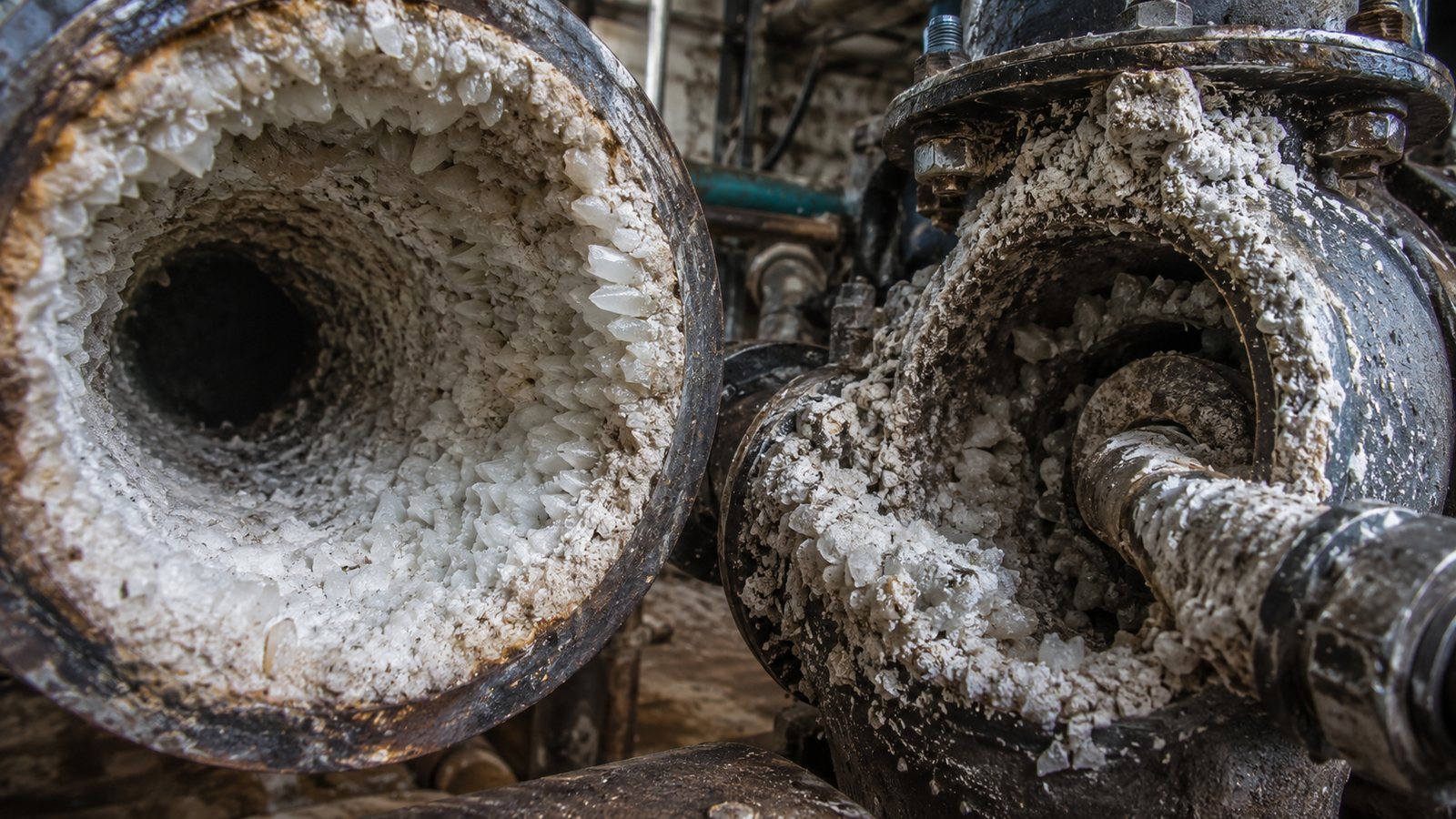
Struvite

Struvite is magnesium ammonium phosphate — a hard, crystalline scale that forms when phosphate, ammonia, and magnesium concentrate in anaerobic digestion and dewatering. It builds on pipe walls, pump volutes, and heat-exchanger surfaces, narrowing bores and fouling equipment.
Vivianite

Vivianite is an iron phosphate that precipitates where phosphate meets iron in the same anaerobic environments. Like struvite, it deposits on the surfaces solids move across — digesters, recycle lines, and dewatering gear — and hardens into a flow-restricting scale.

Prevent formation

Using our advanced technology, we prevent the formation of struvite or vivianite by modifying its chemical structure before it can crystallize and create operational restrictions.

Control & removal

Jenfitch has developed technology that removes struvite and vivianite wherever it forms in your system. Whether it is building in your digester, the overflow line, or the dewatering system, we can effectively solve the problem.

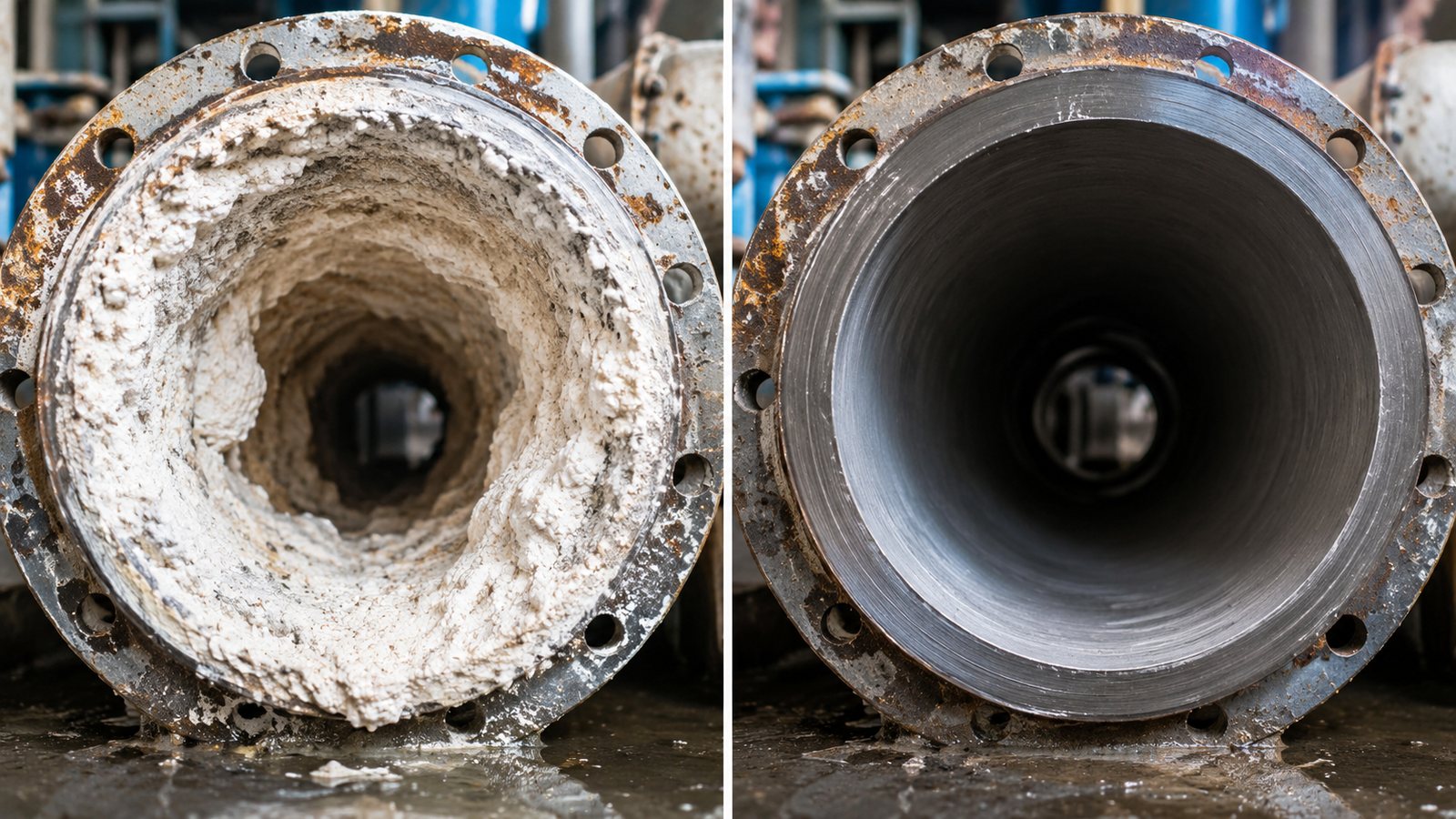
Pipe before and after struvite scale removal Before After

The Problem, Solved

From choked to clear.

Struvite (magnesium ammonium phosphate) and vivianite build hard mineral deposits that narrow pipes, foul pumps, and cut throughput in digesters and dewatering equipment. Left untreated, it means emergency shutdowns, jetting, and lost capacity.

Jenfitch chemistry targets the deposit at the molecular level — preventing new scale and dissolving what has already formed — restoring full flow without aggressive mechanical cleaning.

Talk to us about your system

Why It Happens

The chemistry behind the scale.

Anaerobic digestion and the dewatering that follows release phosphate and ammonia into solution and concentrate metals such as magnesium and iron. As these ions meet — and as pressure drops and turbulence rises at pumps, valves, and elbows — the dissolved species crystallize onto surfaces as struvite or vivianite. The reaction feeds on itself: once a nucleus forms, scale grows steadily, narrowing the flow path and increasing turbulence, which drives still more deposition.

i

The operational cost

Scale on digester walls, mixers, and heat exchangers cuts efficiency and capacity; scale in overflow and recycle lines restricts flow and causes backups. Left untreated it forces emergency shutdowns, high-pressure jetting, chemical descaling, and premature equipment replacement — all unplanned maintenance and lost throughput.

How It Works

A three-step control program.

Assess

We analyze your water chemistry and pinpoint where and why struvite or vivianite is forming in your process.

Treat

A targeted Jenfitch program modifies the chemical structure to prevent crystallization and dissolve existing deposits.

Maintain

Ongoing dosing keeps digesters, overflow lines, and dewatering systems clear — protecting throughput and equipment.

Where It Forms

Common trouble spots we treat.

Digesters

Scale on walls, mixers, and heat exchangers reduces efficiency and capacity.

Overflow & recycle lines

Narrowed lines and elbows restrict flow and cause backups.

Pumps & valves

Deposits on volutes and seats foul pumps and valves, driving vibration, wear, and failures.

Dewatering systems

Scale on centrifuges, presses, and their piping cuts capture and drives up maintenance downtime.

The Benefit

Protect equipment, cut downtime.

  • Restore full flow without aggressive high-pressure jetting or acid descaling.
  • Protect capital equipment — digesters, pumps, heat exchangers, and dewatering gear.
  • Reduce unplanned downtime and the emergency-maintenance cost that comes with it.
  • Prevent recurrence with ongoing dosing that stops new scale before it crystallizes.

Questions

Struvite & vivianite, explained.

What is the difference between struvite and vivianite?

Struvite is magnesium ammonium phosphate; vivianite is an iron phosphate. Both form in the anaerobic digestion and dewatering stages of a wastewater plant when phosphate and ammonia combine with metals, and both deposit as hard, flow-restricting scale.

Why does it form in my plant?

Anaerobic digestion and dewatering release phosphate and ammonia and concentrate magnesium and iron. Where those ions meet — especially at pumps, valves, and elbows where pressure drops and turbulence rises — they crystallize onto surfaces and the scale grows on itself.

Can Jenfitch remove scale that has already formed?

Yes. The program both prevents new formation by modifying the chemical structure before it can crystallize and dissolves existing deposits — restoring full flow without aggressive mechanical cleaning — wherever it forms, from the digester to the dewatering system.

How do you keep it from coming back?

After assessing where and why the scale is forming and treating the existing deposits, ongoing dosing keeps digesters, overflow lines, pumps, and dewatering systems clear — protecting throughput and equipment over the long term.

Let's talk water.

Need reliable treatment for an industrial facility, municipality, agricultural operation, or food process? We can help with quotes, safety data sheets, technical questions, and project scoping.

Contact Us