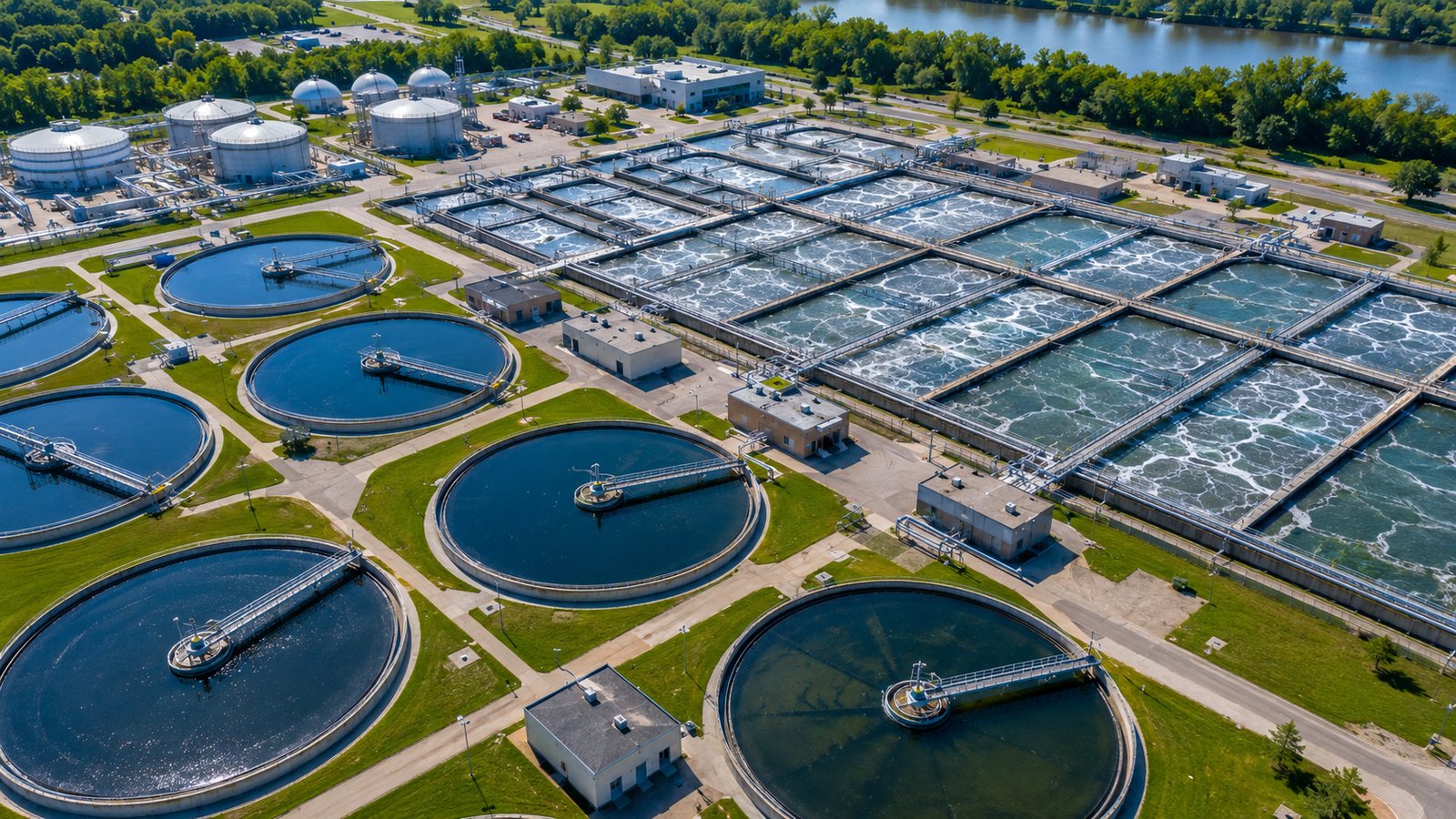
Municipal & Industrial
Drinking water, wastewater, process water, and water reuse for utilities and manufacturers.
Learn more

Smarter. Safer. Sustainable.
Jenfitch delivers advanced oxidation and treatment chemistry — including U.S. EPA- and USDA-recognized technologies — that enhance water quality, protect infrastructure, and safeguard public health across utilities, agriculture, food processing, energy, and industry worldwide.
Advanced oxidation chemistry · Approved, certified & independently validated
 EPA FIFRA
 USDA Organic
 NSF/ANSI
Announcement
Looking for a low-cost method to generate reactive oxygen species (ROS)? Would you like to use AOP in your plant, but capital expenditures are too high? Jenfitch has developed a new green technology that generates ROS at a fraction of the cost while providing strong disinfection properties.
Applications include industrial and municipal water treatment plants, water recycling, wastewater treatment, air and gas scrubber systems, cooling water systems, power generation, agriculture, aquaculture, oil & gas production, hydroponics, and other markets.
More about Jenfitch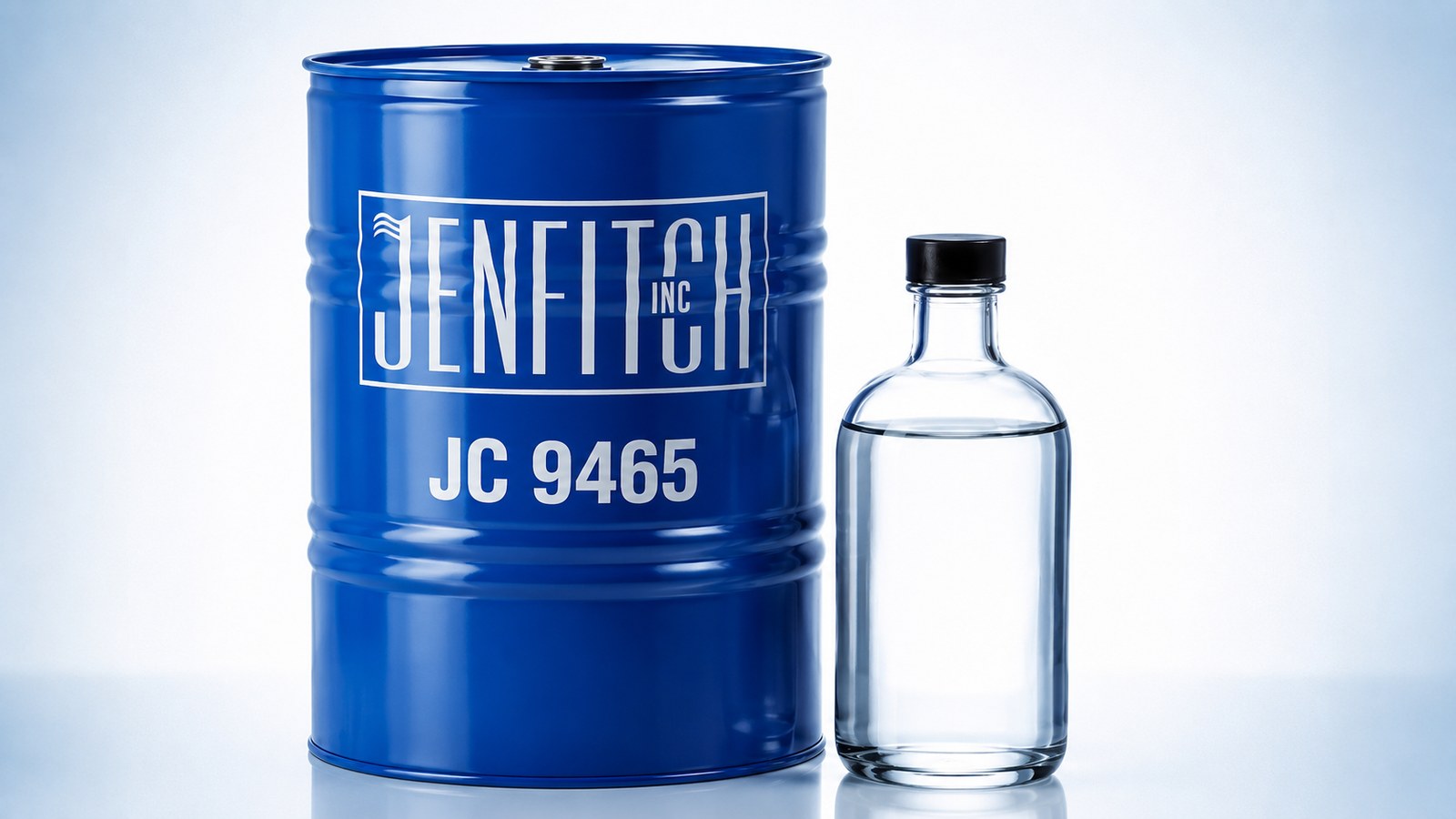
Our Flagship Product
JC 9465 is our EPA FIFRA-registered, USDA/NOP-approved disinfectant, built on mineral oxychloride technology. It disinfects, controls biofilm and algae, and safeguards process water — at a fraction of the capital and operating cost — across water treatment, cooling, food safety, and agriculture.
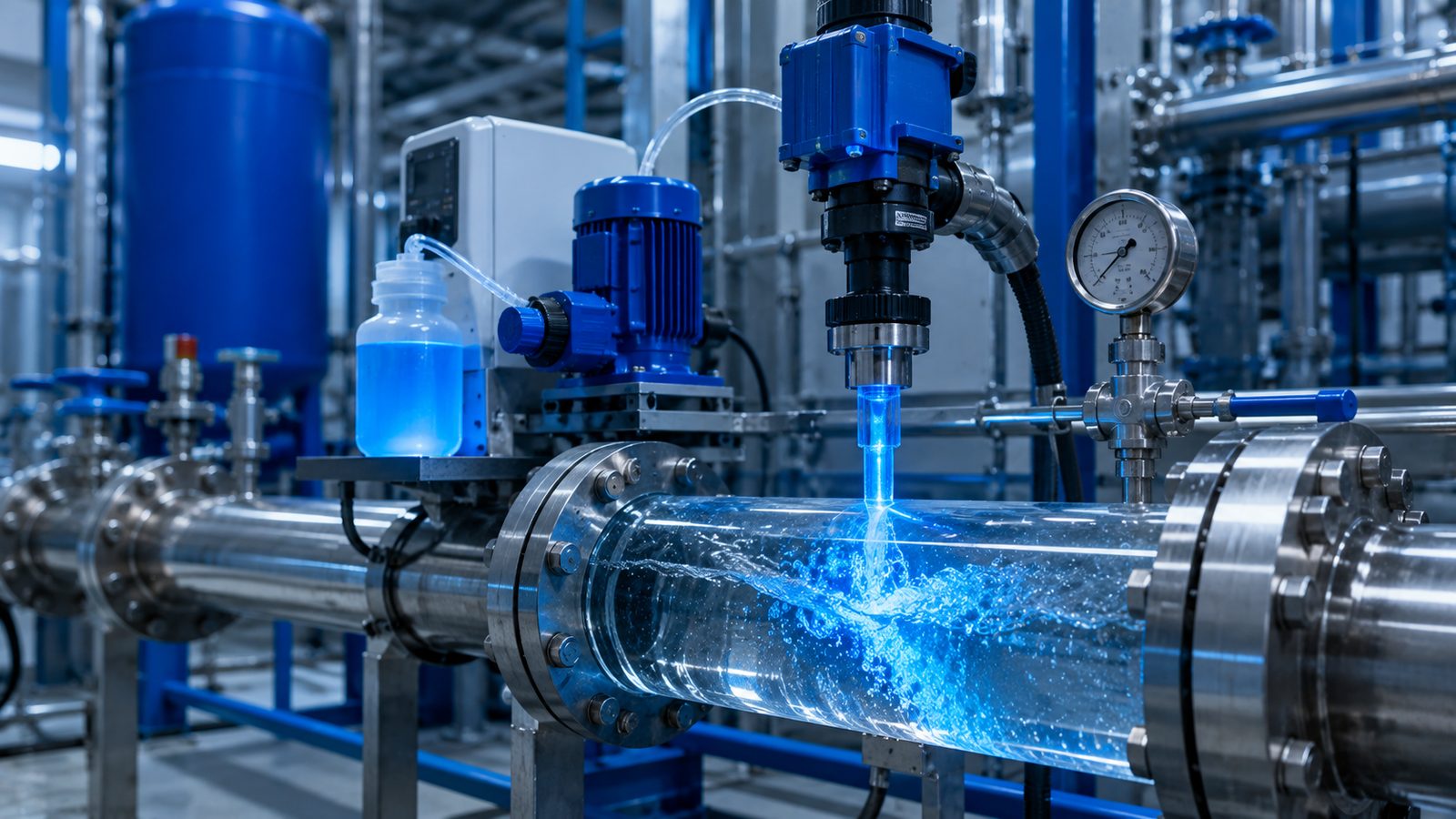
Core Technology
Jenfitch is committed to delivering cutting-edge water treatment solutions designed to meet the most demanding environmental and operational challenges — prioritizing sustainability, efficiency, and effectiveness while minimizing cost.
By the Numbers
Why Mineral Oxychloride
Jenfitch mineral oxychloride chemistry generates reactive oxygen species with an oxidation potential above ozone and far above chlorine — delivered as a ready-to-use liquid.
| Oxidant | Oxidation potential | Notes |
|---|---|---|
| Fluorine | 3.06 V | Strongest reference point |
| Mineral oxychloride (Jenfitch) | 2.8–2.9 V | On par with the hydroxyl radical |
| Ozone | 2.07 V | Requires a gas-generation system |
| Chlorine dioxide | 1.57 V | — |
| Chlorine | 1.36 V | — |
| Sodium hypochlorite | 0.94 V | ~30-day shelf life |
For equivalent oxidation, Jenfitch mineral oxychloride costs less than 1% of a conventional ozone system, ships as a 100% water-soluble ready-to-use liquid, and holds a roughly six-month shelf life — about six times that of sodium hypochlorite.
Industries We Serve
Drinking water, wastewater, process water, and water reuse for utilities and manufacturers.
Learn more
Biofilm, algae, scale, corrosion, and Legionella risk controlled with a single ORP-managed program.

H₂S and iron-sulfide control, produced-water treatment, and stripper-well output gains.
Learn more
Crop-yield gains, in-field and post-harvest disinfection, and E. coli / Salmonella control.
Learn moreHow We Help
Click any program to open its full detail page in a new tab.
Coagulants and flocculants for potable, industrial, and wastewater systems — improving liquid-solid separation, sludge dewatering, TOC reduction, and filter optimization.
Learn more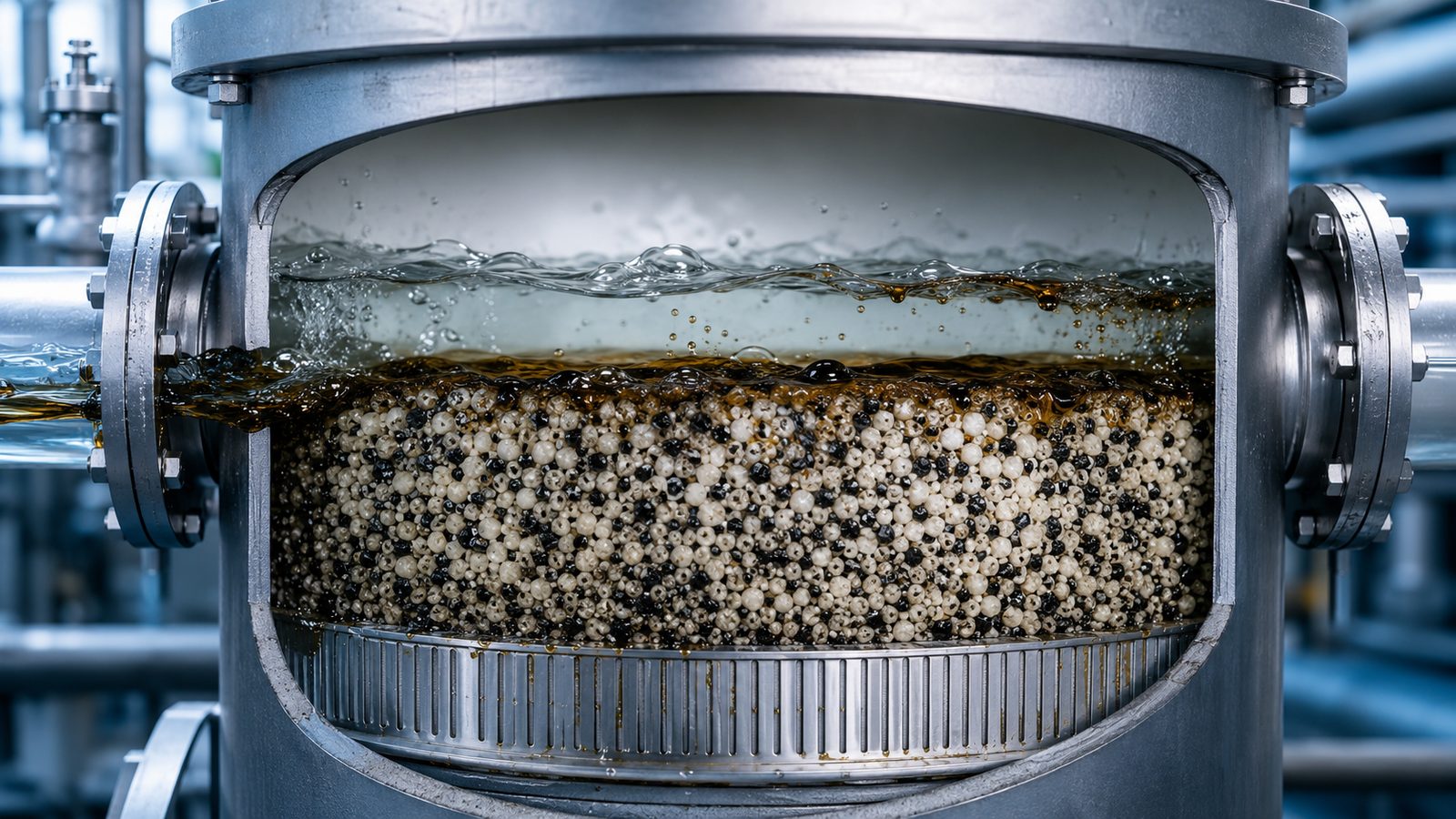
Absorption plus liquid-solid separation for oily wastewater and hard-to-treat streams where conventional methods are too costly or technically limited.
Learn more
A chemical AOP approach that releases oxidative energy greater than ozone while reducing capital cost, complexity, and operating burden.
Learn more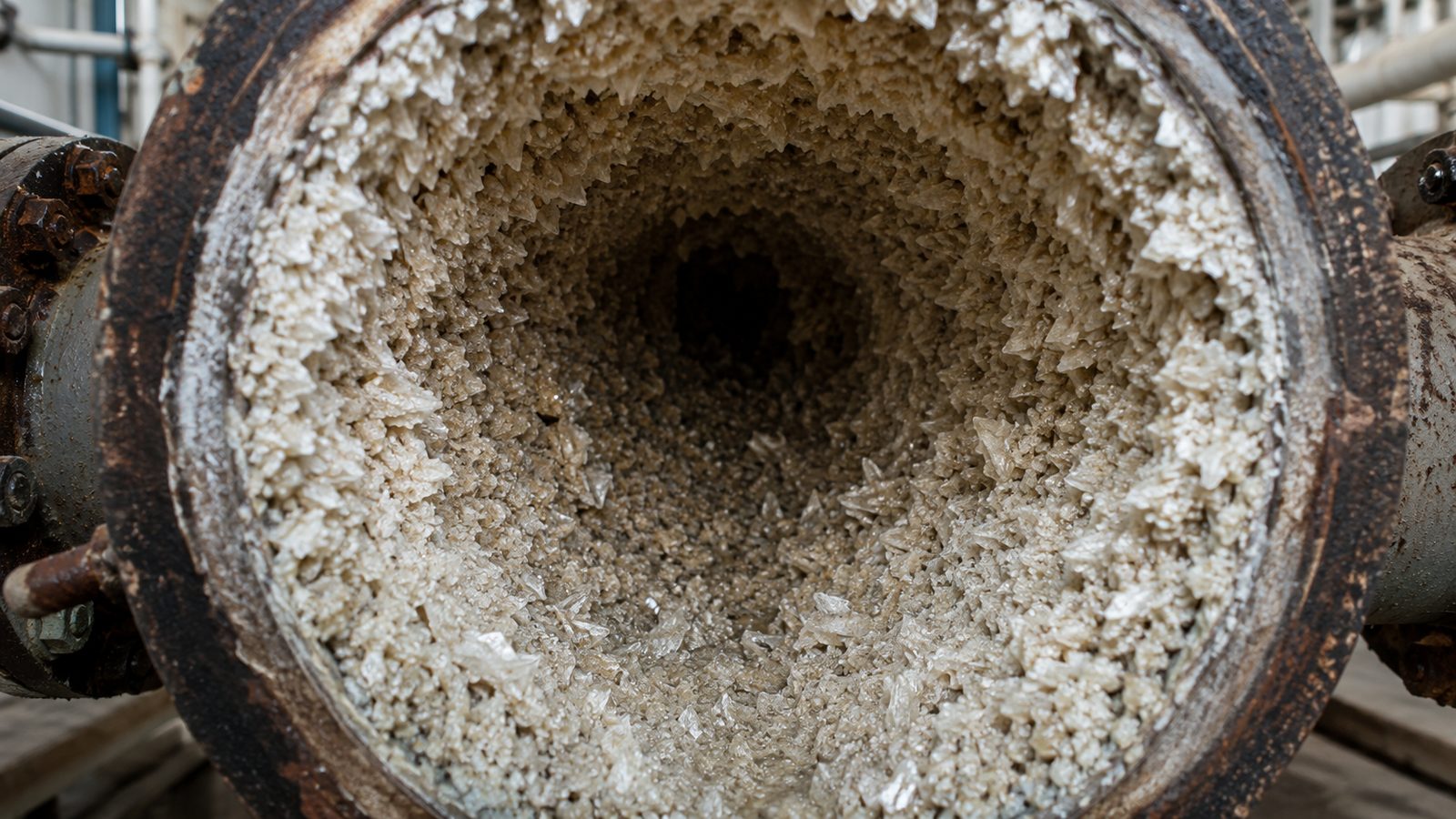
Prevent, control, and remove struvite or vivianite in digesters, overflow lines, and dewatering systems by modifying chemical structure.
Learn more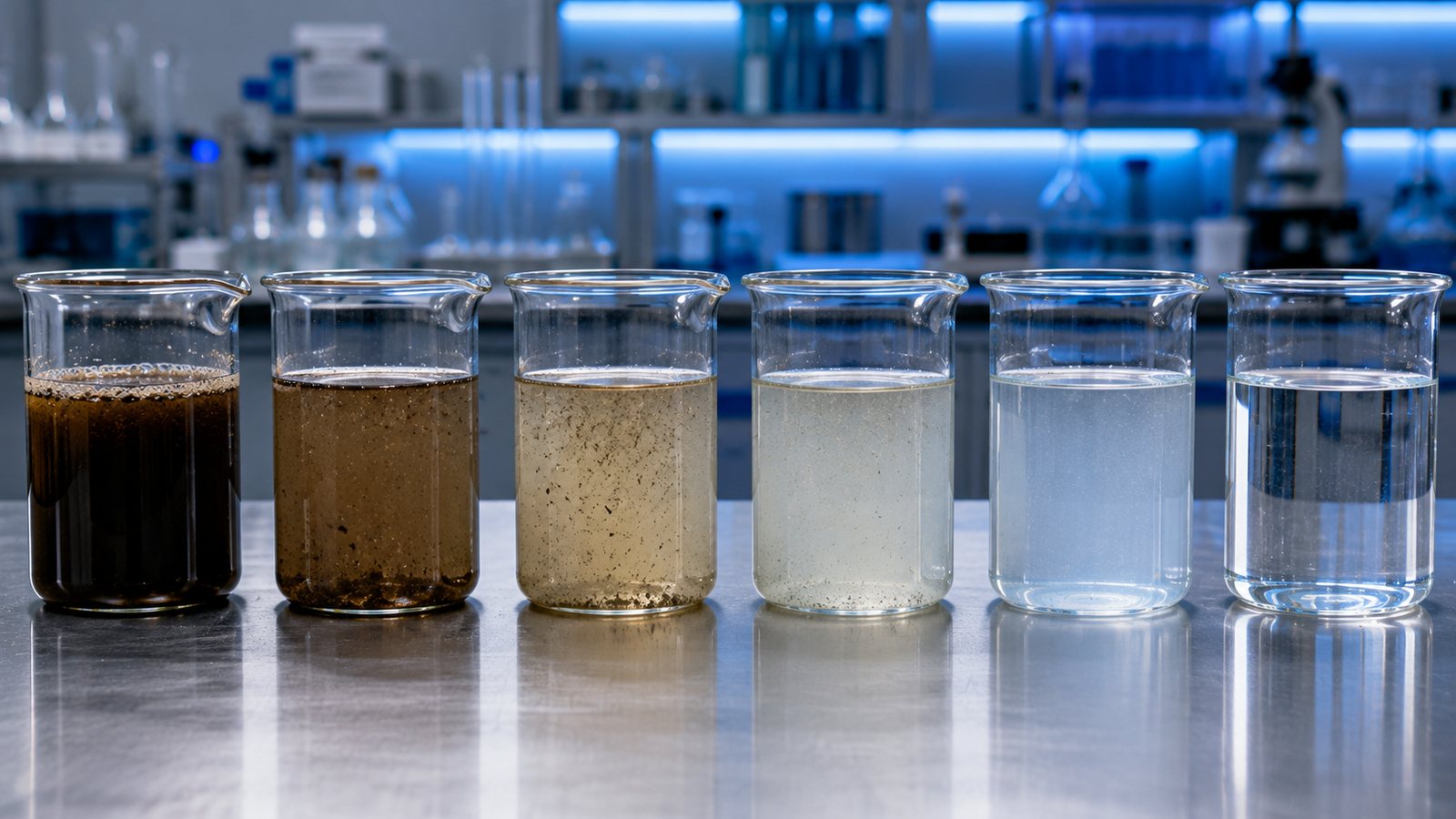
Lower dissolved copper and zinc, convert hexavalent chrome to trivalent chrome, and remove or lower other heavy metals in wastewater.
Learn more
Water analysis, treatment design, and chemistry selection for municipalities, manufacturers, farms, food processors, and industrial operators.
Request help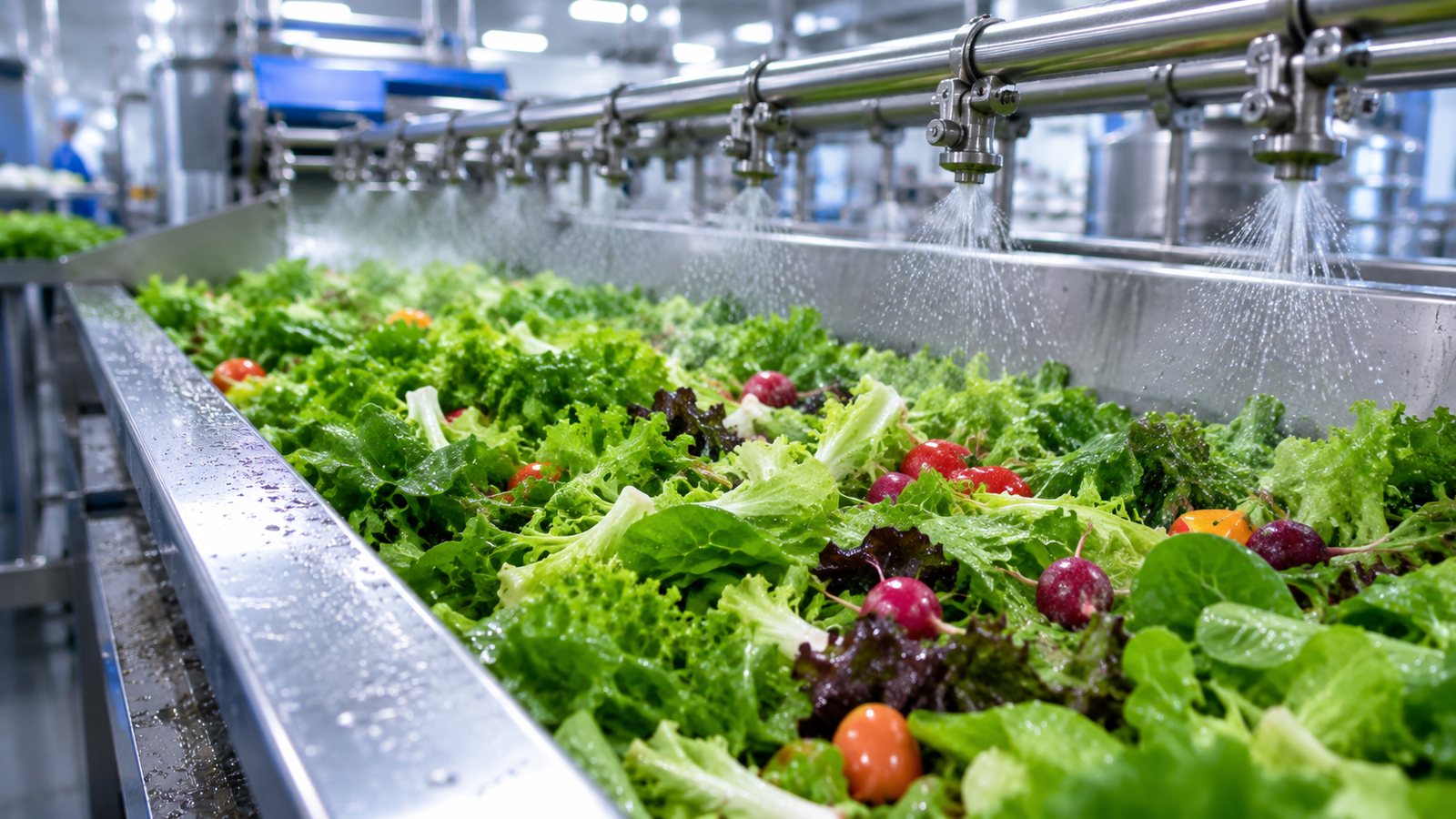
Applications
JC 9465 creates an ORP-controlled disinfection barrier for field harvesting and post-harvest operations.
Rapid pathogen inactivation for food products, produce handling, and process water.
Oxidative energy penetrates mold and mildew without leaving residue on treated surfaces.
Reducing spoilage bacteria and mold supports cleaner produce handling and longer product life.
Research Library
Copper removal, ozone-system field study, Goleta pilot, biocide, EPA labels, and more.
Biofilm and MIC control, wet scrubber applications, Legionella, and zebra mussels.
Mineral oxychloride in oil & gas, stripper-well output, and process biofilm control.
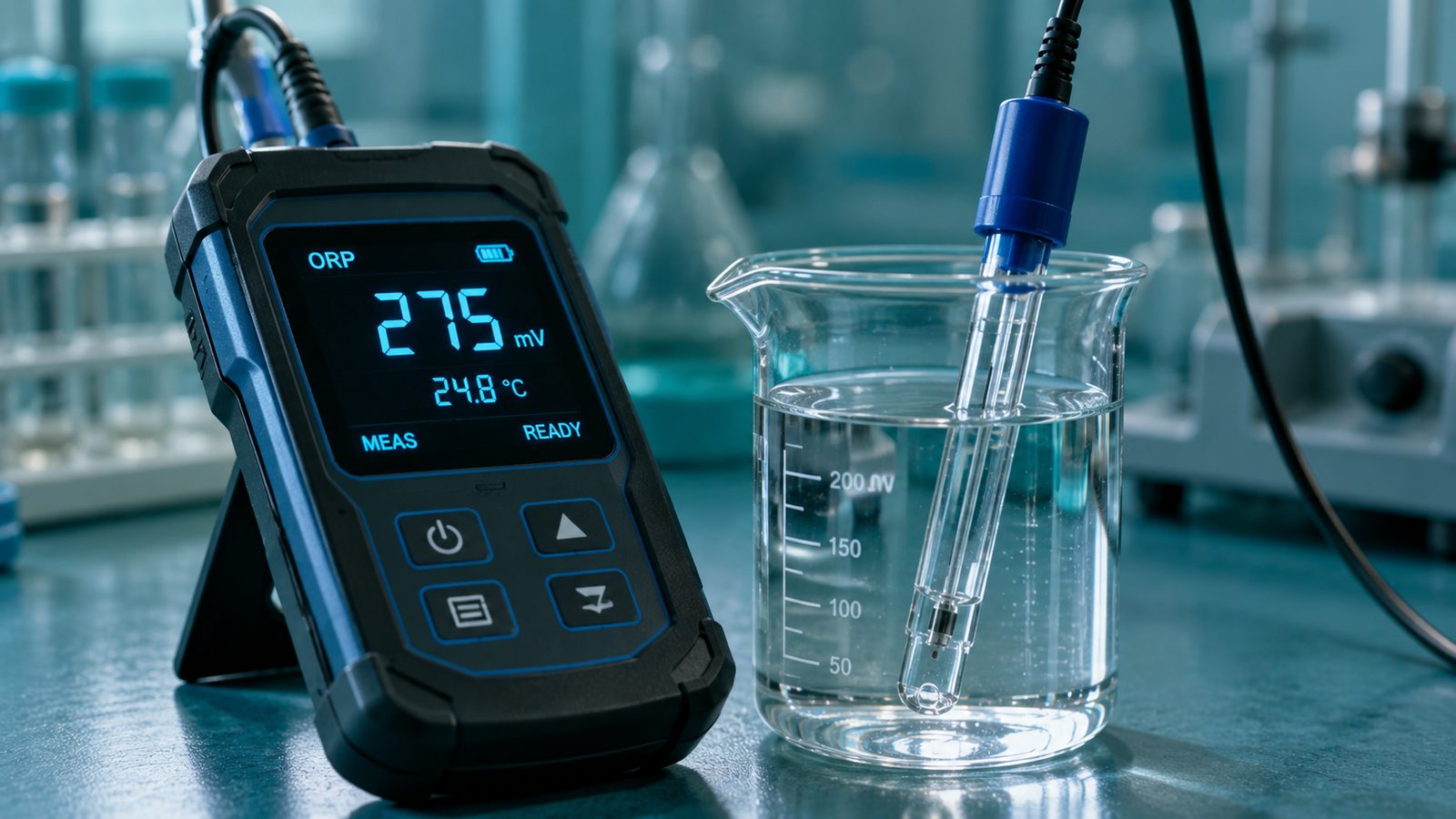
Free chlorine vs ORP/mV vs pH, JC 9465 vs ozone comparison, and tech sheets.
Frequently Asked Questions
Water treatment solutions refer to various technologies and processes used to improve water quality for different applications, including drinking water purification, industrial uses, and wastewater management. These can involve chemical treatment, filtration, and advanced oxidation processes to remove contaminants, inactivate pathogens, and enhance the safety and usability of water.
Industrial water treatment solutions address specific challenges faced by industries that require large volumes of water, such as manufacturing, agriculture, and energy production. They often combine chemical treatments, filtration systems, and bioremediation techniques to ensure water meets regulatory standards and operational needs.
Wastewater treatment chemicals are specialized substances used to treat contaminated water from industrial processes, municipal waste, or agricultural runoff. They help break down pollutants, reduce chemical oxygen demand (COD), and eliminate harmful pathogens so treated water meets safety and regulatory standards before discharge or reuse.
The right solution depends on water quality, specific contaminants, regulatory requirements, and intended use. It's essential to conduct a thorough water analysis and consult with experts. Jenfitch offers tailored consulting services to help you find the best solution for your needs.
It is the liquid chelation of minerals with oxygen. On contact the weakly bound oxygen is released to generate reactive oxygen species, producing an oxidation potential of 2.8–2.9 V — above ozone and far above chlorine — while shipping as a ready-to-use liquid at less than 1% of the cost of a conventional ozone system.
Yes. JC 9465 is EPA FIFRA registered (2020) and USDA/NOP Organic certified (2021, 7 CFR Part 205), and Jenfitch chemistry is USEPA water approved. JC 9450 is NSF/ANSI Standard 60 certified with a maximum use dose of 84 mg/L.
Need reliable treatment for an industrial facility, municipality, agricultural operation, or food process? We can help with quotes, safety data sheets, technical questions, and project scoping.