
shutterstock_114887479

Knocking Down Foam in Wastewater Treatment with JC-9465

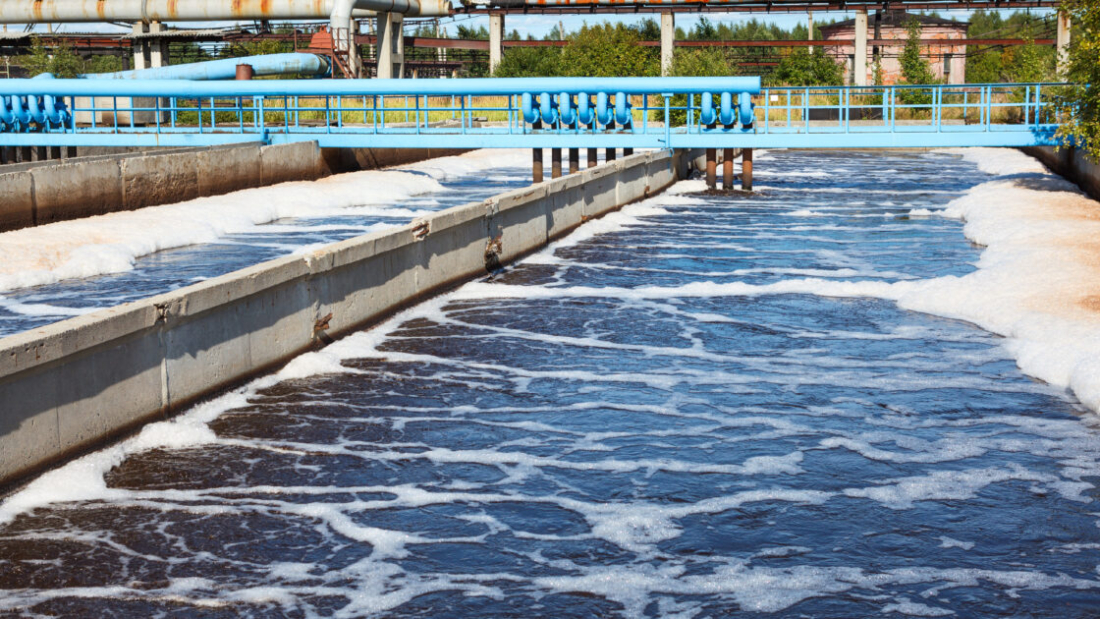
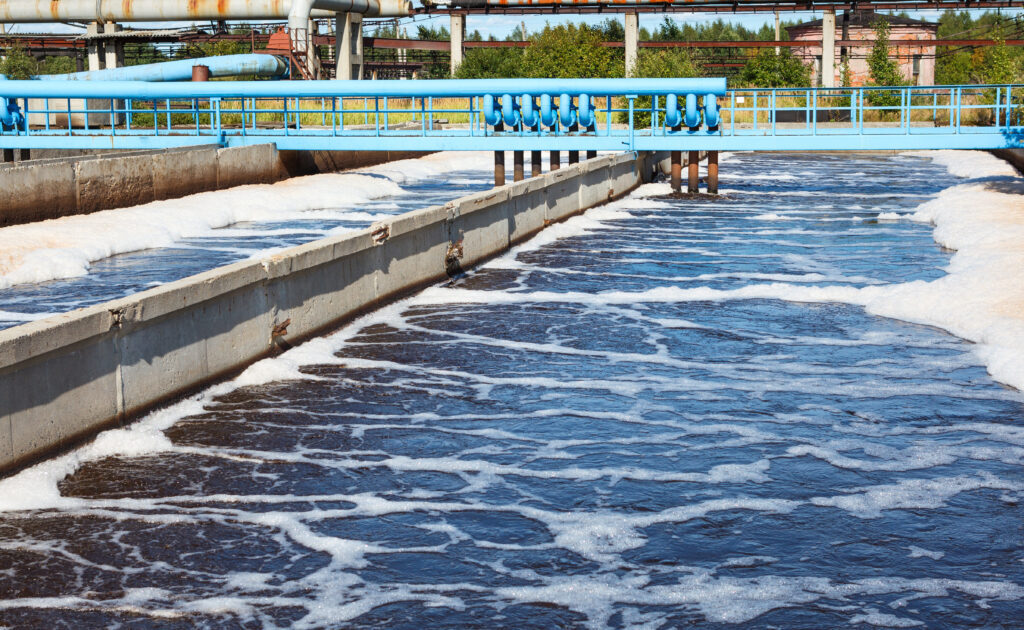
Foam is one of the most frustrating challenges in wastewater treatment operations. While it may seem like just a cosmetic issue, uncontrolled foam can have serious consequences: it carries solids into the effluent, disrupts secondary clarification, creates odor problems, and even poses safety hazards for operators working around basins and tanks. Traditional methods such as water sprays, defoamers, or chlorine dosing provide only short-term relief and often leave operators fighting the same problem week after week.

In recent years, operators and engineers have begun to recognize that foam is not just a surface problem. It’s often the result of complex microbial activity and biofilm development within the sludge system. That’s why a chemistry-based approach using Reactive Oxygen Species (ROS), delivered through JC-9465, has gained traction. Unlike surface treatments, JC-9465 directly targets the root causes of foam, making it a much more reliable and long-lasting solution.

Why Foam Happens

Foam usually develops when conditions in the aeration basin favor certain filamentous bacteria like Nocardia or Microthrix parvicella. These organisms thrive under high sludge ages, nutrient imbalances, and elevated grease or surfactant loads. Because of their hydrophobic cell surfaces, they easily trap air bubbles, producing thick, stable foam that resists normal collapse.

Another key contributor is EPS (Extra Polymeric Substances), sticky compounds secreted by bacteria. EPS forms a structural matrix that not only stabilizes biofilms but also makes foam more persistent by binding bubbles together. This is why simple water sprays or even polymers often fail and the foam’s stability is locked into its chemical structure, not just its physical bubbles.

Hidden Costs of Foam

Beyond being unsightly, persistent foam can lead to:

  • Effluent quality issues – foam can carry solids over into the clarifier weirs
  • Pathogen and odor problems – foam layers can harbor bacteria and create foul smells
  • Increased operational effort – constant spraying, chemical dosing, and sludge handling
  • Safety concerns – slippery walkways and overflows near open tanks

Recognizing foam as a process symptom rather than just a nuisance is the first step to controlling it effectively.
How JC-9465 Knocks Down Foam

JC-9465 is a mineral oxychloride solution that generates high levels of hydroxyl radical ions, one of the strongest Reactive Oxygen Species (ROS). These radicals have an oxidation potential of 2.7 eV, much higher than ozone (2.04 eV) or sodium hypochlorite (1.34 eV). This high oxidative energy allows JC-9465 to attack and break down the compounds that make foam so stubborn.

The key lies in how JC-9465 interacts with the EPS matrix and foam-causing organisms:

  1. Disrupting the EPS Matrix
    Hydroxyl radicals target and oxidize the compounds that make up EPS, such as proteins, polysaccharides, lipids, and nucleic acids, breaking the ‘glue’ that holds foam together. Once the structural integrity is gone, the foam quickly collapses.
  2. Selective Action on Filamentous Bacteria
     Unlike chlorine, JC-9465 selectively targets foam-causing filamentous organisms like Nocardia while preserving beneficial floc-forming microbes, maintaining stable sludge performance.
  3. Residual Oxidative Protection
    Beyond immediate knockdown, JC-9465 leaves a residual oxidative effect, helping prevent foam rebound and reducing the need for frequent treatments

Residual Benefits

Another advantage is that JC-9465 doesn’t just provide a quick knockdown; it leaves a residual oxidative effect in the system. This prevents immediate rebound, meaning operators can enjoy longer-lasting control with fewer interventions. In practice, this translates into reduced chemical use, less labor for foam control, and a more stable activated sludge process.

Benefits Compared to Traditional Foam Control

Temporary vs Long-lasting Impacts: Traditional methods of foam control, such as water sprays, defoamers, or chlorination are widely used, but each comes with significant limitations. Water sprays are the simplest and least costly option, but their impact is short-lived. They collapse surface bubbles temporarily, requiring frequent operator attention, and do nothing to address the underlying cause of foam formation.

Solution to Root Cause: Silicone or oil-based defoamers provide a more immediate and dramatic knockdown, but they act only on the surface. Since they don’t penetrate or break down the EPS matrix, they fail to solve the root problem. As a result, foam often returns within hours or days, leading to high recurring chemical costs and dependency on continuous dosing.

Favourable to Beneficial Organisms: Chlorination has long been used to control foaming, especially when filamentous bacteria like Nocardia are identified. While it can reduce microbial populations, chlorination is non-selective and may harm the beneficial floc-forming organisms that are essential for healthy sludge operation. On top of that, chlorine use increases the risk of toxic byproducts such as trihalomethanes (THMs) and chloramines, which can compromise both environmental compliance and safety.

Sustainable Approach: JC-9465, on the other hand, delivers a more effective and sustainable approach. By generating hydroxyl radicals, it directly breaks down the EPS structure that stabilizes foam while selectively reducing foam-causing bacteria. This dual action results in rapid foam knockdown and prevents the rebound that commonly follows conventional methods. Unlike chlorine, it does not disrupt the overall microbial balance, and unlike silicone defoamers, it leaves a residual protective effect that minimizes the need for repeated applications. Over time, this means fewer chemical additions, reduced operator labor, and a more stable biological process.
Case Study: Proven Biofilm and Foam Control with JC-9465

Extensive studies demonstrate the power of JC-9465 in breaking down biofilms and restoring process efficiency. One of the most compelling results comes from the work on controlling Legionella, a pathogen that thrives inside biofilm aggregates.

In these trials, JC-9465 was applied and achieved a 6-log reduction of Legionella in less than 30 seconds. This rapid effectiveness was confirmed through ORP measurements exceeding +680 mV, proving that the hydroxyl radicals generated by JC-9465 were strong enough to penetrate and oxidize the EPS matrix protecting these microbes. Once the EPS was dismantled, the biofilm collapsed and eliminated the safe harbor that allowed Legionella to persist.

The same principle applies in wastewater treatment when controlling persistent foaming issues. Foam, much like biofilm, is stabilized by EPS and the activity of filamentous bacteria. By breaking down EPS and selectively targeting foam-causing organisms, JC-9465 provides fast foam knockdown while preserving the beneficial floc-forming microbes that keep sludge healthy. This is why operators consistently see not only immediate relief, but also longer-lasting stability compared to traditional defoamers or chlorination.

Conclusion

Foam control in wastewater treatment is far more than a surface issue. It’s a process stability challenge rooted in microbial activity and biofilm formation. While traditional approaches such as spraying, defoamers, or chlorine dosing provide short-term relief, they fail to address the underlying causes and often lead to recurring problems, higher costs, and process disruptions.

JC-9465 offers a proven, chemistry-driven solution by generating hydroxyl radicals that break down the EPS matrix and selectively target foam-causing organisms. This not only delivers rapid knockdown but also ensures longer-lasting control without harming beneficial microbes. As demonstrated in real-world applications, JC-9465 allows operators to regain control of their systems, reduce chemical and labor dependency, and maintain consistent effluent quality.

Therefore, sustainable foam control starts with addressing the root cause. With JC-9465, wastewater operators can shift from reactive, temporary fixes to a proactive, reliable solution that supports long-term plant performance and compliance.
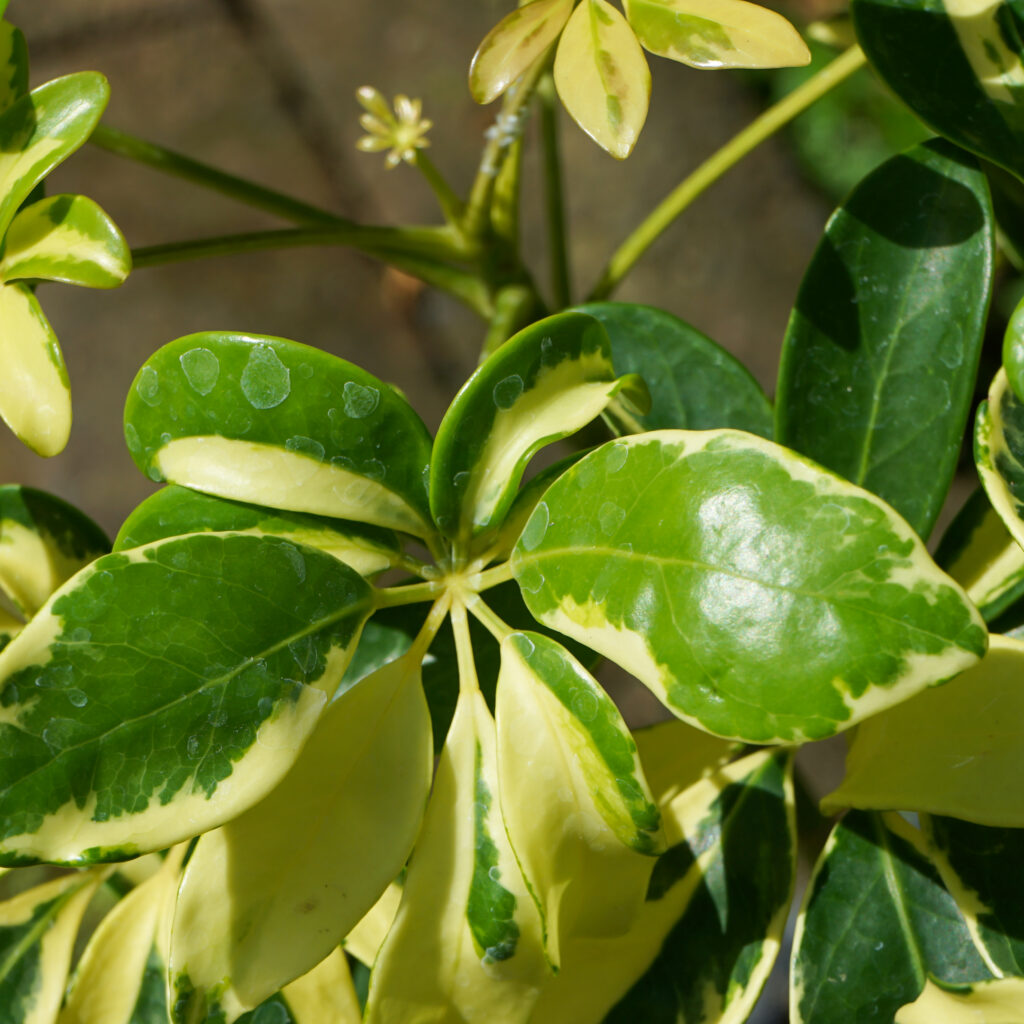
close-up-fresh-green-leaves (1)

Citrus Greening: A Threat to Citrus Production Controlled with ROS

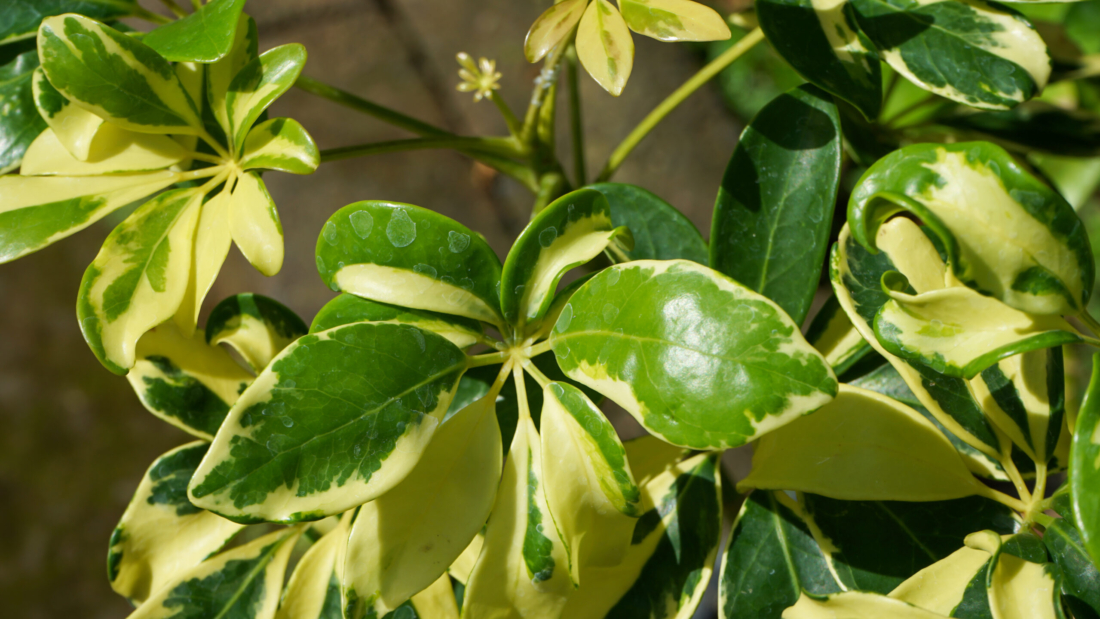
Citrus greening, more widely recognized as Huanglongbing (HLB), is caused by the bacterium Candidatus Liberibacter asiaticus, has emerged as one of the most destructive threats to citrus production worldwide. Since 2019, this disease has ravaged citrus industries worldwide, destroying approximately 75% of orange and 85% of grapefruit production in affected regions. It severely stunts tree growth, causes mottled leaves, misshapen fruit, and ultimately leads to tree death. While numerous efforts have been made to slow the spread, ranging from insect vector control to tree replacement, no cure has remained fully effective, but until now. Citrus Greening Control with ROS

A Revolutionary Solution Emerges

In response to this prolonged agricultural crisis, a promising and revolutionary solution has emerged from a strategic partnership between Jenfitch, Inc. of California and GreenAgri Solutions, LLC of Florida. Since 2015, they have been developing a treatment designed not merely to manage symptoms, but to address the fundamental cause of the disease. This approach recently received EPA registration and USDA Organic certification. It is distinct from conventional pesticides or antibiotics and operates on a more fundamental level by harnessing the natural power of oxygen.

They have introduced a compelling solution based on the science of Reactive Oxygen Species (ROS). Jenfitch proprietary treatment, branded as JC-9465, uses mineral oxychloride chemistry to generate powerful ROS molecules capable of breaking down harmful microbes in a matter of seconds. It employs a specialized mineral oxychloride to generate highly energized oxygen molecules within the plant’s vascular system. These potent molecules then initiate a rapid oxidative process that decomposes the cellular structures of harmful microbes in a matter of seconds. Rather than acting as a selective poison, the treatment creates a broad-spectrum chemical disruption that pathogens are unable to withstand.

Field Testing

GreenAgri Solutions, LLC initiated a trial in Central Florida by applying a newly developed oxidant, formulated from mineral oxychloride to a single citrus tree affected by greening. The treatment involved spraying the foliage and irrigating the roots with a solution that produced oxidized water with an oxidation-reduction potential (ORP) exceeding +700 mV. Infected leaves were removed at the start of the process. Remarkably, within just one week, the tree began showing signs of new growth. Encouraged by these early results, the team expanded the trial to include 20 additional trees. After 60 days of consistent irrigation and foliar application using the high-ORP mineral oxychloride solution, all treated trees began to develop fruit suitable for market. The yellowing of leaves slowed, canopy density increased, and fruit production began to stabilize. Now in its fourth year, the trial has scaled up to two acres, one serving as the control plot and the other undergoing continuous treatment.

These outcomes suggest that ROS treatment may not only halt disease progression but also help reverse some of the damage already done. One of the most encouraging aspects of this treatment is how quickly it acts. Traditional agricultural treatments often take months or seasons to show tangible effects, but with this treatment microbial kill rates in less than ten seconds under lab conditions. Translated to the field, this means growers may see improved plant health much faster, helping them save trees that might otherwise be lost to HLB.

The Science Behind Mineral Oxychloride (ROS)

At the core of this breakthrough lies mineral oxychloride technology, a unique and powerful source of oxidative energy that has been shown to eliminate 99.99% of bacteria and viruses. This chemistry works by generating reactive oxygen species (ROS) such as hydroxyl radicals and singlet oxygen ions—which attack and destroy the cellular structures of harmful microorganisms. What makes this process especially powerful is its speed and intensity. In studies conducted by the UC Davis Post-Harvest Department, researchers found that raising the oxidation-reduction potential (ORP) of water to +700 millivolts using mineral oxychloride was sufficient to inactivate pathogens like E. coli, Salmonella, and Listeria in under 10 seconds.

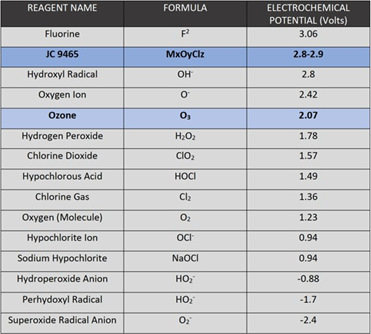
Chart No. 1 – Electrochemical Potential

The oxidative energy produced by mineral oxychloride can be directly measured using an ORP meter. This measurement provides a quantifiable indicator of water’s disinfection potential and is critical in ensuring consistent microbial control in agricultural applications. Chart No. 1 illustrates the electrochemical potential of various oxidizers, highlighting where mineral oxychloride stands in comparison to other common disinfectants.

What sets mineral oxychloride apart is not just its effectiveness but its residual activity, which ensures ongoing protection long after application. Compared to traditional treatments that degrade rapidly or rely on single-use contact, this chemistry maintains a stable ORP in treated water and plant systems. The lasting presence of ROS makes it possible to monitor and manage disease suppression using simple on-site ORP readings.

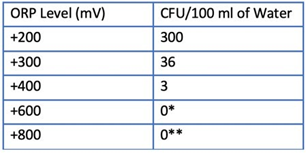
Chart No. 2 – Power of Oxidative Energy

Further studies have shown that increasing oxidative energy in agricultural water systems can drastically reduce microbial populations and minimize the risk of crop diseases. Chart No. 2 below demonstrates how elevating ORP levels directly correlates with the inactivation of microorganisms, measured in colony-forming units (CFU). While the chart quantifies microbial reduction, it doesn’t fully capture the rapid pace at which this reaction occurs. The reality is that with mineral oxychloride, the effect is nearly instantaneous, offering both speed and residual strength in pathogen control.

A New Dawn for Citrus Farming

For years, citrus growers have searched for a treatment that could offer real hope in the fight against HLB. Jenfitch’s ROS-based technology provides growers with a powerful solution to enhance disease control from within the plant system itself. It is not a silver bullet, but when used with the current best practices, it has the potential to restore orchard productivity and extend the life of valuable citrus trees.

This innovation may signal a turning point not just for citrus farming but also for the agriculture sector as a whole. As farmers face increasing pressure to reduce chemical usage and adopt sustainable methods, the use of naturally inspired chemistry like ROS opens the door to a healthier, more resilient farming ecosystem.

Citrus greening has devastated global citrus production, but Jenfitch’s groundbreaking ROS technology may change the game. Incorporating this ROS-based approach into crop management strategies offers growers a measurable, cost-effective method to combat persistent microbial threats like those driving citrus greening. With further field validation, ROS-based strategies could become a staple in integrated HLB management, securing the future of the citrus industry and supporting growers worldwide.

For more information about our studies using mineral oxychloride technology, please contact us at charles@jenfitch.com or www.jenfitch.com or call 925-289-3559.

IMG_0864

Eliminating Filamentous Particle with JC-9465

Sludge bulking remains one of the most persistent challenges in small and mid-sized wastewater treatment facilities, particularly during seasonal shifts that affect the food-to-microorganism (F/M) ratio, nitrogen-to-phosphorus (N/P) ratio, and temperature. These operational changes often trigger the overgrowth of filamentous organisms or biofilms, leading to poor sludge settling, high sludge volume index (SVI), and inefficiencies in the secondary clarifier.

In recent years, a promising solution has emerged: reactive oxygen species (ROS), especially hydroxyl radical ions, which offer a more targeted and effective approach to breaking down biofilm structures. One ROS-based treatment, JC-9465, has demonstrated remarkable success across several small-scale treatment facilities—including a notable case in Southern California.

Field Testing and Findings

Over the past six years, JC-9465 has been evaluated in small wastewater treatment systems (less than 2 MGD) under varying seasonal and operational conditions. Fluctuations in F/M ratios, nutrient imbalances, and temperature swings consistently resulted in sludge bulking and poor settling—regardless of geographic location or process design. It was found that the underlying problem was eventually traced back to microbial imbalances and the presence of biofilms.

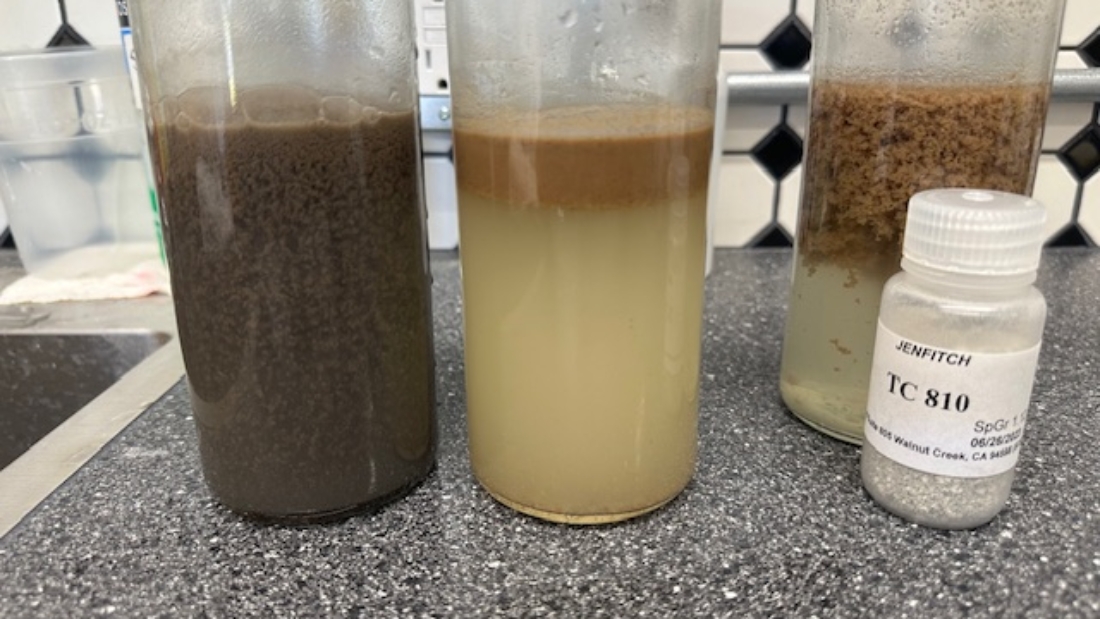
At one test site, dosing 25–30 mg/L of JC-9465 into the Return Activated Sludge (RAS) line yielded dramatic improvements. The treatment broke down the extra polymeric substances (EPS) in the biofilm matrix and effectively regulated microbial populations—without disrupting the biological process. Within 7–10 days, settling performance normalized, and the system recovered without resorting to super-chlorination or reseeding.

It’s important to note that traditional bulking control often focuses on removing filamentous bacteria. However, in many of these studies, the presence of filamentous organisms was either minor or absent altogether. Instead, dense biofilms, composed of EPS, were found to be the primary culprit. These EPS-laden structures hinder proper floc formation and settling by creating buoyant microenvironments that trap solids. This insight marked a shift in treatment strategy—from targeting specific microorganisms to disrupting the physical matrix of the biofilm itself.

Role of Biofilm and EPS

Microscopic monitoring during the trials revealed two dominant types of microorganisms contributing to sludge bulking: filamentous bacteria and non-filamentous floc-forming microbes. However, what proved most consistent and problematic was not the specific type of organism—but the presence of EPS-rich biofilms.

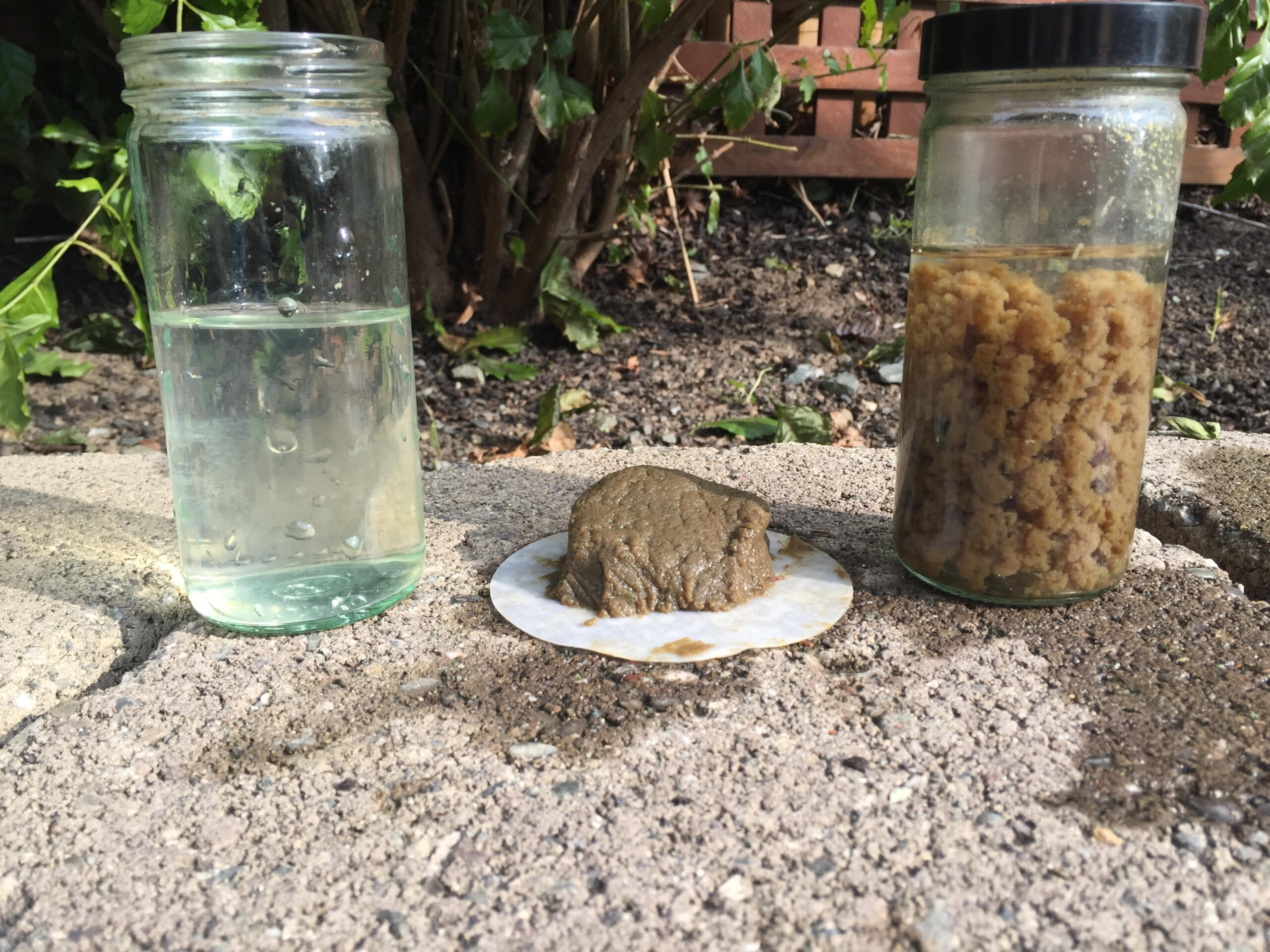
EPS (Extra Polymeric Substances) are the “glue” that holds biofilms together, composed of complex macromolecules such as polysaccharides, proteins, lipids, and nucleic acids. These substances create protective channels and structures that resist mechanical disruption and chemical penetration. Within this matrix, even healthy floc can be suspended rather than settling, leading to chronic bulking issues. Traditional flocculants and oxidants often fail to fully penetrate this structure, resulting in only short-term fixes or no improvement at all.

This is where hydroxyl radicals, a type of ROS generated by JC-9465, provide a unique advantage. Their high oxidative potential (2.7 eV) allows them to rapidly degrade the molecular bonds in EPS, breaking down the structure from the inside out. This not only eliminates the biofilm but also restores the physical conditions necessary for proper sludge settling.

Case Study: Rosamond CSD Wastewater Treatment Plant

The Rosamond Community Services District, a 2 MGD facility in Southern California, faced severe bulking at the end of summer. Their aerobic digester system—with two 12-foot-deep clarifiers—exhibited a sludge blanket depth of 8–10 feet, indicating major settling issues and threatening compliance limits.

Initial Responses:

  • Increased wasting provided temporary relief but was unsustainable.
  • Bench testing of cationic flocculants showed increased floc size, but settling remained poor.
  • Microscopic analysis revealed no filamentous organisms, only free-swimming ciliates and lagellates.

This scenario reflects a growing trend in wastewater treatment: poor settling even in the absence of filamentous bacteria. Many operators are now discovering that sludge bulking is often driven by organic interference, such as biofilm accumulation and high EPS content—not necessarily microbial type. Unfortunately, traditional detection methods can miss these structural issues, leading to ineffective treatments or misdiagnosed root causes.

Intervention with JC-9465:

After expert consultation, the plant tested JC-9465 at a dosage of 25 mg/L, applied to the RAS line. The impact was swift:

  • Within 48 hours, the sludge blanket depth fell to 4–5 feet.
  • After 4 days, JC-9465 treatment was stopped.
  • The wasting rate was reduced, and operations returned to baseline with no further complications.

Benefits Observed:

  • Reduction in wasting rate and overtime associated with plant conditions
  • Did not have to take the plant off-line
  • Did not require super-chlorination
  • Did not require seeding to repopulate the activated sludge population

How JC-9465 Works

JC-9465 is a mineral oxychloride solution that produces large amounts of hydroxyl radical ions, among the most powerful oxidants used in water treatment. These radicals break molecular bonds within EPS structures, degrading the polysaccharides, lipids, nucleic acids, and proteins that hold the biofilm together.

With an oxidation potential of 2.7 eV, hydroxyl radicals surpass both ozone (2.04 eV) and sodium hypochlorite (1.34 eV) in reactivity. This allows them to initiate fast and irreversible reactions with organic materials, turning complex EPS molecules into simple carbohydrates and dissolved solids. The result is a rapid collapse of biofilm integrity, restoring the natural settling ability of activated sludge.

Sludge bulking is not always the result of filamentous bacterial overgrowth. In many modern wastewater plants, biofilms and EPS accumulation are the hidden causes of poor sludge settling. Traditional treatments may provide temporary relief but often fail to address this core issue.

JC-9465, powered by reactive oxygen species, represents a next-generation solution. It provides fast, targeted action against biofilms without harming essential microbes or requiring aggressive interventions. For operators facing chronic bulking problems, JC-9465 offers an effective, reliable, and process-safe alternative to legacy methods.

If you would like to participate in our research study, please contact us at www.jenfitch.com or email charles@jenfitch.com to discuss the testing protocol and the technology.