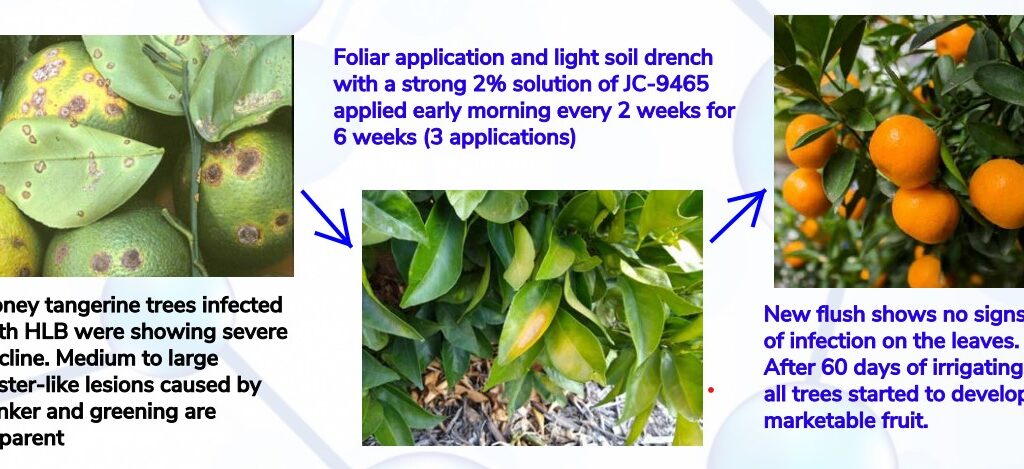
Citrus greening, more widely recognized as Huanglongbing (HLB), is caused by the bacterium Candidatus Liberibacter asiaticus, has emerged as one of the most destructive threats to citrus production worldwide. Since 2019, this disease has ravaged citrus industries worldwide, destroying approximately 75% of orange and 85% of grapefruit production in affected regions. It severely stunts tree growth, causes mottled leaves, misshapen fruit, and ultimately leads to tree death. While numerous efforts have been made to slow the spread, ranging from insect vector control to tree replacement, no cure has remained fully effective, but until now. Citrus Greening Control with ROS
A Revolutionary Solution Emerges
In response to this prolonged agricultural crisis, a promising and revolutionary solution has emerged from a strategic partnership between Jenfitch, Inc. of California and GreenAgri Solutions, LLC of Florida. Since 2015, they have been developing a treatment designed not merely to manage symptoms, but to address the fundamental cause of the disease. This approach recently received EPA registration and USDA Organic certification. It is distinct from conventional pesticides or antibiotics and operates on a more fundamental level by harnessing the natural power of oxygen.
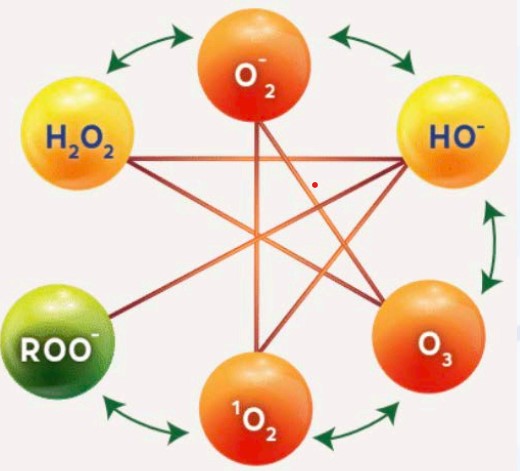
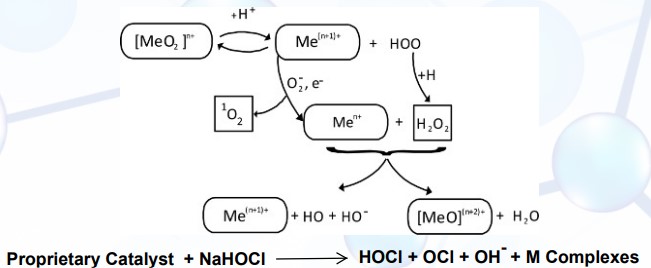
They have introduced a compelling solution based on the science of Reactive Oxygen Species (ROS). Jenfitch proprietary treatment, branded as JC-9465, uses mineral oxychloride chemistry to generate powerful ROS molecules capable of breaking down harmful microbes in a matter of seconds. It employs a specialized mineral oxychloride to generate highly energized oxygen molecules within the plant’s vascular system. These potent molecules then initiate a rapid oxidative process that decomposes the cellular structures of harmful microbes in a matter of seconds. Rather than acting as a selective poison, the treatment creates a broad-spectrum chemical disruption that pathogens are unable to withstand.
Field Testing
GreenAgri Solutions, LLC initiated a trial in Central Florida by applying a newly developed oxidant, formulated from mineral oxychloride to a single citrus tree affected by greening. The treatment involved spraying the foliage and irrigating the roots with a solution that produced oxidized water with an oxidation-reduction potential (ORP) exceeding +700 mV. Infected leaves were removed at the start of the process. Remarkably, within just one week, the tree began showing signs of new growth. Encouraged by these early results, the team expanded the trial to include 20 additional trees. After 60 days of consistent irrigation and foliar application using the high-ORP mineral oxychloride solution, all treated trees began to develop fruit suitable for market. The yellowing of leaves slowed, canopy density increased, and fruit production began to stabilize. Now in its fourth year, the trial has scaled up to two acres, one serving as the control plot and the other undergoing continuous treatment.
These outcomes suggest that ROS treatment may not only halt disease progression but also help reverse some of the damage already done. One of the most encouraging aspects of this treatment is how quickly it acts. Traditional agricultural treatments often take months or seasons to show tangible effects, but with this treatment microbial kill rates in less than ten seconds under lab conditions. Translated to the field, this means growers may see improved plant health much faster, helping them save trees that might otherwise be lost to HLB.
The Science Behind Mineral Oxychloride (ROS)
At the core of this breakthrough lies mineral oxychloride technology, a unique and powerful source of oxidative energy that has been shown to eliminate 99.99% of bacteria and viruses. This chemistry works by generating reactive oxygen species (ROS) such as hydroxyl radicals and singlet oxygen ions—which attack and destroy the cellular structures of harmful microorganisms. What makes this process especially powerful is its speed and intensity. In studies conducted by the UC Davis Post-Harvest Department, researchers found that raising the oxidation-reduction potential (ORP) of water to +700 millivolts using mineral oxychloride was sufficient to inactivate pathogens like E. coli, Salmonella, and Listeria in under 10 seconds.
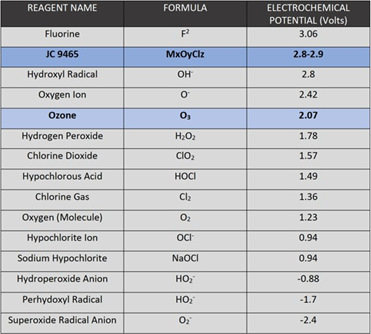
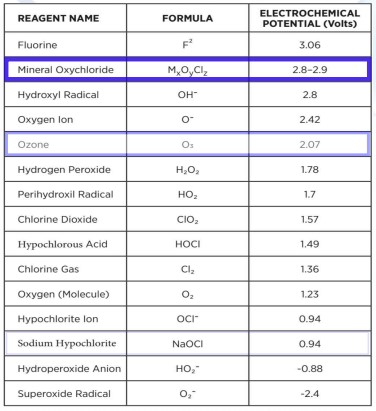
Chart No. 1 – Electrochemical Potential
The oxidative energy produced by mineral oxychloride can be directly measured using an ORP meter. This measurement provides a quantifiable indicator of water’s disinfection potential and is critical in ensuring consistent microbial control in agricultural applications. Chart No. 1 illustrates the electrochemical potential of various oxidizers, highlighting where mineral oxychloride stands in comparison to other common disinfectants.
What sets mineral oxychloride apart is not just its effectiveness but its residual activity, which ensures ongoing protection long after application. Compared to traditional treatments that degrade rapidly or rely on single-use contact, this chemistry maintains a stable ORP in treated water and plant systems. The lasting presence of ROS makes it possible to monitor and manage disease suppression using simple on-site ORP readings.
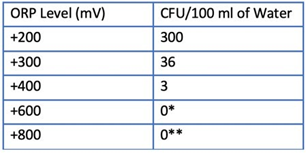
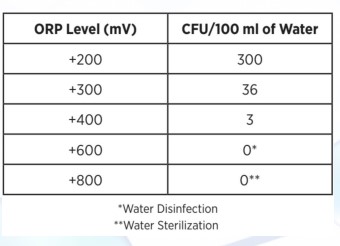
Chart No. 2 – Power of Oxidative Energy
Further studies have shown that increasing oxidative energy in agricultural water systems can drastically reduce microbial populations and minimize the risk of crop diseases. Chart No. 2 below demonstrates how elevating ORP levels directly correlates with the inactivation of microorganisms, measured in colony-forming units (CFU). While the chart quantifies microbial reduction, it doesn’t fully capture the rapid pace at which this reaction occurs. The reality is that with mineral oxychloride, the effect is nearly instantaneous, offering both speed and residual strength in pathogen control.
A New Dawn for Citrus Farming
For years, citrus growers have searched for a treatment that could offer real hope in the fight against HLB. Jenfitch’s ROS-based technology provides growers with a powerful solution to enhance disease control from within the plant system itself. It is not a silver bullet, but when used with the current best practices, it has the potential to restore orchard productivity and extend the life of valuable citrus trees.
This innovation may signal a turning point not just for citrus farming but also for the agriculture sector as a whole. As farmers face increasing pressure to reduce chemical usage and adopt sustainable methods, the use of naturally inspired chemistry like ROS opens the door to a healthier, more resilient farming ecosystem.
Citrus greening has devastated global citrus production, but Jenfitch’s groundbreaking ROS technology may change the game. Incorporating this ROS-based approach into crop management strategies offers growers a measurable, cost-effective method to combat persistent microbial threats like those driving citrus greening. With further field validation, ROS-based strategies could become a staple in integrated HLB management, securing the future of the citrus industry and supporting growers worldwide.
For more information about our studies using mineral oxychloride technology, please contact us at charles@jenfitch.com or www.jenfitch.comor call 925-289-3559.
In California’s sun-soaked vineyards, where the wine and table grape industries are cornerstones of the state’s agricultural economy, powdery mildew remains a relentless adversary. Caused by the fungal pathogen Erysiphe necator, powdery mildew is one of the most pervasive and damaging diseases in viticulture, affecting both the yield and the market quality of grapes.
Once established, powdery mildew spreads rapidly, producing a characteristic white, powdery coating across leaves, shoots, and fruit. Beyond its visual symptoms, the disease can severely compromise vine function—distorting leaves, scarring fruit, and reducing sugar accumulation, all of which pose significant threats to both growers and winemakers.
Conventional Control and Emerging Challenges
Traditionally, powdery mildew has been managed through a combination of cultural practices, resistant cultivars, and fungicide applications. Preventive fungicides such as sulfur and biologicals are commonly used as protectants, while eradicants—including horticultural oils and potassium bicarbonate—are employed when infections are already visible. However, repeated use of these chemicals raises concerns about environmental impact, pesticide residues, and, increasingly, pathogen resistance. With the pressure mounting to find sustainable, effective, and residue-free solutions, attention has turned to novel technologies that offer both performance and environmental compatibility.
Introducing Mineral Oxychloride (MOCl) Technology
A promising alternative is emerging in the form of JC 9465 Mineral Oxychloride Solution (MOCl), a proprietary advanced oxidation reagent developed for agricultural applications. MOCl functions through the generation of high levels of reactive oxygen species (ROS), which target and destroy microbial cells by oxidative stress rather than chemical toxicity.
In the summer of 2024, a field study was conducted on a commercial vineyard in Fresno County, California, specializing in Crimson Seedless grapes—a Vitis vinifera cultivar with a documented susceptibility to powdery mildew, particularly during the latter part of the growing season. The goal was to evaluate MOCl’s efficacy in managing powdery mildew in a real-world, production-scale environment.
JC 9465 MOCl solution is:
EPA-registered as a biocide.
NSF-certified for use in potable water systems.
Certified organic, and approved for applications in organic agriculture.
Classified as safe for human consumption, with no pesticide residue or withholding period.
Importantly, unlike conventional fungicides, microorganisms cannot develop resistance to oxidative stress, making MOCl a compelling option for integrated pest and disease management (IPDM) programs.
STUDY: Evaluation of Mineral Oxychlorides for Powdery Mildew Control in Grapes
Powdery Mildew (Erysiphe necator) is a prevalent fungal disease in grape production, significantly affecting yield and fruit quality. This study aimed to evaluate the performance of a mineral oxychloride-based formulation (MOCl) in controlling powdery mildew.
Study Location: Clovis, California
Crop: Grapes (Vitis sp., cv. Crimson)
Target Disease: Powdery Mildew (Erysiphe necator)
Study Duration: April 24 – October 4, 2024
Application Frequency: 7 applications from April to October 2024, approximately every 7–10 days
Application Method: Mist blower at 100 gal/acre at a dosage of 400 PPM
Experimental Setup: 4 treatments, 4 replications, 3 vines per plot
Assessment Parameters: Disease incidence on leaves and bunches, bunch rot at harvest, phytotoxicity
Observed Advantages of JC 9465 Mineral Oxychloride Agent
Effective Disease Suppression
MOCl significantly reduced powdery mildew incidence and severity across all observation dates:
Leaf Infection Reduction:
From 58% (untreated) to 34% after 3 applications.
From 73% (untreated) to 38% after 4 applications.
Bunch Infection Suppression:
Reduced mildew severity from 49% (untreated) to 35% after 6 applications.
Reduced and maintained severity from 59% (untreated) to 30% one month after the last application.
This translates to approximately 50% reduction in disease pressure, confirming MOCl ability to effectively suppress powdery mildew in field conditions.
Reduced Postharvest Bunch Rot At harvest, MOCl-treated plots showed a marked reduction in bunch rot:
Rot in untreated plots: 31.3%
Rot in JC 9465 plots: 16.3%
This represents a nearly 50% decrease in bunch rot, an important quality and shelf-life factor for fresh-market grapes.
No Observed Phytotoxicity
Across all evaluation dates, JC 9465 exhibited zero phytotoxicity, even with repeated applications. This suggests excellent crop safety, allowing for its integration into intensive spray programs without risk of plant damage.
Comparable Performance to Sulfur with Additional Benefits
On a side-by-side comparison with sulfur (Microthiol Disperss), JC 9465 MOCl delivered :
Similar disease suppression Better performance under high disease pressure Easier handling and potential for reduced sulfur-related vine stress
Conclusion JC 9465 mineral oxychloride-based agent demonstrated reliable and consistent control of powdery mildew in grapevines. With its:
Proven efficacy against leaf and bunch infections
Substantial reduction in bunch rot
Zero phytotoxicity over a full season
Performance comparable to sulfur, with enhanced safety and handling
Mineral oxychloride solutions are a viable and valuable addition to integrated grape disease management programs. It is particularly suited for growers seeking an effective, non-phytotoxic alternative to sulfur or rotating fungicides to mitigate resistance development. JC 9465 MOCl technology offers a sustainable and scalable solution for vineyard disease management, particularly suited for organic operations or those seeking to reduce dependence on synthetic fungicides. Its mechanism of action—through oxidative degradation rather than toxicity—presents no risk of pathogen resistance development, a critical advantage as resistance to commonly used fungicides becomes increasingly problematic. As California grape growers continue to navigate climatic variability, regulatory pressure, and market demand for low-residue fruit, innovations like mineral oxychloride represent a timely and promising addition to the viticultural toolkit.
By Charles Jennings, Jenfitch Inc, Walnut Creek, CA
JC-9465 is a new proprietary advanced chemistry that generates ROS (Reactive Oxygen Species). It is an aqueous chelation of minerals/metals and oxychloride compounds in a liquid form. Our mineral oxychloride technology is a source of oxygen energy that is effective against 99.9999% of bacteria and viruses. By generating a high concentration of hydroxyl radical ions and other oxygen species, JC-9465 has been proven to kill microorganisms in less than 10 seconds. Independent studies have proven that JC-9465 effectively raises the oxidative energy of water, lowering the impact of microorganisms as well as improving the yield in agricultural applications worldwide.
BENEFITS TO THE AGRICULTURAL INDUSTRY We enhance your company’s position as a leader in the agricultural industry, and we help Facilitate the supply/value chain from pre-harvest to post-harvest.
We eliminate microorganisms like Salmonella, Listeria and E.Coli with a 6-log reduction (much faster than the Industry standard, 3-log) with NO change in the characteristics of food/crops/taste.
Pathogens do NOT develop resistance to JC-9465.
Low-cost method to increase the oxidative energy for healing plant life in a sustainable and ecological manner.
Low-cost method to increase the dissolved oxygen in water which is a crucial factor in achieving healthy root and plant growth. Healthy roots with a good supply of oxygen have better aerobic respiration and are able to selectively absorb more ions in solution.
Improves yield of harvest with existing resources by increasing the oxidative energy in the root system and around the leaf and stem area.
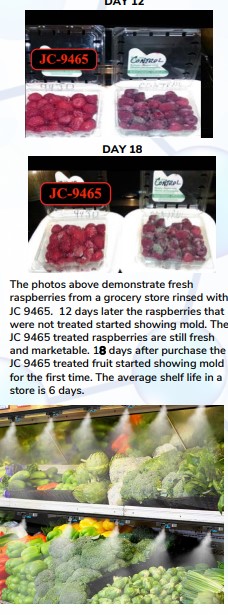
Controlled ripening and Improved shelf life up to 2X by controlling biofilm on the surface
JC-9465 is USDA Organically certified for use as a crop production aid, disease and pest control aid, fertilizer and soil amendment aid, livestock production aid and processing, and handing aid for facilities requiring organic certification.
We eliminate biofilm from all surfaces in contact with water such as drip irrigation systems, reducing clogging, improving efficiency and lowering costly maintenance expenditures.
We use ROS to enhance the natural immune defense systems of plants and trees against pathogens, using less energy for survival, which allows them to use more for growth.
JC-9465 provides a residual protection that will continue to work and prevent bacterial growth in stagnant water.
JC-9465 can reduce issues associated with spoilage, cross contamination and pesticides.
Applications extend to sterilization and food preservation in post-harvest wash, packaging, storage and distribution, enhancing the supply chain performance.
US EPA Registered, NSF Certified and USDA Organic Certified.
HOW DOES JC-9465 WORK? “An ecological and sustainable form of Liquid Ozone”
Mineral oxychloride generates a high concentration of hydroxyl radical ions and other oxygen species that kill microorganisms in less than 10 seconds.
It oxidizes and penetrates the cell membranes of microorganisms using available electrons, driving more energy and nutrients though the plants/trees xylem and phloem.
Enhances the mobility of nutrients from the roots system to the leaves.
Molecules are purposely designed to be weakly bound together such that when it comes in contact with inorganics, microorganisms and organic matter, it readily gives off oxygen atoms that aggressively oxidize all contaminants.
JC-9465 is catalyzed by the transition minerals’ internal vibrational energy, which activates the reactive oxygen species. In this very energy-efficient process, all of the generated power is created and used at the atomic level.
Hydroxyl radicals enhance the mineral oxychloride reagents’ electrochemical potential, and it is the strongest oxidant in the water treatment industry, estimated to be in the range of 2.8 mV to 2.90 mV.
The mineral oxychloride reagent is not linear in its pathway to oxidation. It is a continuous chain reaction that is autocatalyzed by the inherent catalysts. It will stay active and protect the water, and its residual oxidative energy will not diminish until a new contaminant is introduced into the system.
JC-9465 controls biofilm by diffusion and penetration into the biofilm, damaging the cell membrane and its DNA. The reactivity or ROS in contact with organics causes an etching effect which creates a chemical breakdown of the EPS matrix (Extracellular Polymeric Substances), making it unable to hold the content of the bacteria.
ORP refers to Oxidation Reduction Potential”as measured in millivolts, which can be easily monitored from a sample of water.
The following technologies have NOT been successful in removing biofilm: disinfection, flocculation, chlorination, coagulation, sedimentation, filtration, refining, UV irradiation and ozonation, irradiation with UV, ozonation and chlorination. They lack the ability to distribute sufficient oxidation energy (ORP) to control bacterial EPS and the AOC (Assimilable organic carbon) that feeds microbial colonies.
Simple low-cost application – Only requires a liquid dosing system with automatic ORP controller.
THE POWER OF JC-9465 Chemical Engineering for the 21st Century
JC-9465 is a new advanced oxidative technology for generating reactive oxygen species (ROS) that simulate an advance oxidation process (AOP) as a tool to measure disinfection effectiveness in water treatment solutions.
The World Health Organization recommends that water is safe at an ORP greater than +750 mV.
ORP is important in disinfection because it measures the energy available for disinfection, contact time required for disinfection and optimizes the treatment based on system demand.
JC-9465 is a low-cost producer of hydroxyl radical ions and is a very strong oxidant with a high concentration of oxidative energy; and it has a higher electronic footprint (Ev) vs a chemical footprint than other oxidants.
JC-9465 produces the same results as Ozone, but at a higher Ev. It generates a larger variety of highly reactive oxygen species in oxidative equilibrium, perpetually catalyzed by the vibrational energy of the electrolytes in solution.
JC-9465’s electrochemical potential is 2.8-2.9 Ev. Ozone is 2.07 Ev and Sodium Hypochlorite is 0.94 Ev
Ozone is a well-known disinfectant for treating water. It can achieve a 6-log reduction in less than 10 seconds
JC 9465 is a new mineral oxychloride chemistry that is NSF approved, EPA registered as a biocide and USDA Organic Registered for use in applications requiring organic products only. In a study conducted by Special Pathogen Lab (PA) using JC 9465, they confirmed that controlling the ORP range above +700 mV effectively achieved a 6-log reduction of pathogens in less than 10 seconds. JC 9465 is a mineral oxychloride chemistry that mimics nature’s ability to generate a very high concentration of ROS in the form of hydroxyl radical ions and singlet oxygen ions. Please contact us for more detailed information on this technology and how it can help you achieve better safety and profits in your agricultural application.
Contact Us: Jenfitch, Inc. 712 Bancroft Road Suite #805 Walnut Creek, CA 94598 Website: https://jenfitch.com Phone: 1-925-289-3559 Fax: 1-925-289-0094 Email: Sales@Jenfitch.com
APPLICATIONS IN AGRICLUTURE :
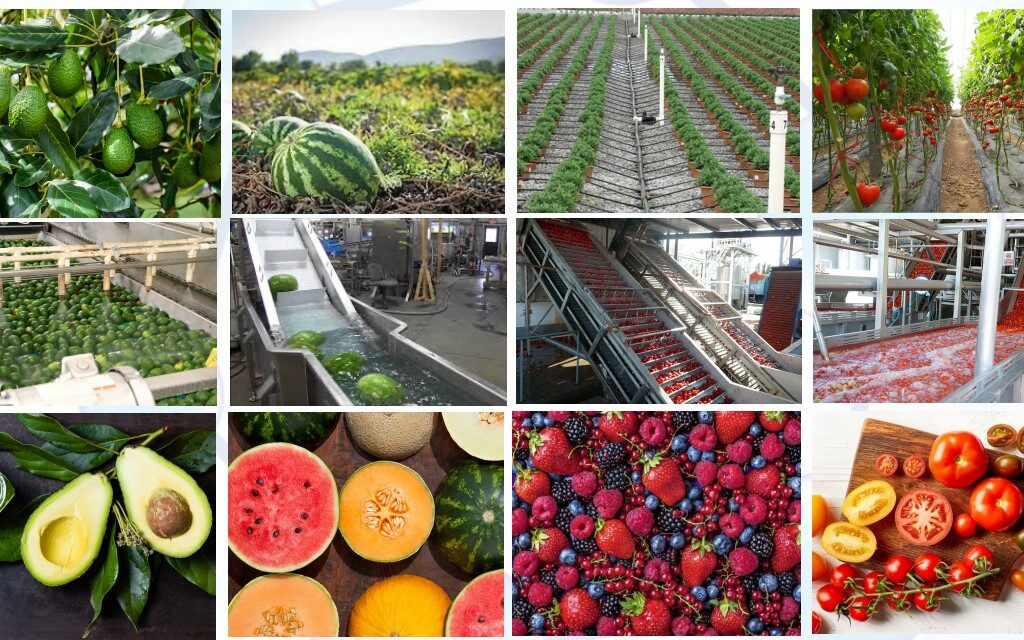
JC-9465 is a transformative and revolutionary chemistry that has been successfully integrated into the operations of many agricultural applications worldwide. The scope of applications extends from preharvest (such as fogging and irrigation), to sterilization and food preservation in post-harvest applications such as washing, packaging, storage, and distribution. The following summarized excerpts are a few examples of field studies, client reports, and internal/external independent research studies. Please contact us for more detailed information on how JC-9465 can improve safety and profits in your business.
JC-9465 Mineral Oxychloride rescues Citrus market in Florida Working hand in hand with GreenAgri Solutions LLC, Jenfitch developed a treatment plan for an infectious bacterium called huanglongbing (HLB) commonly known as “citrus greening”. The leaves of newly affected citrus trees had developed blotchy mottle appearance and the fruit was of no value as it had limited use in juicing operation. At the time, there had not been a commercially available solution to this problem, except removing trees and re-planting several seasons later. The leaves of one test tree were sprayed and the roots watered with a JC-9465 solution that generated an oxidized water having an ORP (oxidation-reduction potential) greater than +700 mV. Infected leaves were removed and after a week they started seeing a new “flush” of leaves on the infected tree. The test was expanded to 20 trees. After 60 days of irrigating and spraying the trees with a +700 mV solution of the mineral oxychloride solution, all the trees in the test started to develop marketable fruit.
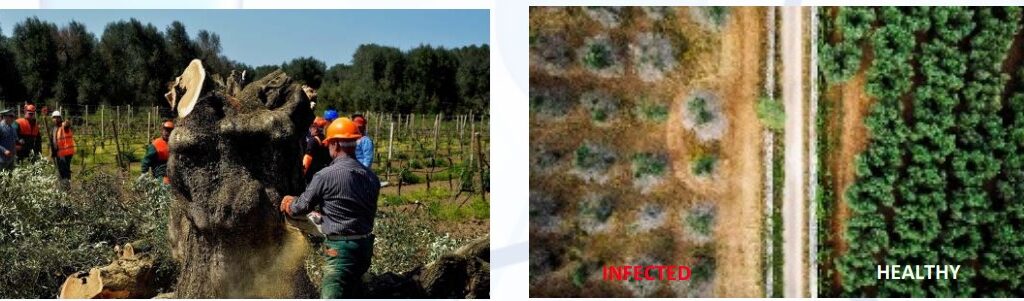
ROS generated by JC-9465 is effective against Xylella fastidiosa Jenfitch was approached by an Olive grower in Europe as they had been struggling with a deadly tree-killing bacterium, Xylella fastidiosa, which has killed millions of olive trees in Southern Europe. Maria Saponari, a plant virologist at the Institute for “Sustainable Plant Protection” in Italy compares Xyelella to the coronavirus. Just as COVID-19 keeps oxygen from reaching our vital organs, she says, Xyelella attacks and clogs the xylem tubes of olive trees by forming a biofilm, so they can’t absorb water. Xylella spreads quickly and once the bacteria infiltrate the host, there is no cure for it, until now.
As per EU regulation, Xyelella Fastidiosa is considered a quarantine pest, which when detected must be contained or eradicated. A test solution of JC-9465 was prepared and applied to a small test site implemented in fogging and root irrigation, effectively destroying and controlling the biofilm that blocks the movement of water and nutrients in the host. By generating hydroxyl radical ions, JC-9465 breaks down the extra-polymeric substance (EPS) which forms a sticky substance that acts as a protective film around bacteria. Once the EPS is destroyed, other oxidative species quickly attacks the DNA of the bacteria’s nucleus to inactivated and prevent reproduction or mutation. Albeit early, the results reported have been extremely positive with leaves turning green, branches and twigs showing signs of recovery and returning to normal production with good numbers. The tests have been expanded to a larger sites and preliminary PCR results are very promising.
M&R Farms uses JC-9465 as a primary solution for their packing facility
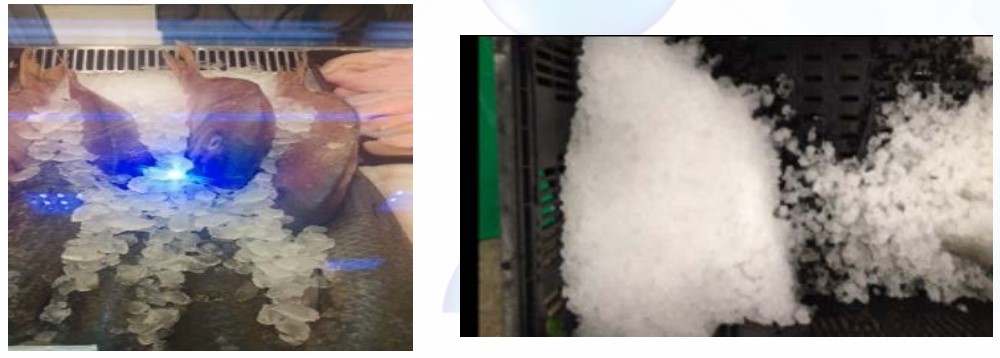
M&R Farms in Birmingham, Minnesota, uses JC-9465 as a primary solution for their packing facility. They have also incorporated JC-9465 into their ice-making machines, improving product shelf-life as well as eliminating biofilm. By injecting JC-9465 into their water lines supplying the ice machines, the ORP readings went up from 451 to 632. Once it had been converted to ice, the readings had increased to 783 ORP, destroying virtually all pathogens, such as Listeria and Salmonella. Furthermore, when the ice melted, it continued to have the disinfecting power of JC-9465, as measured by ORP. Since incorporating JC-9465, their ice is much flakier, the machines are running cleaner and producing more ice daily. By removing pathogens and controlling biofilm with JC-9465, M&R Farms was able to improve safety and extendthe shipping and shelf life of produce, seafood, and meat products.
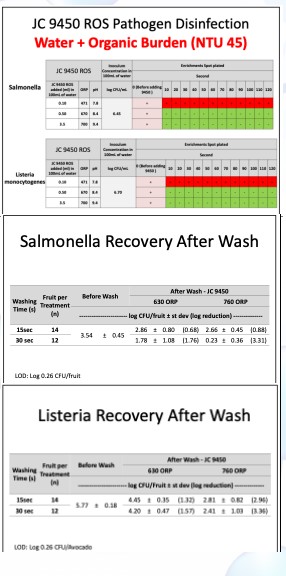
Independent studies at U.C. Davis Post-Harvest Department, confirms that JC-9465 effectively raises the ORP to +700 mV inactivating E.Coli, Salmonella, and Listeria in less than 10 seconds and improving shelf life up to 2X. JC-9465 was tested and evaluated by one of the leading and well-known plant pathologists in the US for safety in controlling pathogens such as E.Coli, Salmonella and Listeria, as well as its effectiveness in controlling biofilm, that many food researchers believe is the source of contamination and spoilage. Theresults are shown below :
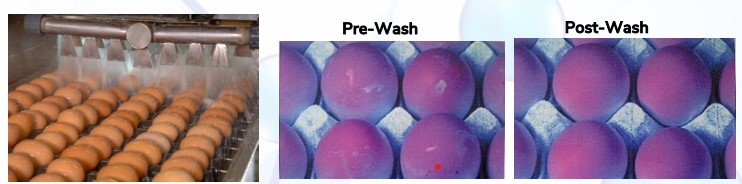
A poultry farmer in Montana contacted Jenfitch after reviewing the studies highlighting the effectiveness of JC-9465 in eliminating Salmonella, Listeria monocytogenes and other pathogens, as well as the effectiveness and lower cost of JC-9465 as compared to Sodium Hypochlorite, UV and Ozone. Their main concern was decreasing the bacterial load on the shell surface of eggs and preventing the infection of eggs through horizontal transmission, while still maintaining their USDA “Certified Organic” assurance. Application of JC-9465 in their egg washing operation produced cleaner eggs, with less breakage and eliminated the microorganisms with a lower contact time than the previous sanitizing compounds. Furthermore, they were able to adjust the temperature of the water and still produce a microbiologically safe egg, while saving energy costs associated with water heating. Recent feedback has shown that they were able to improve cost-effectiveness in the pasteurization process as well as increase sales of eggs sold to local hatcheries with better hatching results and healthier chicks
Walking Strong: A Canadian dairy farmer uses JC-9465 as a primary preventative treatment in their hoof care protocol.
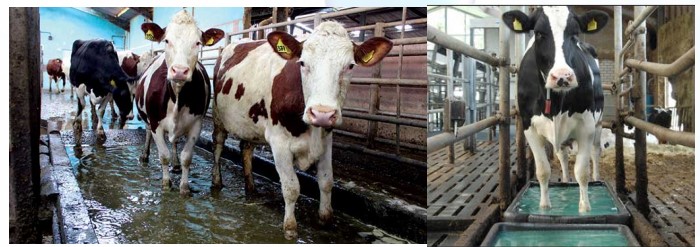
Lameness and reduced mobility in dairy cows, caused by foot rot, heel erosions, sole ulcers and digital dermatitis have led to body weight loss, decreased milk production, lower longevity and reproductive efficiency. Concerned with the toxicity of formalin and copper sulfate, as well as the high cost of antibiotics lead to the search for an alternative treatment. A “pre-footbath” area was used to minimize organic matter. A trial with a 1 gallon of JC-9465 solution per 50 gallons of water was applied to the 10” inch high footbath area along the exit lanes of the milking parlor, where the cattle passed several times a day. A system was put in place to monitor the ORP of the water as measured in mV, in effect to monitor the oxidative power (energy available for disinfection) of the solution, as well as an aid to determine the frequency of solution replenishment. Results have shown a marked improvement in hygiene conditions of hooves, lower bacterial count and less reported cases of digital dermatitis. Visual inspections have shown to lower interdigital inflammation after a few passes through the foot bath.
The #1 Ranked Plant Sciences Reseach facility in the US evaluates JC-9465 as an antimicrobial process aid for produce wash – Avocados.
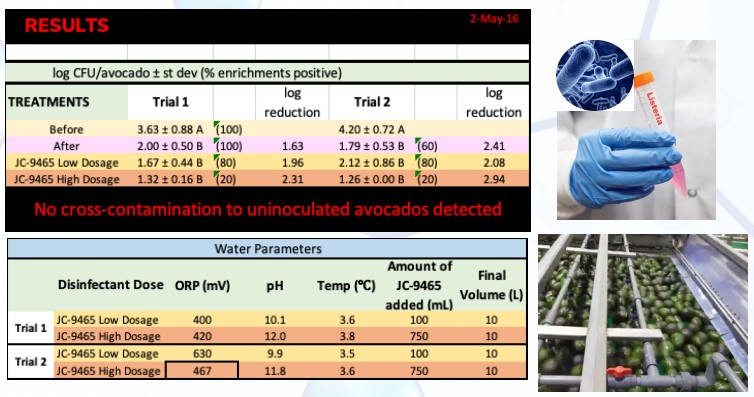
A cocktail of Listeria Monocytogenes (PTVS 334 +335) was prepared and avocados inoculated. Trial #1 : 100 Ul of Log-7 CFU/mL (Anticipated log4/fruit after drying. Trial #2 : 100 Ul of Log-8 CFU/mL (Anticipated log 5/fruit after drying) Once inoculated, avocados were allowed to dry at room temperature for 4 hours while covered with cheese cloth before being kept at 10 °C for 3 days. For each trial, 15 uninoculated avocados were submerged with 5 inoculated avocados in a mixture of 10L of water and JC-9465 at 4 °C for 30 seconds with mild agitation. This was done twice per trial with different disinfectant doses. A control wash was performed for each treatment by submerging 5 inoculated avocados in 10L of water at 4 °C with mild agitation, and removed after 30 seconds. (This served as a control for water-only detachment of rind contamination). All avocados were massaged vigorously by hand with 20ml of potassium phosphate buffer + Tween for 1 min and fruit discarded. For mixed avocados (uninoculated and inoculated) , 20 ml(± fruit-adhering liquid) wash-buffer was enriched with 20 ml of 2X lEB followed by 48 hr incubation at 37°C. Following incubation, 50 µI of each sample bag was spot platted on CH ROM agar Listeria +Rif then incubated for 48 hr at 37°C For inoculated avocados, 2 ml of wash-buffer was extracted for quantification and the remaining 18ml of 2X lEB was added to each sample bag. Enrichment procedure as previously described with the mixed avocados. Quantification was done by concentrating, direct and dilution plating on Chromagar Listeria+ Rif then incubation for 48 hr at 37°C. Sodium hypochlorite was added to the wash water from inoculated fruit to obtain a final solution of 20-40PPM of free chlorine at pH 7.0 10 ml of water was sampled at 0, 5, 15, 30, 45, 60, and 300 seconds and placed in Whirl-pak bags withholding neutralizing buffer until each time-point extraction. Water samples taken from the control wash treatment, were added to a bag along with 10ml of 2X LEB. followed by 48 hr incubation at 37°C. Following incubation, 50 µI of each bag was spot platted on CHROMagar Listeria +Rif then incubated for 48 hr at 29 C to increase sub-lethal injury resuscitation.
A Research Study conducted by Frontiers in Microbiology Research – Evaluation of JC-9465 and Neutral Electrolyzed Water in Controlling Listeria monocytogenes on Fresh Apples and Preventing Cross-Contamination
Recent multistate outbreaks and recalls of fresh apples due to Listeria monocytogenes contamination have increased consumer concerns regarding fresh and processed apple safety. This study aimed to evaluate the antimicrobial efficacy of two sanitizers, mineral oxychloride (JC-9465) and neutral electrolyzed water (NEW), for inactivation of L. monocytogenes on fresh apples. A 2-min treatment of 0.125% (v/v) JC-9465 with 100 ppm free available chlorine (FAC) or NEW with 110 ppm FAC caused 0.9-1.2 log10 CFU apple reduction of L. monocytogenes on both Granny Smith and Fuji apples 24 h post-inoculation. IIncreasing JC-9465 concentration to 0.25 and 0.50% significantly improved its bactericidal effect and reduced L. monocytogenes on Granny Smith apples by ~2.0 and 3.8 log10 CFU/ apple, respectively, after a contact time of 2 min. At a shorter contact time of 30 sec, the inactivation efficacy of chlorine and 0.25–0.50% JC-9465 against L. monocytogenes on apples was significantly reduced compared with the respective 2-min wash. Furthermore, no L. monocytogenes was recovered in deionized water prepared antimicrobial wash solution or on non-inoculated apples post-NEW with 110 ppm FAC or 0.125 – 0.5% JC-9465 washes, indicating their ability to prevent cross-contamination. In addition, a 2-min exposure to NEW with 110 ppm FAC and 0.50% JC-9465 reduced apple native microbiota including total plate count by 0.14 and 0.65 log10 CFU/apple, respectively, and yeast and mold counts by 0.55 and 1.63 log10 CFU/apple, respectively. In summary, L. monocytogenes attached on apples was difficult to eliminate. JC-9465 and NEW demonstrated a dose- dependent reduction in L. monocytogenes on apples and successfully prevented cross-contamination, indicating their application potential in post-harvest washes of apples.
A rice farmer from South East Asia tests JC-9465 to control Bakanae disease, caused by Fusarium fujikuroi, a seed-borne fungus.
Suffering from approximately 30% loss in yield, a paddy farmer contacted Jenfitch to test JC-9465 as an alternative treatment for chemical seed dressing. Existing treatments such as thermo-therapy and aqueus suspension containing fungicides have produced mixed results. Thermal effect do not reach the pericarp of severely infected seeds, and fungicide treatments do not work well for destroying the spores of this fungal pathogen. Furthermore some pathogens have showed resistance to fungicides. Although Bakanae is a seed-borne fungus, it may occur when the pathogen is present in plant material or soil. Infected seeds/plants result in secondary infections, which is spread through wind and water. The flooding of rice fields also decreases the soil reduction-oxidation (redox) value which intensifies emissions of greenhouse gasses and increases the plant mobility of Arsenic (As) to rice. Increased exposure to toxic inorganic arsenic iAs is a public health risk, which is particularly concerning regarding the iAs content of rice-based baby foods. (Talk to Charles about this and JC-9465).
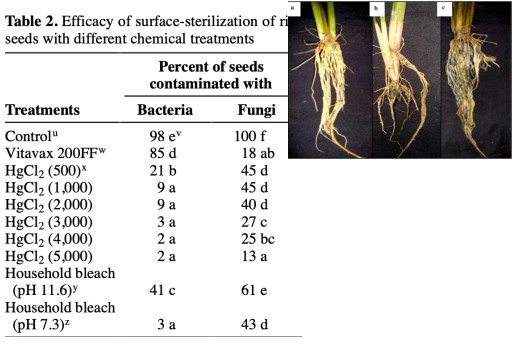
In a study conducted by the Department of Plant Pathology and Crop Physiology, Louisiana State University Agricultural Center, Baton Rouge, concluded that “Bacteria were completely eliminated from rice seeds following immersion in a Sodium Hypochlorite solution adjusted to pH 7.0 in 0.5 M potassium phosphate, while fungi were eliminated at pH 5.0 and below. Sodium hypochlorite stimulated rice seedling growth directly, as opposed to an indirect effect related to elimination of microbial contaminants or alleviation of dormancy”. Although JC-9465 had not been tested directly in rice farming prior to this, our proprietary mineral oxychloride has a higher electronic footprint (Ev) vs a chemical footprint than other oxidants. The test results through customer feedback prove that a higher concentration of oxidative energy produced by JC-9465 was more effective than their existing treatments. JC-9465 effectively suppressed horizontal transmission of the pathogen between seedlings. Visible Bakanae symptoms, of altered morphology improved significantly and loss in yields have been reduced to below 10%. Tests have been expanded to incorporate spraying of the rice flowers and treatment of wastewater for paddy field flooding.