

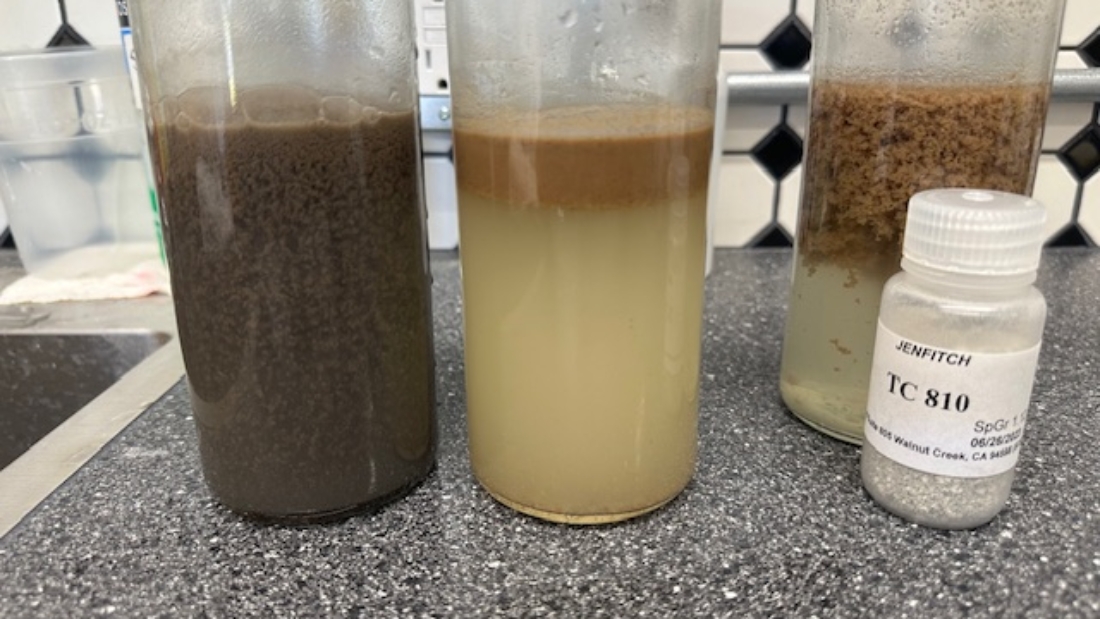
IMG_0864

Eliminating Filamentous Particle with JC-9465

Sludge bulking remains one of the most persistent challenges in small and mid-sized wastewater treatment facilities, particularly during seasonal shifts that affect the food-to-microorganism (F/M) ratio, nitrogen-to-phosphorus (N/P) ratio, and temperature. These operational changes often trigger the overgrowth of filamentous organisms or biofilms, leading to poor sludge settling, high sludge volume index (SVI), and inefficiencies in the secondary clarifier.

In recent years, a promising solution has emerged: reactive oxygen species (ROS), especially hydroxyl radical ions, which offer a more targeted and effective approach to breaking down biofilm structures. One ROS-based treatment, JC-9465, has demonstrated remarkable success across several small-scale treatment facilities—including a notable case in Southern California.

Field Testing and Findings

Over the past six years, JC-9465 has been evaluated in small wastewater treatment systems (less than 2 MGD) under varying seasonal and operational conditions. Fluctuations in F/M ratios, nutrient imbalances, and temperature swings consistently resulted in sludge bulking and poor settling—regardless of geographic location or process design. It was found that the underlying problem was eventually traced back to microbial imbalances and the presence of biofilms.

At one test site, dosing 25–30 mg/L of JC-9465 into the Return Activated Sludge (RAS) line yielded dramatic improvements. The treatment broke down the extra polymeric substances (EPS) in the biofilm matrix and effectively regulated microbial populations—without disrupting the biological process. Within 7–10 days, settling performance normalized, and the system recovered without resorting to super-chlorination or reseeding.

It’s important to note that traditional bulking control often focuses on removing filamentous bacteria. However, in many of these studies, the presence of filamentous organisms was either minor or absent altogether. Instead, dense biofilms, composed of EPS, were found to be the primary culprit. These EPS-laden structures hinder proper floc formation and settling by creating buoyant microenvironments that trap solids. This insight marked a shift in treatment strategy—from targeting specific microorganisms to disrupting the physical matrix of the biofilm itself.
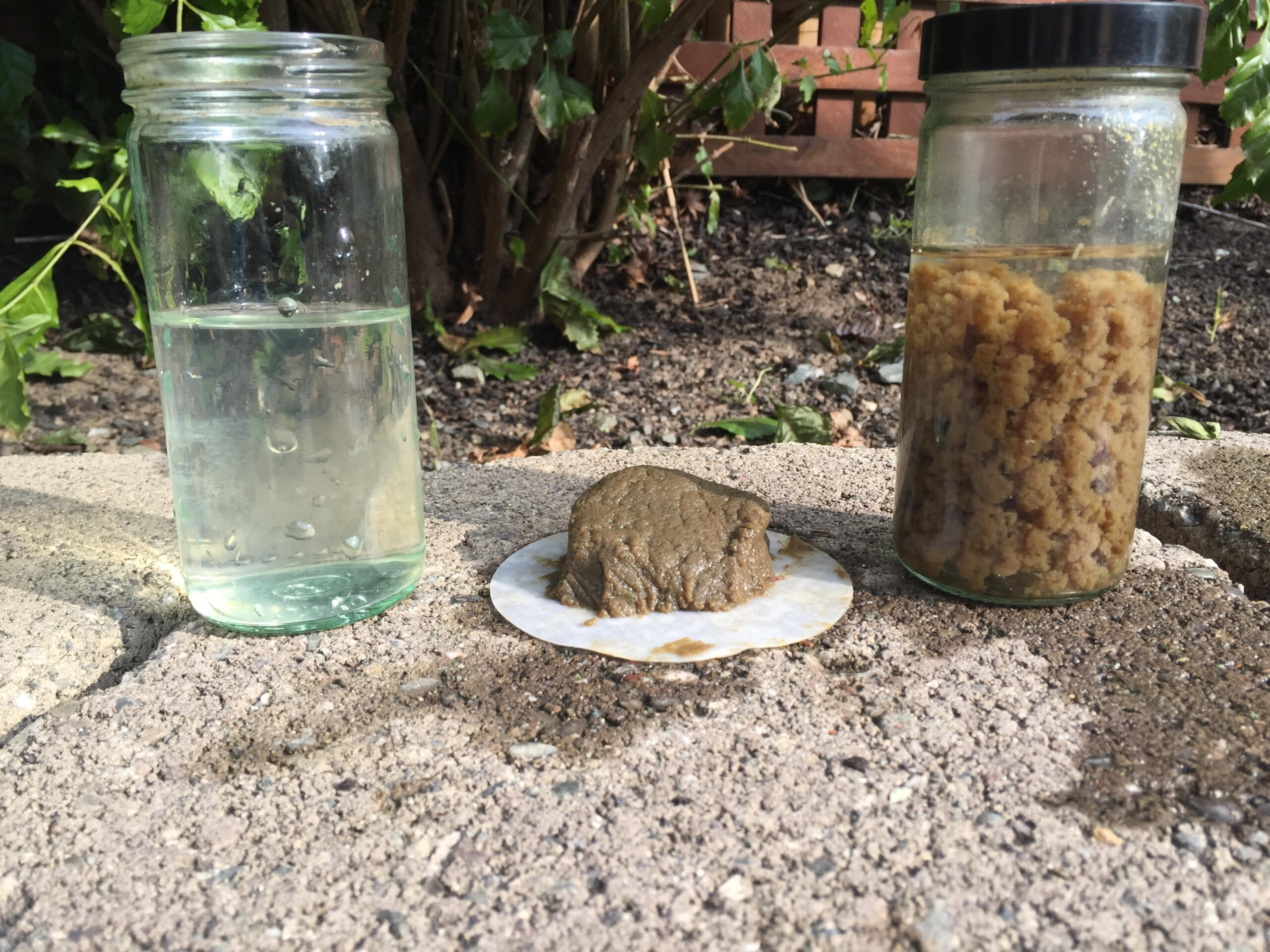
Role of Biofilm and EPS

Microscopic monitoring during the trials revealed two dominant types of microorganisms contributing to sludge bulking: filamentous bacteria and non-filamentous floc-forming microbes. However, what proved most consistent and problematic was not the specific type of organism—but the presence of EPS-rich biofilms.

EPS (Extra Polymeric Substances) are the “glue” that holds biofilms together, composed of complex macromolecules such as polysaccharides, proteins, lipids, and nucleic acids. These substances create protective channels and structures that resist mechanical disruption and chemical penetration. Within this matrix, even healthy floc can be suspended rather than settling, leading to chronic bulking issues. Traditional flocculants and oxidants often fail to fully penetrate this structure, resulting in only short-term fixes or no improvement at all.

This is where hydroxyl radicals, a type of ROS generated by JC-9465, provide a unique advantage. Their high oxidative potential (2.7 eV) allows them to rapidly degrade the molecular bonds in EPS, breaking down the structure from the inside out. This not only eliminates the biofilm but also restores the physical conditions necessary for proper sludge settling.

Case Study: Rosamond CSD Wastewater Treatment Plant

The Rosamond Community Services District, a 2 MGD facility in Southern California, faced severe bulking at the end of summer. Their aerobic digester system—with two 12-foot-deep clarifiers—exhibited a sludge blanket depth of 8–10 feet, indicating major settling issues and threatening compliance limits.

Initial Responses:

  • Increased wasting provided temporary relief but was unsustainable.
  • Bench testing of cationic flocculants showed increased floc size, but settling remained poor.
  • Microscopic analysis revealed no filamentous organisms, only free-swimming ciliates and lagellates.

This scenario reflects a growing trend in wastewater treatment: poor settling even in the absence of filamentous bacteria. Many operators are now discovering that sludge bulking is often driven by organic interference, such as biofilm accumulation and high EPS content—not necessarily microbial type. Unfortunately, traditional detection methods can miss these structural issues, leading to ineffective treatments or misdiagnosed root causes.

Intervention with JC-9465:

After expert consultation, the plant tested JC-9465 at a dosage of 25 mg/L, applied to the RAS line. The impact was swift:

  • Within 48 hours, the sludge blanket depth fell to 4–5 feet.
  • After 4 days, JC-9465 treatment was stopped.
  • The wasting rate was reduced, and operations returned to baseline with no further complications.

Benefits Observed:

  • Reduction in wasting rate and overtime associated with plant conditions
  • Did not have to take the plant off-line
  • Did not require super-chlorination
  • Did not require seeding to repopulate the activated sludge population

How JC-9465 Works

JC-9465 is a mineral oxychloride solution that produces large amounts of hydroxyl radical ions, among the most powerful oxidants used in water treatment. These radicals break molecular bonds within EPS structures, degrading the polysaccharides, lipids, nucleic acids, and proteins that hold the biofilm together.

With an oxidation potential of 2.7 eV, hydroxyl radicals surpass both ozone (2.04 eV) and sodium hypochlorite (1.34 eV) in reactivity. This allows them to initiate fast and irreversible reactions with organic materials, turning complex EPS molecules into simple carbohydrates and dissolved solids. The result is a rapid collapse of biofilm integrity, restoring the natural settling ability of activated sludge.

Sludge bulking is not always the result of filamentous bacterial overgrowth. In many modern wastewater plants, biofilms and EPS accumulation are the hidden causes of poor sludge settling. Traditional treatments may provide temporary relief but often fail to address this core issue.

JC-9465, powered by reactive oxygen species, represents a next-generation solution. It provides fast, targeted action against biofilms without harming essential microbes or requiring aggressive interventions. For operators facing chronic bulking problems, JC-9465 offers an effective, reliable, and process-safe alternative to legacy methods.

If you would like to participate in our research study, please contact us at www.jenfitch.com or email charles@jenfitch.com to discuss the testing protocol and the technology.


jenfitch-inc-logo-300x137

Battling Powdery Mildew with Mineral Oxychloride Technology: A Sustainable Breakthrough in Vineyard Disease Management

In California’s sun-soaked vineyards, where the wine and table grape industries are cornerstones of the state’s agricultural economy, powdery mildew remains a relentless adversary. Caused by the fungal pathogen Erysiphe necator, powdery mildew is one of the most pervasive and damaging diseases in viticulture, affecting both the yield and the market quality of grapes.

Once established, powdery mildew spreads rapidly, producing a characteristic white, powdery coating across leaves, shoots, and fruit. Beyond its visual symptoms, the disease can severely compromise vine function—distorting leaves, scarring fruit, and reducing sugar accumulation, all of which pose significant threats to both growers and winemakers.

Conventional Control and Emerging Challenges

Traditionally, powdery mildew has been managed through a combination of cultural practices, resistant cultivars, and fungicide applications. Preventive fungicides such as sulfur and biologicals are commonly used as protectants, while eradicants—including horticultural oils and potassium bicarbonate—are employed when infections are already visible. However, repeated use of these chemicals raises concerns about environmental impact, pesticide residues, and, increasingly, pathogen resistance. With the pressure mounting to find sustainable, effective, and residue-free solutions, attention has turned to novel technologies that offer both performance and environmental compatibility.

Introducing Mineral Oxychloride (MOCl) Technology

A promising alternative is emerging in the form of JC 9465 Mineral Oxychloride Solution (MOCl), a proprietary advanced oxidation reagent developed for agricultural applications. MOCl functions through the generation of high levels of reactive oxygen species (ROS), which target and destroy microbial cells by oxidative stress rather than chemical toxicity.

In the summer of 2024, a field study was conducted on a commercial vineyard in Fresno County, California, specializing in Crimson Seedless grapes—a Vitis vinifera cultivar with a documented susceptibility to powdery mildew, particularly during the latter part of the growing season. The goal was to evaluate MOCl’s efficacy in managing powdery mildew in a real-world, production-scale environment.

JC 9465 MOCl solution is:

  • EPA-registered as a biocide.
  • NSF-certified for use in potable water systems.
  • Certified organic, and approved for applications in organic agriculture.
  • Classified as safe for human consumption, with no pesticide residue or withholding period.

Importantly, unlike conventional fungicides, microorganisms cannot develop resistance to oxidative stress, making MOCl a compelling option for integrated pest and disease management (IPDM) programs.

STUDY: Evaluation of Mineral Oxychlorides for Powdery Mildew Control in Grapes

Powdery Mildew (Erysiphe necator) is a prevalent fungal disease in grape production, significantly affecting yield and fruit quality. This study aimed to evaluate the performance of a mineral oxychloride-based formulation (MOCl) in controlling powdery mildew.

  • Study Location: Clovis, California
  • Crop: Grapes (Vitis sp., cv. Crimson)
  • Target Disease: Powdery Mildew (Erysiphe necator)
  • Study Duration: April 24 – October 4, 2024
  • Application Frequency: 7 applications from April to October 2024, approximately every 7–10 days
  • Application Method: Mist blower at 100 gal/acre at a dosage of 400 PPM
  • Experimental Setup: 4 treatments, 4 replications, 3 vines per plot
  • Assessment Parameters: Disease incidence on leaves and bunches, bunch rot at harvest, phytotoxicity

Observed Advantages of JC 9465 Mineral Oxychloride Agent

  1. Effective Disease Suppression

MOCl significantly reduced powdery mildew incidence and severity across all observation dates:

  • Leaf Infection Reduction:
    • From 58% (untreated) to 34% after 3 applications.
    • From 73% (untreated) to 38% after 4 applications.
  • Bunch Infection Suppression:
    • Reduced mildew severity from 49% (untreated) to 35% after 6 applications.
    • Reduced and maintained severity from 59% (untreated) to 30% one month after the last application.
  • This translates to approximately 50% reduction in disease pressure, confirming MOCl ability to effectively suppress powdery mildew in field conditions.
  1. Reduced Postharvest Bunch Rot
    At harvest, MOCl-treated plots showed a marked reduction in bunch rot:
  • Rot in untreated plots: 31.3%
  • Rot in JC 9465 plots: 16.3%

This represents a nearly 50% decrease in bunch rot, an important quality and shelf-life factor for fresh-market grapes.

  1. No Observed Phytotoxicity

Across all evaluation dates, JC 9465 exhibited zero phytotoxicity, even with repeated applications. This suggests excellent crop safety, allowing for its integration into intensive spray programs without risk of plant damage.

  1. Comparable Performance to Sulfur with Additional Benefits

On a side-by-side comparison with sulfur (Microthiol Disperss), JC 9465 MOCl delivered :

Similar disease suppression
Better performance under high disease pressure
Easier handling and potential for reduced sulfur-related vine stress

Conclusion
JC 9465 mineral oxychloride-based agent demonstrated reliable and consistent control of powdery mildew in grapevines. With its:

  • Proven efficacy against leaf and bunch infections
  • Substantial reduction in bunch rot
  • Zero phytotoxicity over a full season
  • Performance comparable to sulfur, with enhanced safety and handling

Mineral oxychloride solutions are a viable and valuable addition to integrated grape disease management programs. It is particularly suited for growers seeking an effective, non-phytotoxic alternative to sulfur or rotating fungicides to mitigate resistance development. JC 9465 MOCl technology offers a sustainable and scalable solution for vineyard disease management, particularly suited for organic operations or those seeking to reduce dependence on synthetic fungicides. Its mechanism of action—through oxidative degradation rather than toxicity—presents no risk of pathogen resistance development, a critical advantage as resistance to commonly used fungicides becomes increasingly problematic. As California grape growers continue to navigate climatic variability, regulatory pressure, and market demand for low-residue fruit, innovations like mineral oxychloride represent a timely and promising addition to the viticultural toolkit.

By Charles Jennings, Jenfitch Inc, Walnut Creek, CA

image

Goleta Water District ‐ Full Scale Plant Testing of Jenfitch JC9450

Executive Summary


The Goleta Water District (GWD) is currently in compliance with all State and Federal drinking water
quality standards, including the four-quarter Locational Running Annual Average (LRAA) total
trihalomethanes (TTHM) standard of 80 micrograms per liter (μg/L).

Water quality has been declining in Lake Cachuma, GWD’s surface water supply, as a result of drought
and wildfire impacts to its watershed. Increasing levels of organic matter are anticipated to exceed
GWD’s current treatment capabilities persist at high levels into the foreseeable future. Accordingly,
one of the District’s top priorities is to maintain water quality, specifically to upgrade treatment to
reduce organic matter and reduce the formation of THMs in the Corona Del Mar Water Treatment Plant
(CDMWTP) treated water and in the distribution system.

This proposed plan serves to notify the California State Water Resources Control Board Division of
Drinking Water of GWD’s intent to perform a full-scale plant test at CDMWTP of JC9450 as an alternative
to sodium hypochlorite, with the goal of reducing THM formation. Manufactured by Jenfitch, LLC,
JC9450 is a proprietary, NSF 61-approved water treatment chemical with properties similar to chlorine.
Jenfitch NSF-approved products have been used for a number of water quality improvements by other
water treatment plants, including Stenner Surface Water Treatment Plant (SSWTP) in San Luis Obispo,
California and the City of Martinez Water Treatment Plant in Martinez, California.

Jar testing of JC9450 was performed by GWD staff in October 2017 to simulate CDMWTP treatment
processes. GWD observed a 95% reduction of TTHM and a 21% reduction in the seven-day TTHM
formation level in samples that were treated with a low dose of JC9450 as an oxidizing agent in lieu of
sodium hypochlorite. Sodium hypochlorite was still used as the disinfectant.

Based on these promising results of the jar testing, GWD proposes a limited duration, low throughput,
full scale plant test of JC9450. In addition to being NSF 61 approved, the JC9450 chemical has been used
successfully at SSWTP and other plants, with one adverse impact reported: a turbidity increase at the
filters, which was overcome by renewing the adsorption capacity of the filters. GWD is heeding the
lesson of SSWTP’s experience by proposing to super-chlorinate the filters in advance of the CDMWTP
full-scale test.

A preliminary full scale plant test of up to two weeks’ duration is tentatively scheduled for January 2018.
The test will allow GWD to evaluate the efficacy of JC9450 to reduce THM levels and formation potential
and to monitor impacts to CDMWTP processes. During this test, GWD expects to operate CDMWTP at
approximately three million gallons per day (MGD) throughput. GWD also anticipates meeting the
balance of customer demand in the distribution system via groundwater production.

Full-scale plant testing will be conducted with extensive process monitoring, cooperation from the
chemical manufacturer, and routine plant sampling and monitoring by GWD Operators. If the initial twoweek test shows promising results and no adverse impacts, the District expects to prepare for an
additional full-scale testing of up to three months to allow for more comprehensive testing while
primarily on surface water. During this longer full-scale plant test, groundwater production may be suspended, and water quality changes will be monitored within CDMWTP and throughout the
distribution over a longer period to evaluate the suitability of JC9450 as a long-term treatment solution
for reducing THM formation.

To read the complete study, Click Here